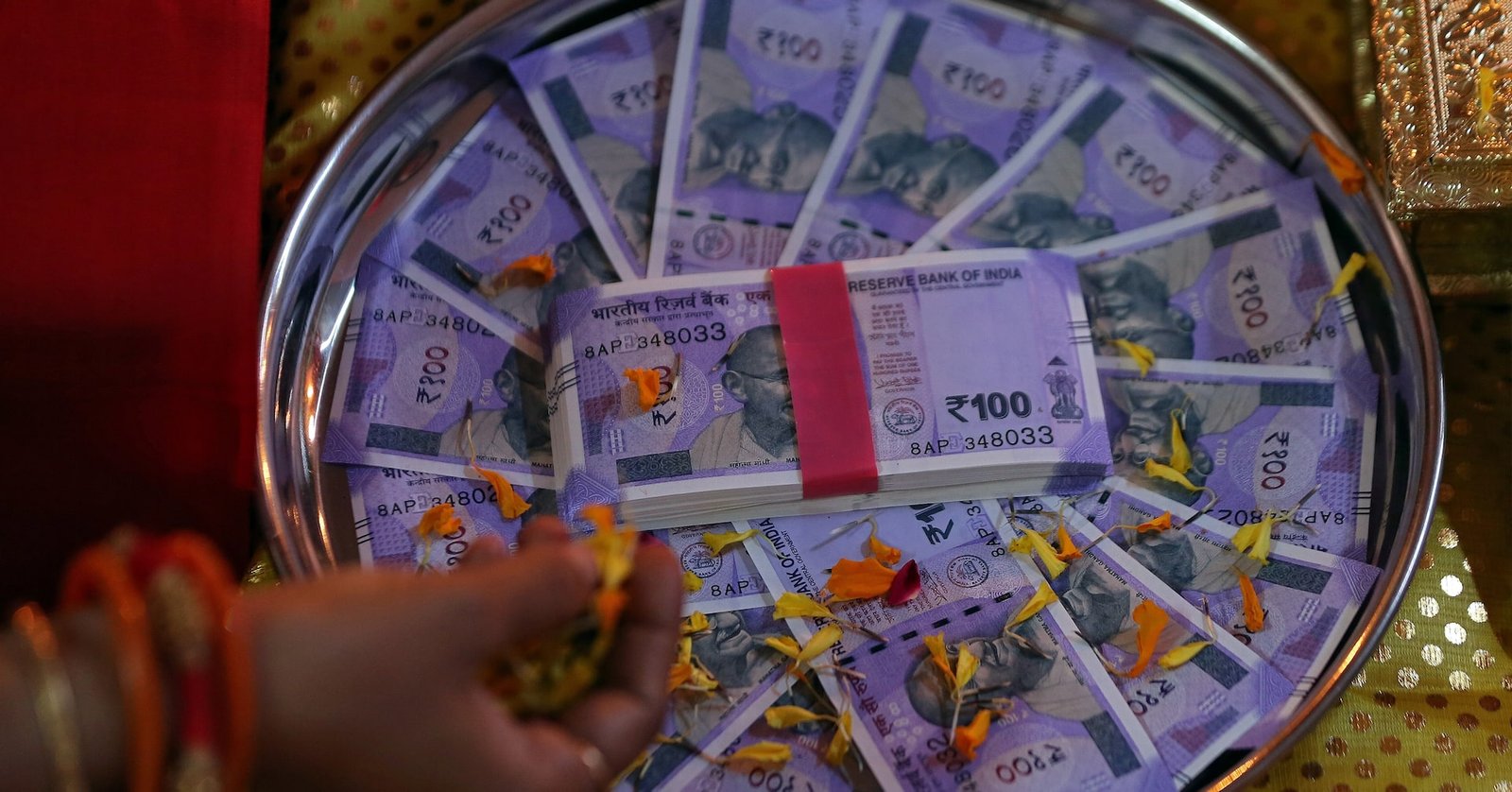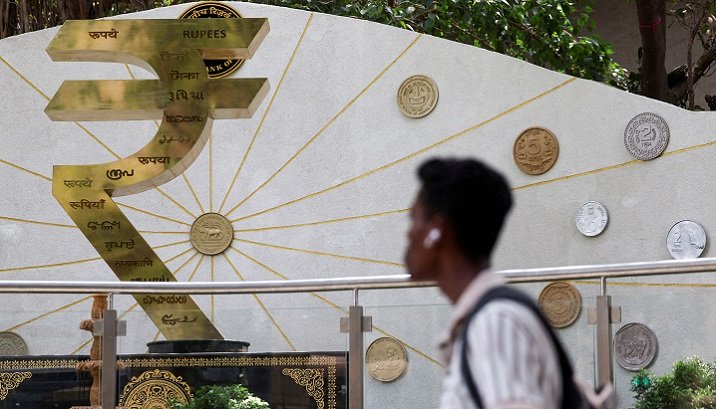

The Indian rupee logged its steepest one-day fall in a week on Monday, with wary investors bracing for the end of the U.S.-Iran ceasefire a day later amid rising tensions in the Middle East.
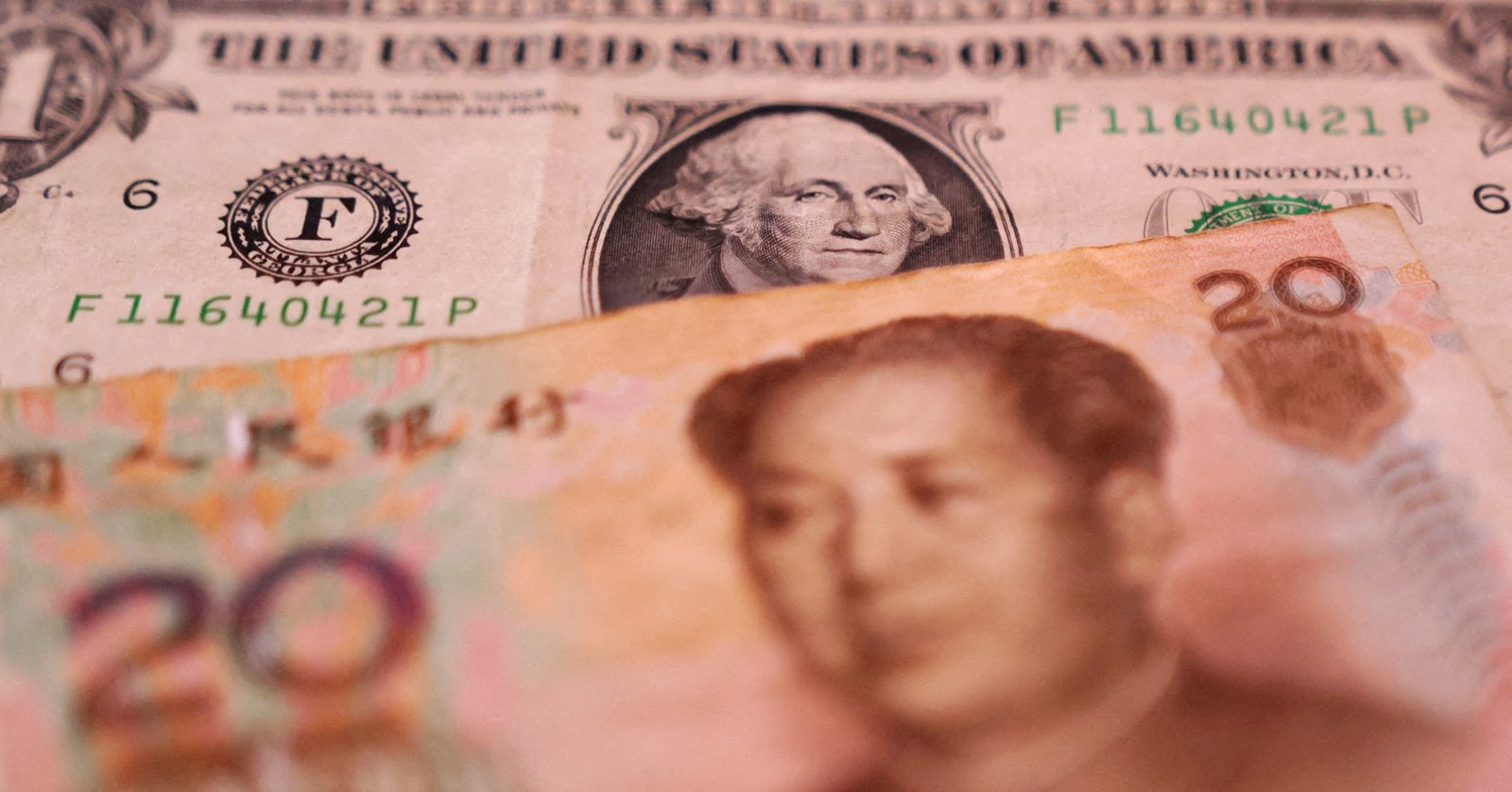
The rupee declined to 93.1275 against the dollar, 0.2% lower than the previous session, its steepest fall since April 13.
While the local currency had strengthened in early trading, it reversed course as dollar demand from state-run and foreign banks picked up, likely on behalf of merchant and foreign investor clients, traders said.
A large Indian conglomerate was also spotted bidding for dollars, a trader at a Mumbai-based bank said.
Elevated Brent crude oil prices also weighed, with futures last up more than 5%.
The ceasefire was in doubt after the U.S. seized an Iranian cargo ship and Tehran vowed retaliation.
The U.S. had hoped to start negotiations in Pakistan shortly before the two-week ceasefire expired, but Iran has refused to join for now.
“The stop-start nature of peace talks does focus attention on when energy flows can fully restart and whether high oil prices will start to seep into other areas of the economy,” analysts at ING said in a note.
For India, the uncertainty raises risks on both the current and capital account fronts by threatening to lift the country’s energy imports, and dampening foreign portfolio flows into local stocks and bonds.
Overseas investors have already net sold nearly $20 billion of assets over March and April. The outflows, alongside other factors, have pummelled the rupee and prompted the central bank to tap crisis-era tools to support the currency.
“We see INR as a good example of where central bank smoothing has limited the currency’s underperformance throughout the shock, but where the degree of smoothing seen so far would be difficult to sustain if the pressures from the shock extend further,” per analysts at Goldman Sachs.


Get daily update with our newsletter Subscribe Now !