


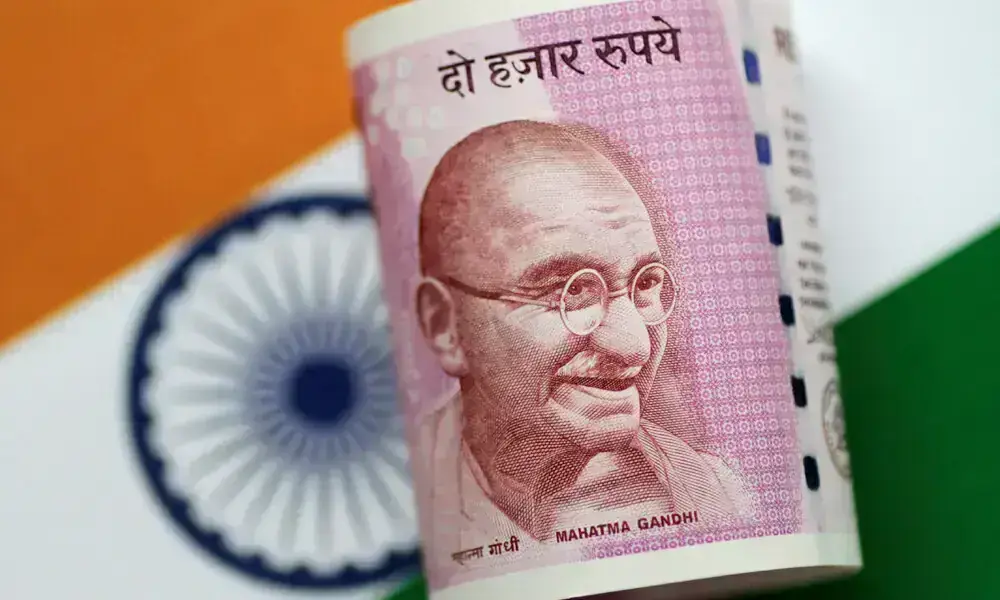
MUMBAI: The Indian rupee fell for the fourth consecutive session on Thursday, its longest losing streak since mid-January, as stalled peace talks between the U.S. and Iran lifted oil prices over $100 per barrel.
The Indian rupee closed at 94.1050 against the U.S. dollar, down 0.3% on the day. The currency has declined over 1% so far this the week, pressured by a near 15% rise in crude prices.
Elevated energy costs also weighed down stocks, with India’s benchmark Nifty 50 declining 0.8% on Thursday, tracking a similar decline in MSCI’s gauge of regional equities.
Iran has captured two container ships seeking to exit the Gulf via the Strait of Hormuz, tightening its grip on the crucial waterway, as investors assess whether a fragile ceasefire with the U.S. will hold.
“The reassuring element is that at least one party – the U.S. – is signalling a strong desire to resume negotiations swiftly. What is less reassuring is the lack of clarity around plans for reopening the Strait of Hormuz,” ING said in a note.
The Indian rupee has also been bogged down by a partial rollback of supportive measures, which traders said has sent mixed signals to market participants, despite lingering geopolitical worries.
Meanwhile, business survey data released on Thursday showed that growth in India’s private sector accelerated in April as manufacturing and services activity rebounded after cooling last month.
“Our sense is that it is a case of front-loading production,” Pranjul Bhandari, chief India economist at HSBC, said in a note. “Consumers may want to purchase before retail prices are raised significantly, leading to a rise in new orders.”
The firm reckons that if oil prices average about $80 per barrel in the fiscal year ending March 2027, the Reserve Bank of India is unlikely to hike rates, but a rise in average prices above $100 may put monetary tightening in play.


