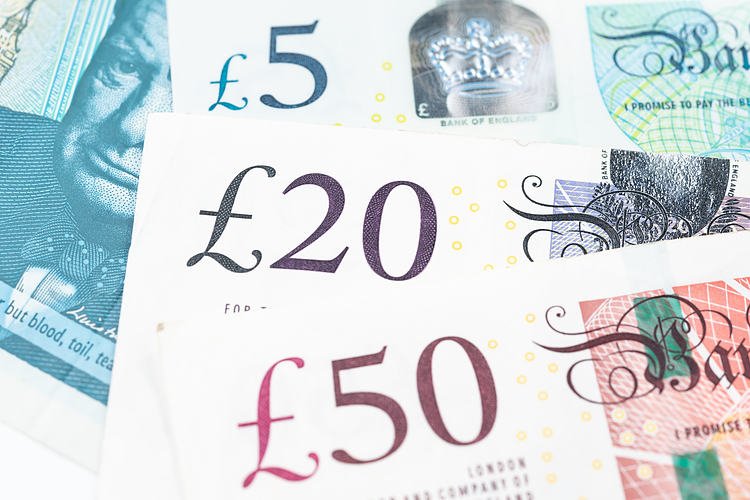

The Pound to Euro (GBP/EUR) exchange rate traded sideways on Tuesday as weaker-than-expected UK labour market data kept Sterling subdued, while the Euro also struggled for direction amid a firmer US Dollar.
At the time of writing, GBP/EUR was trading around €1.1520, broadly unchanged on the session.
Pound to Euro (GBP/EUR): 1.15493 (+0.08%)
Pound to Dollar (GBP/USD): 1.33947 (+0.01%)
Euro to Dollar (EUR/USD): 1.15979 (-0.07%)
DAILY RECAP:
The Pound (GBP) struggled to maintain Monday’s recovery through Tuesday’s session following the publication of disappointing UK labour market figures.
Data released by the Office for National Statistics showed the UK unemployment rate unexpectedly edged up from 4.9% to 5% in the three months to March, while wage growth also slowed.
The softer data reinforced concerns that the British labour market is beginning to cool as higher borrowing costs and elevated inflation continue to weigh on economic activity.
However, the report was not entirely negative for Sterling.
Employment growth surprised to the upside during the three months to March, with the number of employed people rising by 148,000.

Even so, markets focused on the weaker forward-looking elements of the release after the number of UK payrolled employees unexpectedly fell by 100,000 in April.
The mixed report tempered expectations that the Bank of England (BoE) will rush to tighten monetary policy further in the near term, leaving the Pound muted.
Meanwhile, the Euro (EUR) struggled to gain traction despite the softer UK data.
The single currency remained constrained by its negative correlation with the US Dollar, with the stronger ‘Greenback’ limiting EUR demand through Tuesday’s European session.
A lack of fresh Eurozone economic data also left the Euro without a strong domestic catalyst, contributing to the subdued trading conditions in GBP/EUR.
GBP/EUR Forecast: UK Inflation and German Producer Prices in Focus
Looking ahead, Wednesday’s UK inflation figures could provide the next major catalyst for Sterling movement.
Markets expect headline inflation to cool from 3.3% to 3% in April, while core inflation is forecast to ease from 3.1% to 2.7%.
A softer inflation print may reinforce expectations that the Bank of England could delay any future rate increases, potentially weighing on the Pound.
However, any upside surprise in inflation could quickly revive tightening expectations and lend Sterling support.
For the Euro, Germany’s latest producer price index may influence sentiment.
Economists expect factory gate inflation to accelerate in April, which could strengthen expectations for higher consumer inflation across the Eurozone and potentially underpin EUR exchange rates.