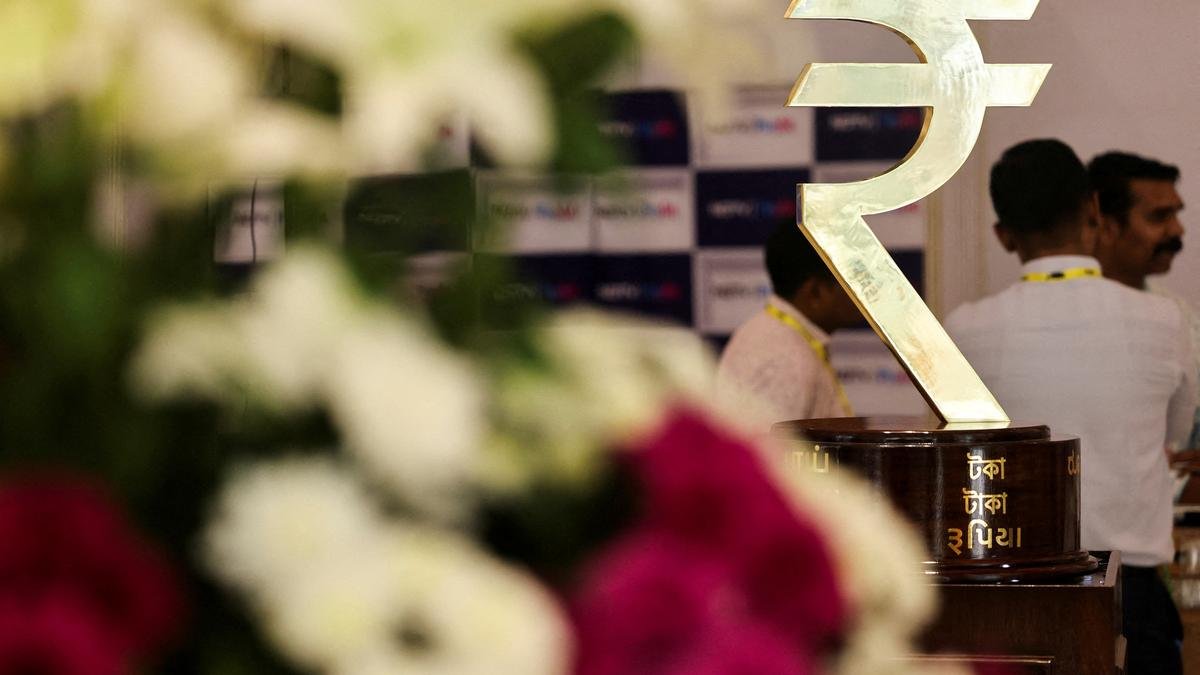
The Indian rupee touched a fresh all-time low of 96.91 against the US dollar in early trade on Wednesday, extending its losing streak to seven consecutive sessions as surging US Treasury yields, elevated crude oil prices, and unresolved US-Iran tensions continued to pressure the currency.
The rupee opened at 96.86, down 33 paise from the previous session’s close of 96.53, which was itself a record low. The currency has fallen 0.6 per cent this week, following a 1.6 per cent decline last week, and is down more than 7 per cent since the start of the year — making it the worst-performing emerging Asian currency.
The immediate trigger for Wednesday’s selloff was a sharp rise in US bond yields. The benchmark 10-year Treasury yield climbed above 4.5 per cent, rising more than 20 basis points over four sessions, while the 30-year yield crossed 5.1 per cent — its highest since 2007. The CME FedWatch tool now shows a 47 per cent probability of a US rate hike by December, up sharply from 14 per cent last week.
Brent crude hovered near $111 per barrel, with US Vice President JD Vance saying progress in US-Iran talks remained limited. India, which imports a large share of its crude requirements, faces rising dollar demand from oil marketing companies as prices stay elevated, widening the current account deficit.
Foreign investors have pulled over $22 billion from Indian stocks and bonds since the Iran conflict began in late February, compounding balance of payments pressures.
Ponmudi R, CEO of Enrich Money, said the pair is trading within the 96.80–96.90 zone, with immediate resistance near 97–97.20. A sustained break above that level could push the pair toward 97.50, with 98 a near-term possibility. He added that RBI intervention remains a key factor that could moderate near-term volatility.
Published on May 20, 2026