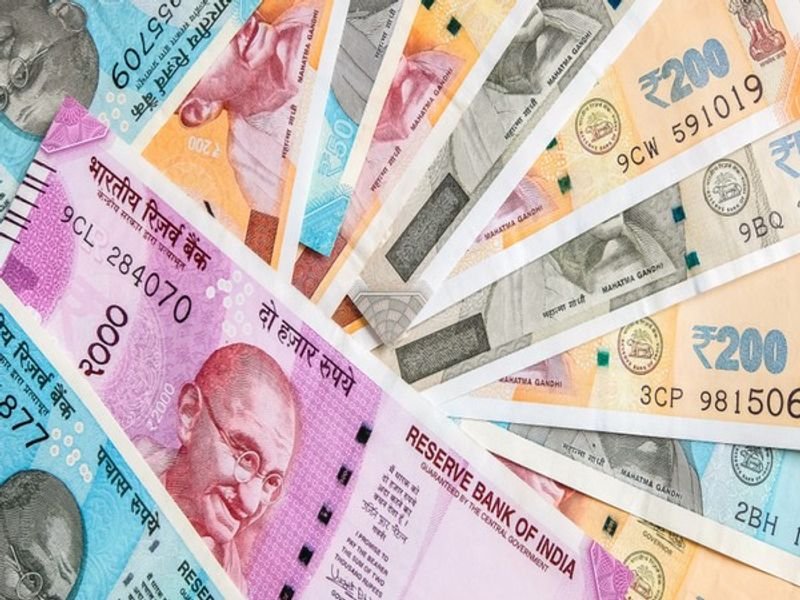
The Indian rupee strengthened to 95.16 per dollar in early trade, gaining nearly 0.7% from its previous close. The rupee is maintaining its gains after clocking the biggest single-day advance in six months following RBI measures aimed at curbing demand for the dollar.
RBI intervention in the market
According to money market traders, RBI also sold dollars directly in the market to support the currency. That intervention reinforced the effect of the announced curbs, as per analysts who spoke to Reuters.
Wider rules on hedging
The RBI has widened the scope of a cash deposit requirement for foreign exchange hedges, which was introduced recently. The requirement now covers all such transactions, including those banks use to hedge their own assets and liabilities, as per the Reuters report.
Tighter norms for derivatives
The central bank has also tightened rules for banks that offer non-deliverable foreign-exchange derivatives to clients. Lenders with units in India’s International Financial Services Centre, along with certain primary dealers, were earlier allowed to offer non-deliverable rupee Derivatives to non-residents for any purpose. They can now offer them only for hedging, the RBI said, as per the Reuters report.
Can the rupee hold gains
Market participants are not certain the measures will hold the gains. Anindya Banerjee, Head of Currency & Commodity Research, Kotak Neo pointed out, “This is effectively the third phase of the authorities’ response this year. The March–April measures constrained banks’ onshore positions and onshore–offshore arbitrage. The subsequent government and RBI initiatives sought to attract capital through tax relief and wider access for foreign investors in government securities, alongside FCNR(B) deposit and external borrowing incentives. The latest measures focus on tightening hedging discipline and relieving pressure on the regular dollar market.”
According to him, “The recent retreat in crude is supportive, but sustained rupee appreciation beyond 94 would require a more durable decline in oil prices and an improvement in capital flows. Elevated oil prices, high US yields and a strong dollar remain the key external headwinds. These measures can improve near-term market conditions and buy time; a lasting appreciation trend will depend on those macro pressures easing.”
With inputs from Reuters