


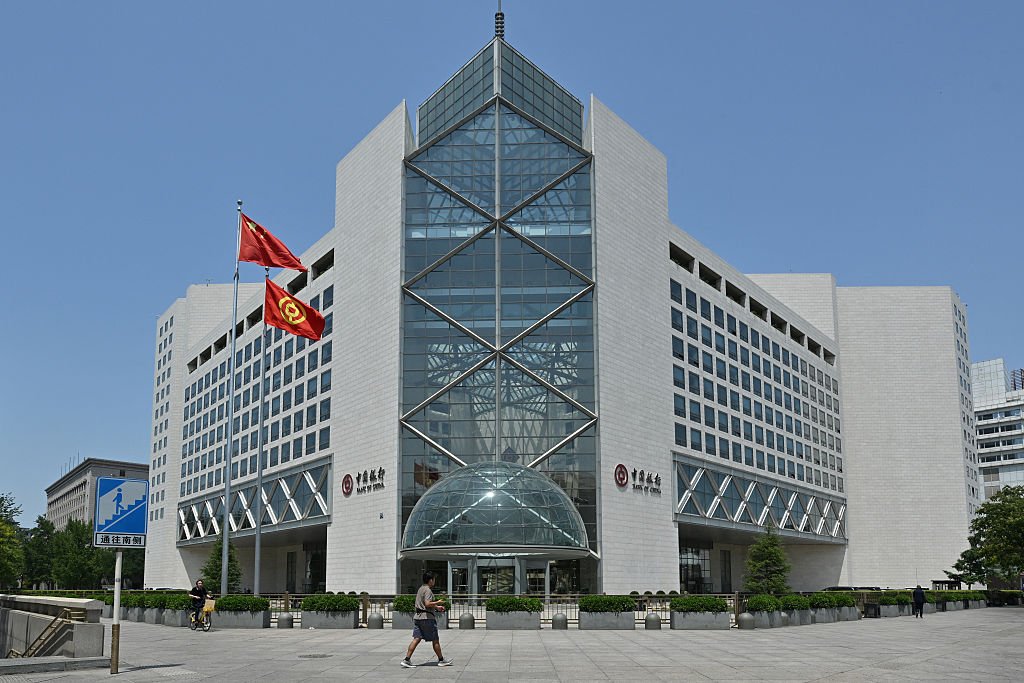
China’s central bank will raise the foreign exchange reserve requirement ratio for financial institutions from 4% to 6% starting November 15, introducing a new measure to manage foreign currency liquidity as the yuan continues to strengthen against the U.S. dollar.
The People’s Bank of China (PBOC) announced the two-percentage-point increase on Tuesday, November 3. The adjustment requires financial institutions to hold a larger proportion of their foreign currency deposits as reserves, reducing the amount of foreign currency available for lending and other activities in the domestic financial system.
The central bank said the decision was aimed at strengthening the management of foreign exchange liquidity in financial institutions. The announcement was reported by China’s State Council website.
The move comes after the yuan recorded a strong rally during 2026. The currency has gained more than 5% against the U.S. dollar this year, supported by China’s trade surplus, resilient exports and increased conversion of foreign currency earnings into yuan by domestic companies.
According to Reuters, the adjustment could withdraw an estimated $24 billion from the financial system, based on official foreign exchange deposit data. The move represents one of the clearest policy signals in recent months that Chinese authorities are seeking to moderate the pace of the yuan’s appreciation.
Following the announcement, the onshore yuan weakened by as much as 0.37% against the dollar to 6.6728 per dollar, its weakest level since October 23. The offshore yuan also declined.
The increase reverses part of the central bank’s previous policy direction. In September 2023, the PBOC lowered the foreign exchange reserve requirement ratio to release more foreign currency liquidity and help stabilize the yuan during a period of depreciation pressure.
The latest adjustment reflects a different market environment. China’s export performance and large trade surplus have generated substantial foreign currency inflows. At the same time, companies have converted more of their dollar earnings into yuan, increasing demand for the Chinese currency.
A stronger yuan can benefit Chinese importers by reducing the domestic cost of purchasing commodities, energy and equipment priced in foreign currencies. It can also make overseas travel and international purchases less expensive for Chinese consumers. However, rapid appreciation may reduce the competitiveness of exporters by making Chinese goods more expensive for foreign buyers when priced in dollars or other currencies.
This creates a policy balancing act for Beijing. Authorities have repeatedly stated that the exchange rate should be determined by market forces, while also emphasizing the need to prevent excessive volatility and maintain stable expectations.
Reuters quoted analysts who said the reserve adjustment was unlikely to reverse the yuan’s overall appreciation trend. Instead, it could help reduce the momentum behind one-way expectations by tightening the supply of foreign currency liquidity.
The PBOC also set its daily yuan midpoint at 6.7150 per dollar on Tuesday, a weaker fixing than market expectations. Deputy Governor Zou Lan reiterated that China supports a market-based exchange-rate formation mechanism.
For international businesses, the decision is important because currency movements affect export pricing, import costs, overseas investment and cross-border payments. Companies with significant dollar revenues or foreign currency liabilities may need to reassess their hedging strategies as the exchange rate changes.
The November 15 implementation date gives financial institutions time to prepare for the new reserve requirement. Investors will be watching whether the measure, combined with the central bank’s daily currency guidance, succeeds in slowing the yuan’s appreciation without creating excessive volatility in China’s foreign exchange market.