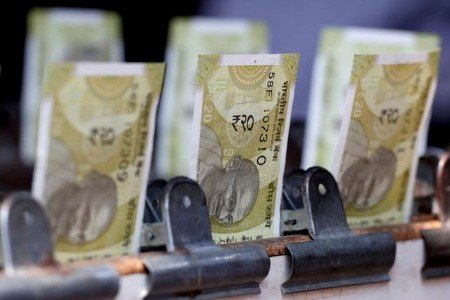
The Indian rupee climbed to a one-month high on Tuesday after the Reserve Bank of India tightened foreign-exchange rules to curb dollar demand. It touched 95.0725 per USD in early trade before easing to 95.25, up 0.5 per cent, according to Reuters.
The recovery follows a series of measures announced by the central bank to ease pressure on the rupee, which had approached record lows last week amid elevated oil prices and capital outflows. Likely dollar sales by state-run banks on the RBI’s behalf also supported the currency, Reuters reported.
RBI Widens Forex Curbs As Bankers Face Market Disruption
The RBI expanded the scope of a cash deposit requirement for foreign-exchange hedges on Monday, bringing all bank transactions within its ambit, including hedges against banks’ own assets and liabilities. The move is part of a broader effort to contain dollar demand and support the domestic currency.
The measures follow the RBI’s recent steps to limit speculative activity and redirect dollar purchases by state-run oil marketing companies away from the spot market. These actions aim to ease immediate pressure on the rupee as high crude oil prices and capital outflows continue to challenge the currency. The apparent intervention, alongside the regulatory measures, helped the rupee extend its recovery.
Forward Market Sees Sharp Swings
The currency’s gains were accompanied by volatility in the foreign-exchange forward market. According to media reports, premiums at longer maturities fluctuated between gains and losses, while traders also reported sharp movements in the non-deliverable forward market.
The one-year USD/INR forward implied yield moved between 3.62 per cent and 4.02 per cent, compared with 3.83 per cent at the previous close. The swings indicate changing pricing conditions in the forward market as participants adjust to the RBI’s measures.
The rupee had come under pressure in recent weeks amid elevated oil prices and capital outflows, testing record-low levels last week. The RBI’s latest actions followed a series of interventions intended to reduce dollar demand and stabilise the currency.