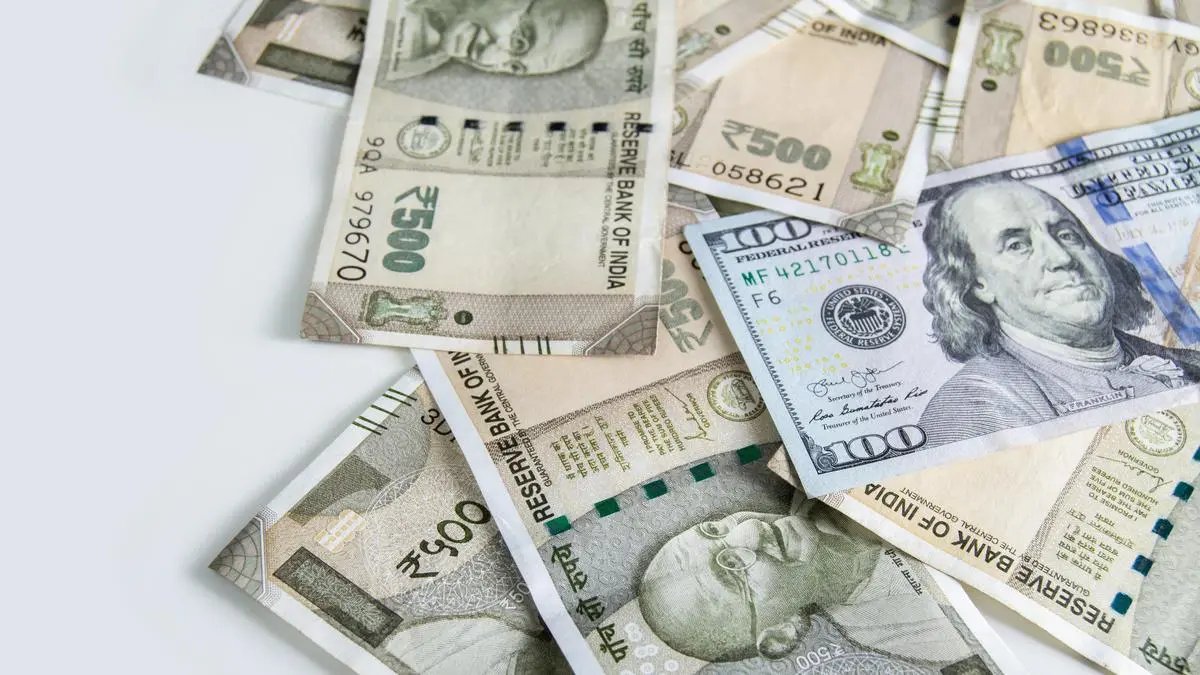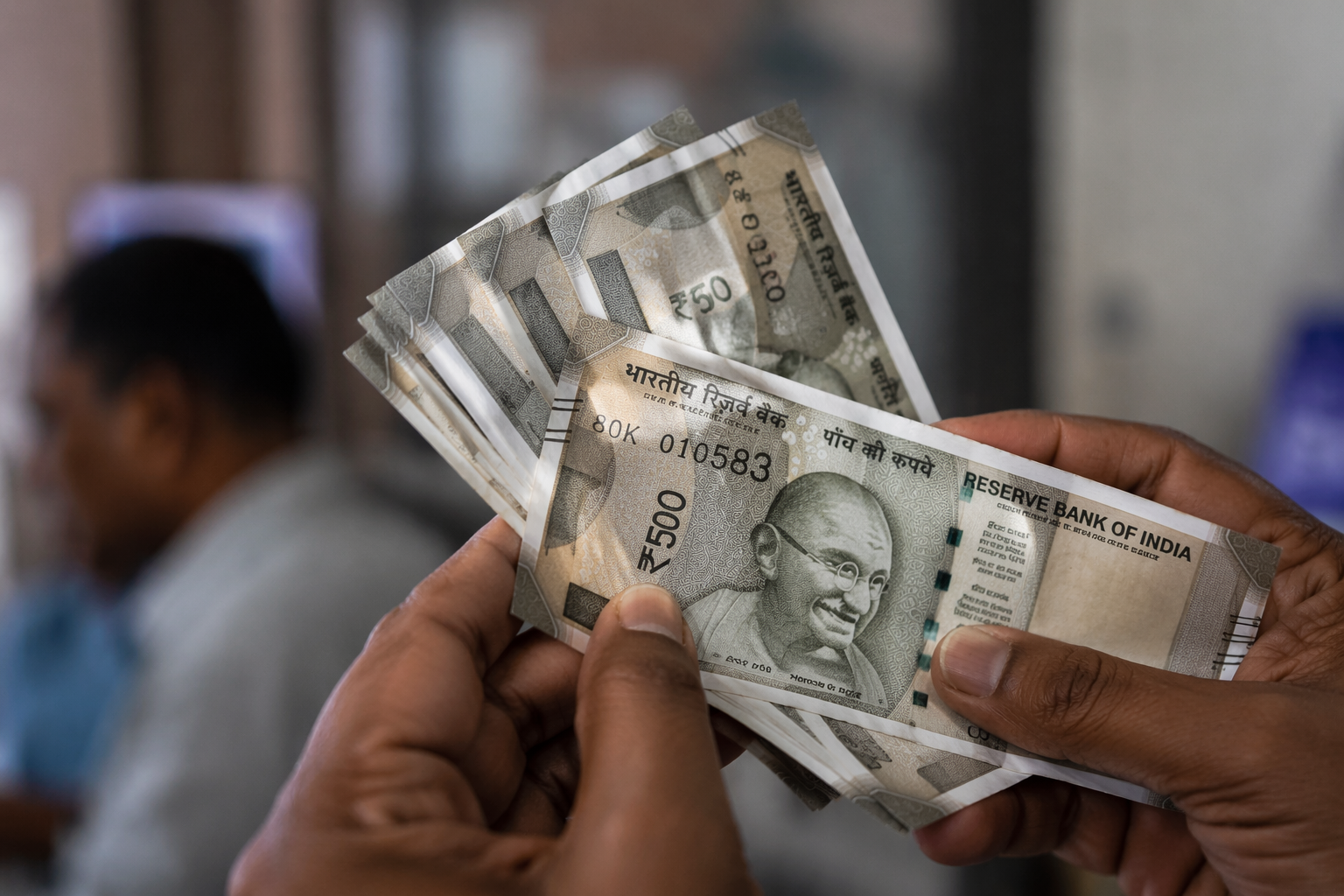
The West Asia conflict has disrupted multiple sectors in the country, with corporate profitability expected to lose 200 basis points relative to pre-conflict projections, according to Crisil’s stress test. However, export-heavy sectors such as electronics, pharmaceuticals, and textiles may benefit from the rupee’s depreciation.
The Indian currency on Wednesday settled on a flat note at a provisional 95.68 against the US dollar.
The Indian pharmaceutical industry is the largest supplier of generic drugs, accounting for 20 per cent of global supply. According to the Ministry of Commerce, India’s drug and pharmaceutical exports increased by around 7 per cent to $2.66 billion in April 2026, up from $2.49 billion in April 2025. As they earn a large sum in dollars and settle costs in rupees, the depreciation of the rupee increases their revenue. The domestic pharmaceutical market achieved a 10 per cent year-on-year value growth and recorded sales worth of $2.27 billion in April 2026.
“A weaker rupee will help Indian pharma exports. Hope companies use rupee devaluation to increase profitability instead of competing against indigenous competition. Several Indian companies sell below cost to gain market share, which is a flawed competitive strategy,” Kiran Mazumdar Shaw, chairperson, Biocon & Biocon Biologics, told Business Standard.
Electronic goods are also expected to gain in revenue. Exports jumped 40.31 per cent year-on-year to $5.18 billion in April 2026, up from $3.69 billion in April 2025, according to government data. However, importing raw materials such as helium, epoxy resins, and hardeners could offset revenue gains, limiting overall profitability.
Analysts note that the software sector might see short-term gains. Shashwat Singh, Fundamental Analyst from Bajaj Broking, told Financial Express, “Indian software exporters are reaping an immediate revenue windfall, as a weaker rupee provides a lucrative cushion that instantly converts into expanded operating margins and short-term earnings upgrades. However, this currency party faces a clear expiration date; in the long run, macro-pressured Western clients will inevitably hit the bargaining table to aggressively renegotiate pricing and claw back these benefits.”
While India’s textile and apparel exports have fallen by 3.42 per cent year-on-year to $2.88 billion in April 2026, textile shipments alone grew 3.59 per cent to $1.67 billion.
Finance Minister Nirmala Sitharaman mentioned the possibilities of new opportunities in the textile industry amongst these global disruptions. “Crises, as Prime Minister Modi often reminds us, are also opportunities. India’s moment in the global textile order is now,” she said.
A rise in textile export numbers may provide stability to the industry, but higher input costs and global uncertainties could prevent gains from rupee depreciation from translating into overall profits.