Higher oil prices no longer offer the Canadian Dollar reliable support, with housing stress, weak growth and rate differentials now driving CAD.
Canada’s Dollar used to have a fairly simple story. Oil went up, and the currency usually followed.
That relationship has weakened considerably.
MRB Partners says the Canadian Dollar’s historical sensitivity to crude oil has “diminished materially over the past decade”, leaving domestic housing, credit and growth risks with far more influence over the currency.
“Historically, the CAD would have been a go-to currency on the back of higher oil prices,” MRB said, “but its historical beta to crude oil prices has diminished materially.”
The firm’s conclusion is blunt: “The CAD is no longer a petrocurrency.”
USD/CAD was trading around 1.4036 on Thursday after rising 0.18%. The pair fell 1.36% in July, but has remained above 1.40 despite oil prices staying elevated.


USD/CAD has swung sharply between gains and losses over the past two years, with July’s decline following a near-3% rise in June.
The problem sits largely at home.
Canadian house prices have fallen from their 2022 peak, but housing remains unaffordable and household debt is still high. MRB argues that earlier policy measures prevented a sudden crisis rather than removing the underlying imbalance.
“The threat to the Canadian economy and its banking system has only been postponed rather than removed,” it said.
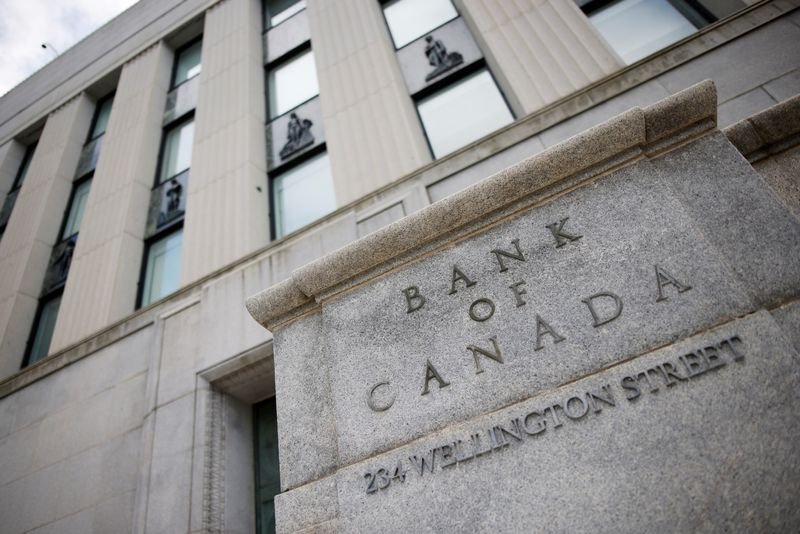
That leaves the Bank of Canada with less freedom than the Federal Reserve.
The BoC may need to keep rates comparatively low to allow households to reduce debt gradually, while healthier US household balance sheets give the Fed more room to remain restrictive.
“Both interest rate differentials and relative growth will keep the CAD weak versus the USD,” MRB said.
Canadian Dollar Outlook: Oil Is No Longer Enough
Canada’s employment and growth performance also compares poorly with the United States.
MRB notes that Canadian employment growth remains “extremely subdued”, unemployment has risen more sharply and the country slipped into a technical recession during the first half of the year.
“We expect relative growth to stay as a drag for the CAD versus the USD,” it said.

The Canadian Dollar remains close to the middle of the major-currency pack over one month, outperforming the Dollar and Pound but trailing the Yen and New Zealand Dollar.
The Canadian Dollar has performed reasonably well over the past month, gaining 1.21% against the US Dollar and 1.70% against the Swiss Franc.
MRB does not see that as the start of a durable turn.
“The cross rate is not oversold, despite the modest weakness in the CAD in recent months, and the risks are still to the downside,” it said.
The firm has downgraded CAD to underweight against USD, arguing that the US Dollar may be expensive on longer-term measures but lacks an obvious catalyst to return to fair value.

The Canadian Dollar has gained against several major currencies over the past month, but remains weaker against the Yen, Norwegian Krone and New Zealand Dollar.
Oil can still help at the margin. It is simply no longer powerful enough to offset Canada’s housing excesses, weaker relative growth and constrained monetary-policy outlook.