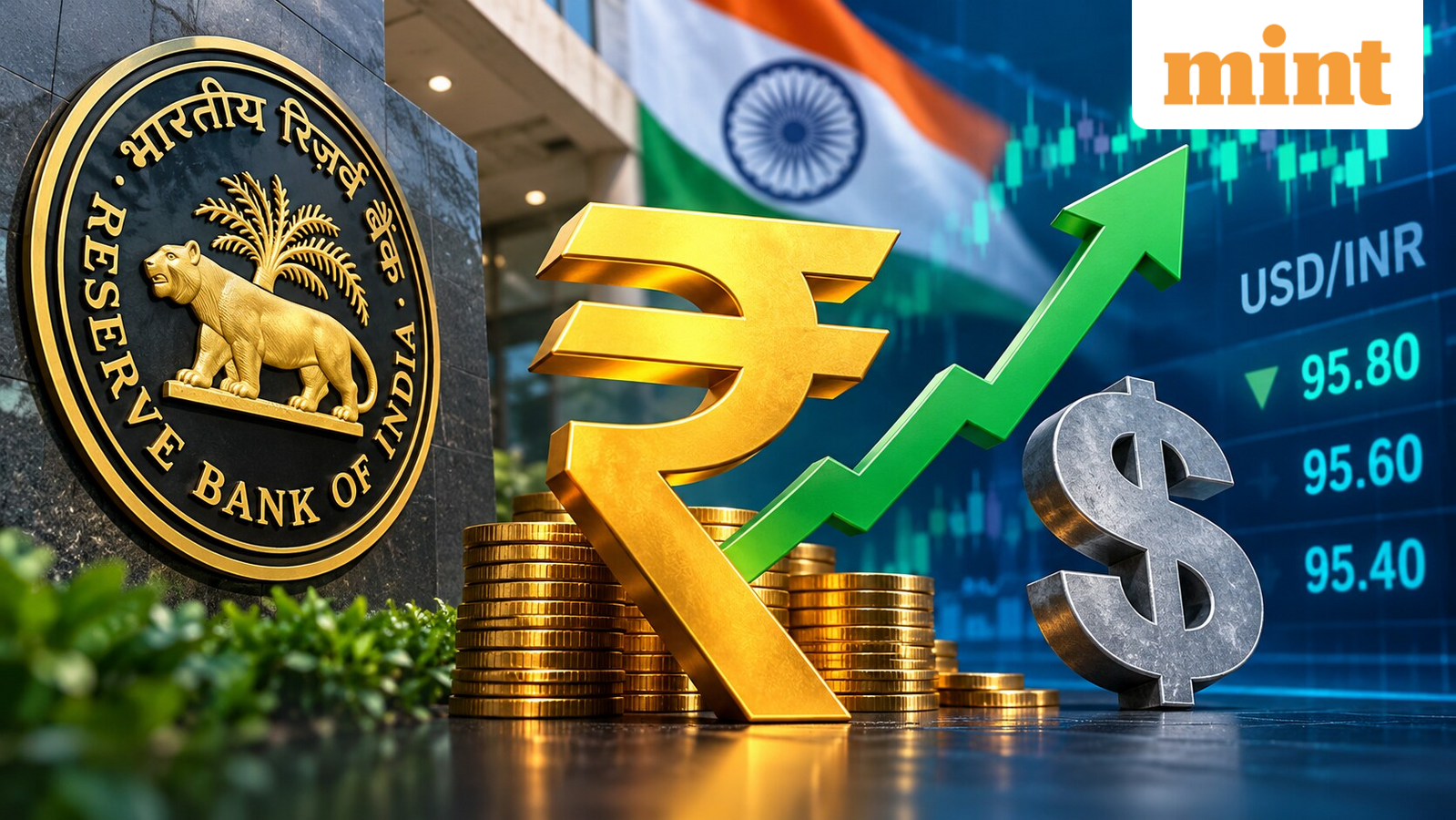
The Indian rupee over the last decade has faced steady depreciation against most major currencies, especially the US Dollar (USD), moving from an annual average of roughly ₹64 per USD in 2015 to over ₹87 per USD by 2025, reflecting persistent structural changes in global trade and capital flows. INR witnessed steepest decline against euro, falling around 38% through the period with much of the depreciation (almost 9%) coming in annual year 2025 alone. As against the pound and yen, INR fell by 17% and 10% respectively during the period under consideration. This long-term decline is a structural feature of an emerging market economy, driven by large trade deficits, global macroeconomic shocks, and central bank policy shifts. Much of the decline is also attributed to appreciation of dollar as safe haven respite during global shocks. India is a structurally import-heavy nation, relying on foreign sources for 85%+ of its crude oil, electronics, and gold. High oil price spikes (such as the 2018 shock, the 2022 post-Ukraine surge) continuously drained billions of foreign exchange out of India. The most recent 2026 West Asia crisis is also seen adding further weakness in the Indian currency against major counterparts, especially US dollar.
Powered by Capital Market – Live News
Disclaimer: No Business Standard Journalist was involved in creation of this content
First Published: Aug 07 2026 | 2:50 PM IST