-
Angola now allows banks to hold yuan as part of mandatory foreign-currency reserves
-
The move reflects China’s dominant role in Angola’s trade and debt
-
Angola is diversifying reserve currencies while gradually reducing its Chinese debt exposure
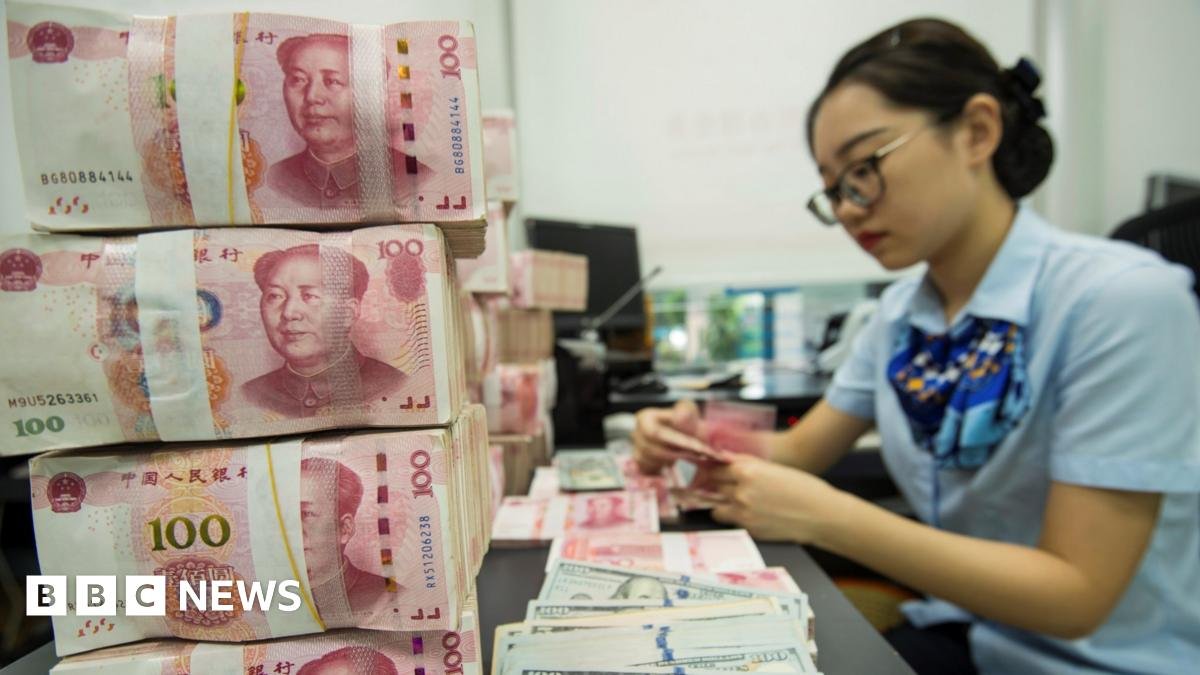
Angola’s central bank now allows commercial banks to count Chinese yuan holdings toward their foreign-currency reserve requirements.
The yuan joins the U.S. dollar, euro and South African rand on the list of eligible currencies, according to a July 2 directive published late last week on the National Bank of Angola’s website.
Required reserves are funds that banks must hold at the central bank to support financial stability and help regulate liquidity. Adding the yuan brings the BNA’s reserve rules more closely into line with Angola’s growing trade with China.
China’s Growing Role in Angola’s Economy
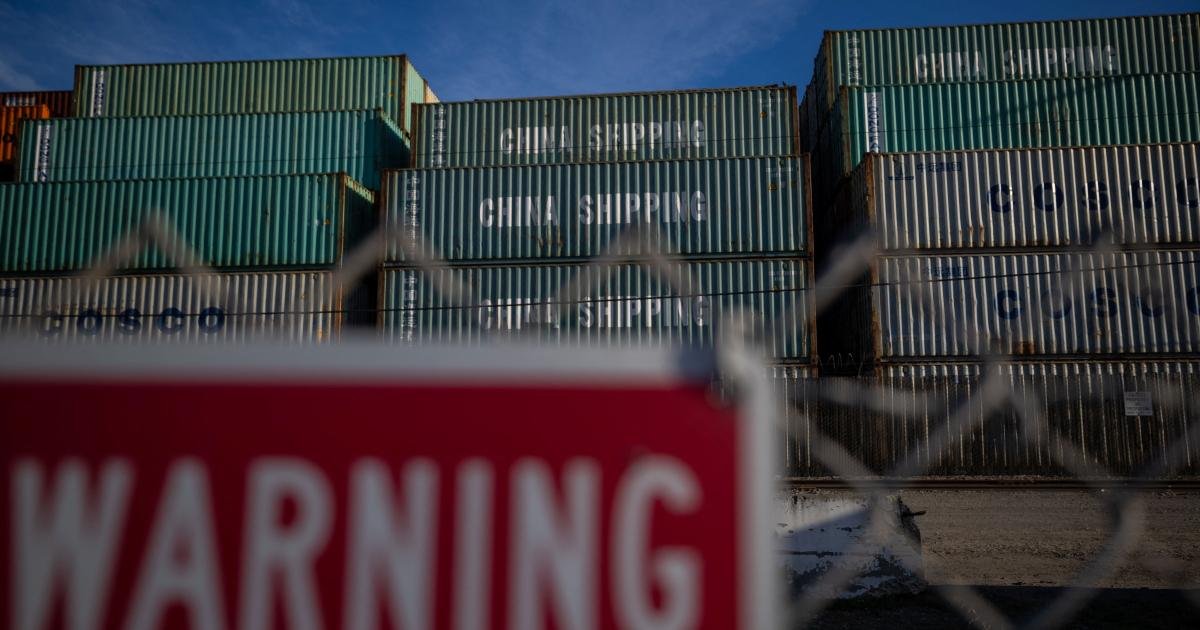
China is Angola’s largest trading partner. It buys most of the country’s oil exports and has lent Angola more than $42 billion over roughly two decades to finance roads, railways and power plants. Those loans still account for nearly 40% of Angola’s external debt, according to official data.
Angola has nevertheless been reducing its debt exposure to China. In July 2025, officials projected that its oil-backed debt to Chinese lenders would fall to between $7.5 billion and $8 billion by the end of that year, from more than $10 billion a year earlier.
“All of Angola’s oil-backed debt is owed to China, and that debt has gradually declined in recent years,” Dorivaldo Teixeira, director of the debt management unit at Angola’s Finance Ministry, said at the time. He added that the country had not taken out any new oil-backed loans since 2017.
The move reflects a broader shift among emerging economies seeking to diversify the currencies used for reserves and international payments, reducing currency-conversion costs and dependence on the dollar. China is encouraging that shift. Its central bank recently approved new yuan-clearing arrangements in Africa that could make direct payments in the currency easier.
The dollar remains by far the world’s dominant reserve and trading currency. How widely Angolan banks will use the new option remains uncertain. The country’s foreign-exchange reserves stood at $15.8 billion in April, and the BNA did not specify when the measure would take effect.
Fiacre E. Kakpo