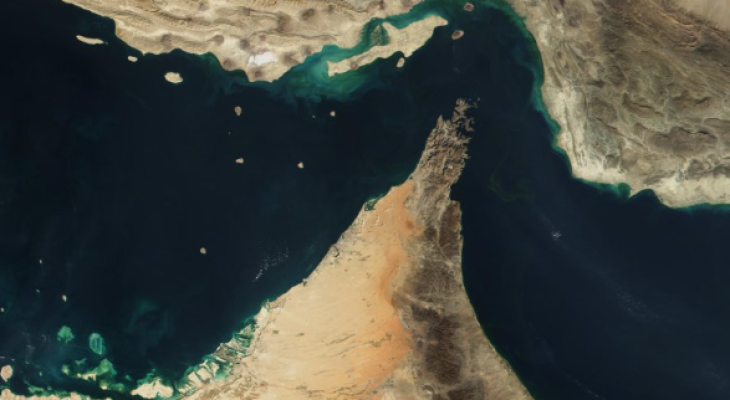
President of the US, Donald Trump, has proposed that America should be responsible for protecting the strategically significant Strait of Hormuz and make money by levying 20% charges on cargoes passing through this passage. This proposal is generating new waves in the global energy and financial markets.
Donald Trump sees the US as the future ‘Guardian of the Hormuz Strait’, saying that the countries that are enjoying the security of their shipments must pay for that protection.
The Strait of Hormuz transports almost one-fifth of the daily oil supply in the world. Therefore, any disruptions or increased shipping charges impact oil prices, freight charges, and insurance premiums. In view of the geopolitical tensions, Brent crude prices have increased once again. This situation has brought back worries about inflation due to the easing of previous price pressure. Meanwhile, investors have switched to safe-haven investments, while equity in Asian markets came under pressure. Higher crude oil prices may impact India negatively, considering that more than 85% of the country’s oil requirements are imported.
Falling Rupee Adds To India’s Inflation Risks
Geopolitical tensions now come at a time when the Indian rupee is already under pressure from the USD. Rupee depreciation causes higher costs of crude oil imports, which leads to higher fuel costs and inflation in India. Market analysts have said that any rise in the price of crude in international markets adversely impacts India’s balance of payments since crude oil is the most important import item of the nation. Increased costs will cause lower profit margins for companies and may adversely affect economic growth.
“Any disruption in the Strait of Hormuz or higher transit cost would mean higher cost of landing crude for India. With depreciation in the rupee, this might cause higher imported inflation and restrict RBI’s room on monetary policy,” said Dr. Aditi Nayar, Chief Economist at ICRA. In like manner, Madan Sabnavis, the Chief Economist at Bank of Baroda, observed that high oil prices combined with rupee depreciation can lead to an expanded trade gap if geopolitical tensions continue.
Although the practicality and legality of the suggested charge by Trump on the shipping industry are questionable, markets will be watching this development very closely. The analysts are confident that any protracted period of uncertainty in the Gulf region may keep energy prices high. Therefore, movements in currencies and inflation will pose significant risks for countries like India.