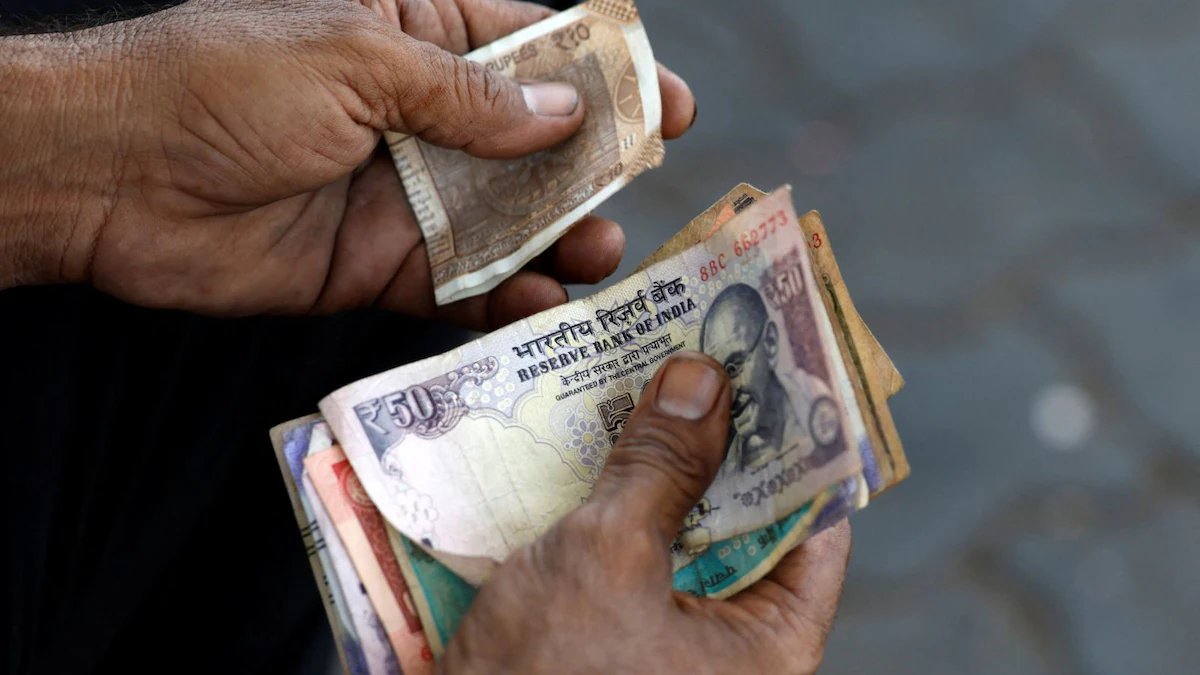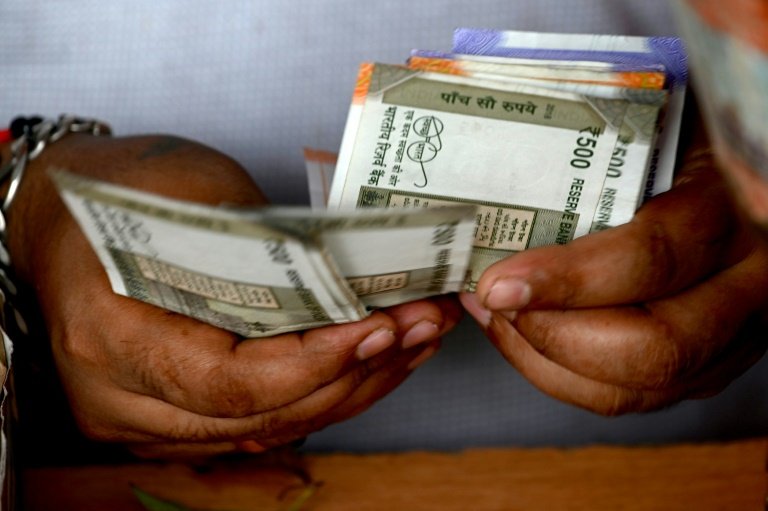
The Indian rupee breached the 96-per-dollar mark again on Tuesday, pressured by elevated oil prices and broad greenback strength. The domestic unit opened at 96.05 per dollar against the US Dollar and fell to a low of 96.15 per dollar, trading near its two-month low as pressure from high domestic and foreign yields added to the slide. However, the central bank intervened to limit the currency’s fall, which ended Tuesday’s trade at 95.98 against the US Dollar.
High crude prices add to declines
According to traders, the currency’s weakness was mostly driven by surging oil prices, as Brent crude futures toppled the $107/bbl mark. High oil prices put pressure on the country’s import bill and widen its current account deficit, as India is a net oil importer. Uncertainty surrounding the US-Iran negotiations and reopening of the waterway passage- the Strait of Hormuz– further added to the sharp rise in oil prices.
However, traders said that the Reserve Bank of India stepped in to curb the currency’s fall. Pressure from a two-month high dollar index also added to the fall. US Federal Reserve’s further tightening bets to counter energy-driven inflation put pressure on emerging market currencies. A firm greenback increased the appeal of the safe-haven dollar.
“The dollar continues to be supported by elevated US Treasury yields and expectations of further Fed tightening, with the US 10-year yield reaching around 5.25%,” said Anil Kumar Bhansali, head of treasury at Finrex Advisory LLP.
RBI rate hike on charts?
According to a report published by Axis Mutual Fund, RBI is likely to hike rates by 50-75 basis points over the next six months, which would push the key policy rates towards the 6-6.25% range. However, it noted that the Indian central bank is expected to manage the liquidity surplus through money market operations like OMO sales and VRRR auctions.
“This calibrated combination of higher policy rates and tighter liquidity should help address emerging inflation risks while balancing the need to support growth. For investors, near-term pressure on bond yields could create opportunities to gradually lock into attractive yields as the tightening cycle progresses,” it added.
Domestic indices in red
Indian benchmark indices ended Tuesday’s trading session in the red. Sensex ended at 72,529.07, down 0.33% or 242.65 points. However, the indices recovered significantly from early lows, while the Nifty 50 closed down 0.28% or 64.05 points to end at 22,716.20.
As per NSE data for September 28, foreign investors were net sellers of domestic equities with Rs 4,907.78 crore.