Oh, to be a fly on the wall in the Mar-a-Lago dining room this week. Better yet, to be a fly that speaks Mandarin.
President Donald Trump is scheduled to host Chinese President Xi Jinping and his entourage at Trump’s Mar-a-Lago property this Thursday and Friday. To say the first face-to-face meeting between the two world leaders will be awkward is a major understatement.
Trump has already tweeted that the meeting “will be a very difficult one” after using even harsher words to describe China on last year’s campaign trail: The then-candidate invoked the word “rape” in describing China’s trade policies, threatened to impose a 45% tariff on Chinese imports, and pledged to formally label the country a currency manipulator on day one.
Trump has yet to make that manipulator label stick, and it’s probably for the best. Here are the key reasons why economists and investors don’t think he should follow through on that particular campaign promise.
1. It’s more than just a label
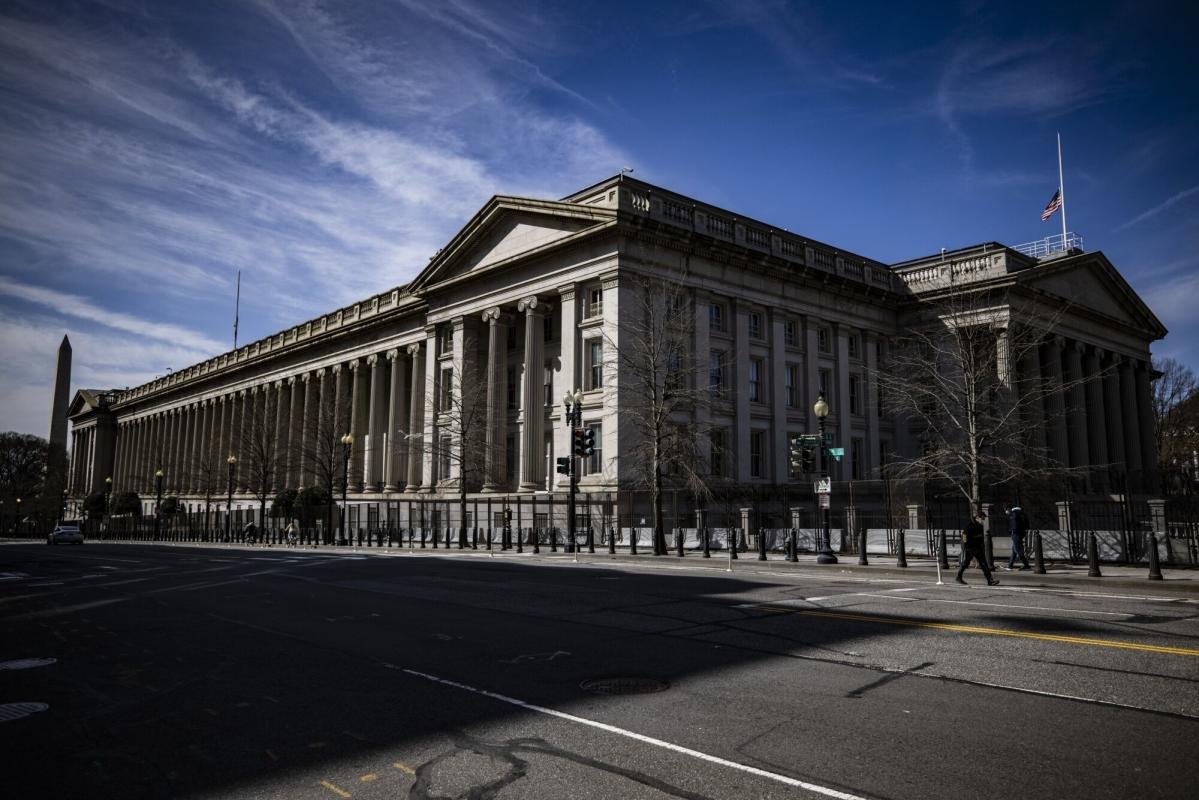
“Currency manipulator” amounts to more than mere words. It’s an official designation determined by the U.S. Treasury Department, and if the Trump administration choses to invoke this status, it would likely happen when the department releases its next semi-annual report on exchange rate policies. Over the last few years, these reports have been released in April and October.
Labeling a country as a currency manipulator triggers a formal process in which the Secretary of the Treasury engages in a series of negotiations with China. If after a year, the U.S. continues to assess that China is a currency manipulator, President Trump could then impose various penalties, possibly limiting Chinese investment in the United States.
2. China does not meet the criteria for a “currency manipulator”
A country must meet three conditions to be officially designated as a currency manipulator, and China currently only meets one of them.
These criteria for a country include: 1) a trade surplus in excess of $20 billion with the United States, 2) a trade surplus that amounts to more than 3% of that nation’s gross domestic product, and 3) repeated depreciation of its own currency by buying foreign assets equaling 2% or more of its GDP per year.
China only hits the first mark, and over the last few years has actually been moving in the opposite direction when it comes to currency intervention.
Speaking on CNBC in February, Treasury Secretary Steven Mnuchin made it clear that he plans to follow his department’s protocol. “We have a process within Treasury where we go through and look at currency manipulation across the board,” he said. “And we’ll go through that process.”
3. President Obama, not Trump, would have had more reason to call China a currency manipulator
Although the Obama administration refrained from formally designating China as a currency manipulator, officials like former Treasury Secretary Timothy Geithner did put diplomatic pressure on China to curb the practice.
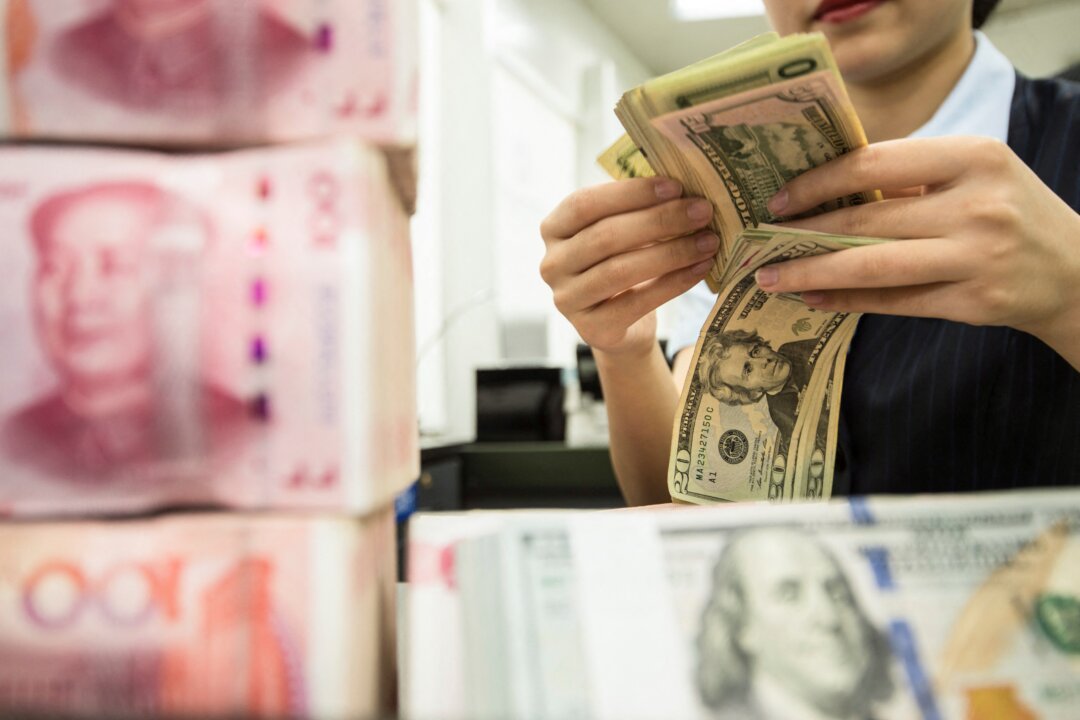
From 2003 to 2014, China’s central bank sold its own currency and bought up foreign reserves like the U.S. dollar. U.S. lawmakers claimed the practice essentially kept the yuan artificially low, making Chinese exports cheaper and giving the country an unfair advantage over other trading partners.
But China abandoned this policy in 2014 as it grappled with slower economic growth. In fact, now it’s moving in the opposite direction, with the People’s Bank of China selling foreign reserves in an effort to prop up the yuan and prevent it from a rapid decline.
“While China was trying to weaken its currency a couple years ago, it’s no longer doing that,” said Ethan Harris, global economist for Merrill Lynch Global Research. “They’re going in the wrong direction to be named a currency manipulator. That’s not a very effective opening gambit.”
4. Trump isn’t ready for a tough negotiation
Although the president claims he’s an excellent dealmaker, trade policy is complex and he still doesn’t have a full economic team to help him win against the Chinese.
Aside from Treasury Secretary Steven Mnuchin, 27 other leadership roles at the Treasury Department remain unstaffed, according to the Political Appointee Tracker. Many senior roles at the State Department also remain vacant, and Trump’s pick for Ambassador to China, Iowa Governor Terry Branstad, has yet to be confirmed by the Senate.
“Trump doesn’t have the manpower to go out and do the hard work of negotiating on trade,” said Carl Weinberg, chief economist of High Frequency Economics. “He’s coming up against a very seasoned team of experienced Chinese negotiators.”
5. There are more pressing issues
Bilaterial trade may not be the top priority for President Trump this weekend. After visiting China last month, Secretary of State Rex Tillerson has been urging cooperation between the two countries on curbing North Korea’s nuclear threat.
“Something that both leaders can agree on is that they’re worried about North Korea’s nuclear program,” Weinberg said.
Speaking to reporters on Tuesday, United Nations Ambassador Nikki Haley emphasized that priority.
“Hopefully China will respond favorably,” she said. “That’s what we all want.” “That’s the goal of this weekend, to make sure China shows they are willing to act on North Korea, because at the end of the day, the only one North Korea is going to respond to is China.”
Whatever happens this weekend, investors will be keeping a close watch.
“The China-U.S. relationship is going to be very important to the markets going forward,” Harris said. “This is much more important than say the president shooting off a tweet and saying something in a speech, because it’s a one-on-one meeting. It’s going to take a while to figure out exactly how this is going to play out.”
See original article on Fortune.com
More from Fortune.com