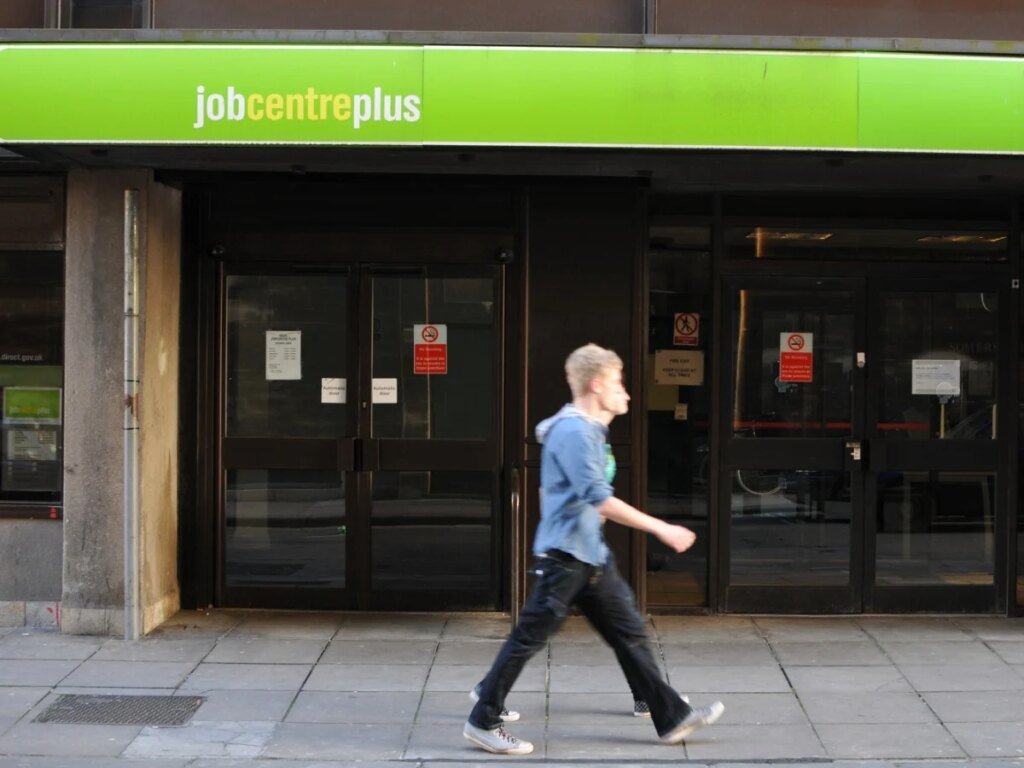
The Pound Sterling weakened on Tuesday after a disappointing UK employment report reinforced concerns that the domestic economy is slowing faster than expected, although EUR/GBP remained anchored near 0.87 as investors balanced weak UK data against broader Eurozone energy risks.
Pound to Euro (GBP/EUR): 1.15548 (+0.12%)
Pound to Dollar (GBP/USD): 1.34219 (+0.21%)
Euro to Dollar (EUR/USD): 1.16159 (+0.09%)
Bad News from the UK Employment Report
The UK employment report was mostly negative.
Unemployment rose to 5.0% and payrolls dropped 100k.
Private sector wage growth eased to 0.6%.
While this is good news for inflation, it reflects underlying weakness and will mean workers have less disposable income, especially when energy costs are considered.
Meanwhile, another peace deal is being considered by the US, but markets are making a muted reaction.
After the political turmoil of last week, the focus this week may turn back to data for the British Pound.

Tuesday brought some key figures from the employment report, CPI is scheduled for Wednesday, then Thursday will bring PMIs and a speech by BoE Governor Bailey.
Gloomy Employment Report
The latest figures from the UK labor market are a disappointment.
The unemployment rate jumped to 5.0% from 4.9%, slightly above the 4.9% consensus estimate.
Along with this rise, the total number of people on company payrolls saw a significant dip of 100k, while the number of vacant roles across the country fell to its lowest point in nearly three years.
Retail and hospitality industries saw the largest spike in job losses, as high prices continue to squeeze the margins of small and medium businesses.
This shift accounted for a huge chunk of the move in the jobless rate over the last quarter. On the other hand, the public sector is still showing some growth in headcount, though it isn’t enough to offset the private sector slump.
The 100,000 decline in payrolls is a massive headline number, but history suggests it will almost certainly be revised upward in the coming months.
We saw a nearly identical situation last May where a reported six-figure drop was eventually walked back to a much more modest decline.
However, even if we treat the immediate drop with a pinch of salt, the backward revisions to February and March remind us that the underlying situation is fragile.
This cooling of the labor market will catch the attention of the Bank of England. High-profile analysts note that the economy appears far less vulnerable to “second-round” inflation effects than it was during the energy crisis four years ago.
Commenting on the report, James Smith, Developed Markets Economist at ING, noted that “the near-term direction of private sector wage growth is lower,” and predicted it could fall below 3% very soon.
This is a critical shift, as wage growth has been one of the primary reasons for the Bank’s hawkish stance.
With the three-month annualized change in private pay at just 0.6%, the lowest since 2015, the argument for further tightening is losing steam despite elevated oil prices.
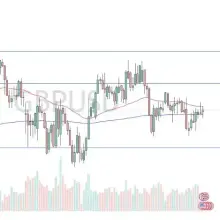
GBPUSD is lower by 0.35% due to dollar strength, while EURGBP is down just 0.1% at 0.866. 0.87 still seems the most comfortable exchange rate for the pair as it has oscillated around that point for many months.
Ultimately, today’s report throws the Bank of England’s June meeting into question. While many still expect a “one-and-done” hike due to high gas prices, the rapidly slowing wage growth makes it a very close call.
If Tuesday’s inflation data also comes in lower than expected, the pressure on the Bank to pivot toward a pause, or even re-start its cutting cycle, will increase.
Groundhog Day on a Peace Deal
Markets are reacting less and less to US-Iran headlines as it has grown wise to the regular U-turns and lack of real progress.
The latest developments involved a threat of military strikes by the US followed by a de-escalation and postponement of strikes as a deal is reportedly close.
This is the fourth time this has been said, and this time stock markets are actually lower, while oil has only fallen by around 1%.
With yields on the 30Y hitting levels last seen in 2006, pressure will be growing to get a deal done this time before inflation and borrowing costs do lasting damage.