The GBP/USD pair came under pressure near the 1.3400 level during Asian trading hours on Thursday as investors moved toward safe-haven assets following fresh geopolitical developments in the Middle East.
The British Pound weakened against the US Dollar as markets reacted cautiously to renewed military activity involving the United States and Iran.
Investors also remained focused on the upcoming release of the US April Personal Consumption Expenditures (PCE) Price Index inflation report, scheduled later in the day.
The US military launched new strikes in Iran, targeting a site believed to pose a threat to US forces and commercial shipping traffic.
The US described the operation as measured, defensive, and necessary to maintain the ceasefire.
Investor sentiment weakened further after comments from US President Donald Trump on Wednesday.
Trump said he remained determined to secure a favorable agreement to end the war with Iran.
He also warned that attempts by the Iranian regime to delay negotiations would not succeed because “I don’t care about the midterm elections.”
The latest developments increased concerns over a prolonged conflict in the Middle East.
As a result, investors shifted toward traditional safe-haven assets, supporting the Greenback and putting pressure on major currency pairs.
The British Pound also faced pressure after markets reduced expectations for further tightening from the Bank of England.
The shift in sentiment followed softer inflation data from the United Kingdom, along with an unexpected rise in the country’s Unemployment Rate to 5.0% in April.
Easing political concerns also contributed to changing market expectations.
Pantheon Macroeconomics said in a note on Tuesday that traders had reduced expectations for future rate hikes.
“Traders now price one rate hike fewer in 2026 than at the end of the previous week, and gilt yields saw the biggest weekly drop since late-2023,” Pantheon Macroeconomics said.
The research firm added that lower bond yields were driven by several factors.
“We estimate that lower yields were driven by lower oil prices, a fall in betting-market odds on Sir Keir Starmer being replaced, and Andy Burnham committing to maintain current fiscal rules,” the note added.
The decline in gilt yields reduced support for the Pound, further weighing on GBP/USD.
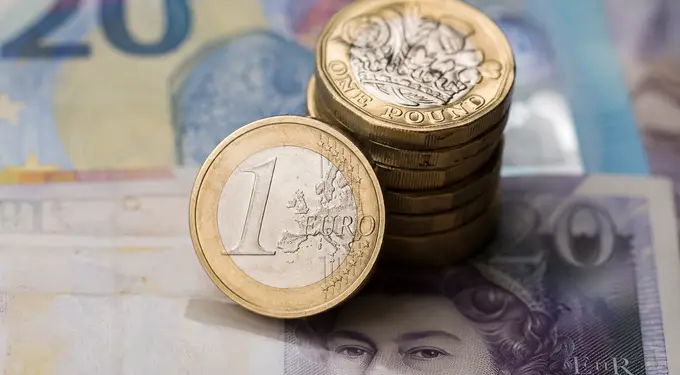
The Euro also lost ground against the US Dollar during the Asian session.
The EUR/USD pair declined 0.3% to near 1.1590 as investors reacted to reports of Iran’s retaliation against US attacks near Bandar Abbas airport, according to the Tasnim news agency.
The broader market mood turned risk-averse following the developments.
At the time of writing, S&P 500 futures were down 0.3% below the 7,500 mark, reflecting weaker investor confidence and reduced appetite for risk assets.
Meanwhile, the US Dollar Index (DXY), which tracks the Greenback against six major currencies, rose more than 0.3% to near 99.53.
The stronger Dollar continued to pressure both the Pound and the Euro as investors sought safer assets amid growing geopolitical uncertainty.