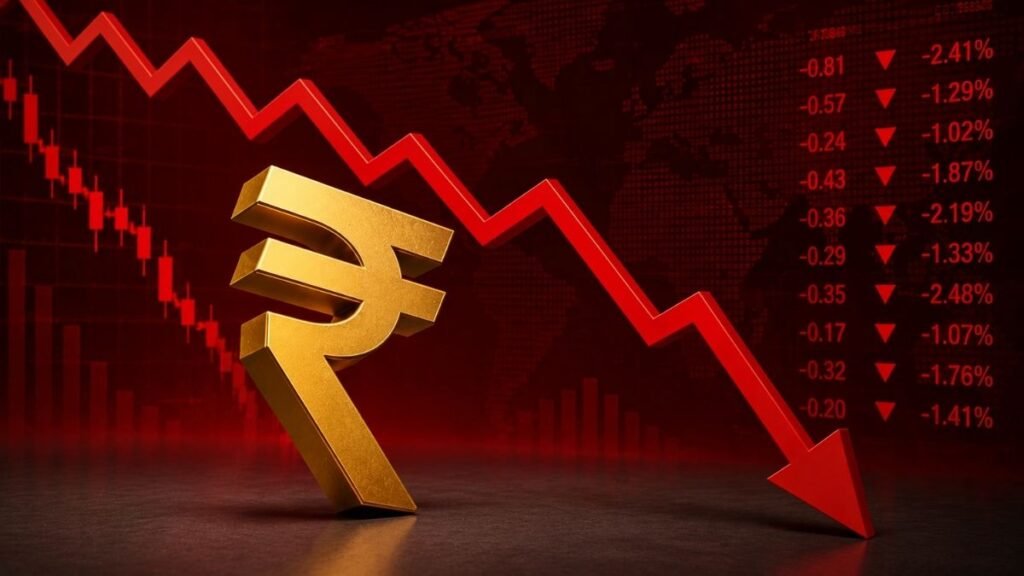
Rupee’s historic slide continues, and the currency has now slipped dangerously close to the 97/$ levels to a record low on Wednesday to 96.87 per dollar. The rupee is under pressure as a deadlock in US-Iran peace talks kept oil prices elevated around $110/bbl. The US Treasury Yield surging to fresh highs is also putting pressure on the rupee.
Devarsh Vakil, Head of Prime Research at HDFC Securities highlighted that one of the key factors impacting the rupee’s downward spiral is the fact that US Treasury yield has climbed to its highest levels since the 2008 financial Crisis. “The 30-year US Treasury yield climbed to 5.18%, approaching a closing level not seen since 2007, as inflation fears, driven by the war in Iran and surging oil prices, mount. These elevated rates are driven by persistent inflation concerns linked to ongoing geopolitical conflicts and a shift in Federal Reserve expectations from potential rate cuts to a possible hike later in 2026,” he added.
According to Reuters, traders are expecting the RBI’s surplus transfer to the government this week, which could shore up liquidity.
Bloomberg also reported that the RBI sold small amounts of dollars in the onshore currency market today.
Why is the rising US yield a worry for the rupee
Elaborating on the impact of the yield surge on the Indian currency, Rajesh Palviya, Head of Research, Axis Direct explained that “Rising US bond yields also kept the dollar firm, pushing the Indian rupee to fresh record lows against the greenback and adding pressure on emerging-market sentiment.”
Vakil pointed out that he expects the rupee to continue to remain under pressure , “The Indian rupee remained under pressure due to weakness in regional peers, persistent dollar demand from importers, and concerns over rising inflation driven by elevated import costs.”
Bond yields at multi-year highs and weighed on equities.
Elevated energy prices and weak capital flows, further strained by rising bond yields, have left India staring at a steep balance of payments deficit for the ongoing fiscal year.
Rupee slides 6% since Iran war began
The rupee had hit its previous all-time low of 96.6150 hit in the previous session. The currency is down 6% since the Iran war began in late February, according to Reuters.
Overseas investors have pulled out over $22 billion from local stocks and bonds over the same period, while Brent crude prices have surged over 50%.
Tackling crude surge: India hikes fuel prices
India has already increased fuel prices twice in a week. On May 15, state-run oil marketing companies (OMCs) increased petrol and diesel prices by around Rs 3 per litre. Just four days later, on May 19, prices were raised again by about 90 paise per litre.
Analysts like IDFC FIRST Bank expect more phased hikes in fuel prices in the coming months. Kotak Institutional Equities also said fuel prices should have been hiked by Rs 13–17 per litre, as OMCs have absorbed the impact of surging crude prices so far.
Kotak also expects consumers to face inflation because of hikes by FMCG companies as well.