Euro-Office is a web-based collaborative office suite that positions itself as a “European sovereign alternative” to American tech companies, backed by a coalition of developers including Nextcloud, IONOS, Abilian, BTactic, OpenProject, and, more recently, Tuta.
The project officially went live a couple of days ago, but not before drawing heavy fire from LibreOffice developers, who called the marketing claim that Euro-Office represents the “first open-source office suite developed in Europe” a deceptive historical inaccuracy because projects like OpenOffice and LibreOffice existed decades earlier.
Now that the project has launched, LibreOffice is back with another complaint, arguing that Euro-Office cannot consider itself “genuinely European” while it pushes proprietary Microsoft defaults on users.
A genuinely European, genuinely sovereign office suite cannot treat the open standard as a concession to outsiders, it has to speak ODF as its mother tongue. The Document Foundation looks forward to that moment, and will be glad to acknowledge it when it comes.
Euro-Office had promised to improve the OpenDocument Format (ODF) back in April, but the current release still plagues users with several technical failures. For instance, the suite lacks an admin setting to enforce ODF, and mobile editors completely block ODF saves, forcing files into Microsoft’s OOXML formats. Some configurations force files into read-only mode, while editing frequently corrupts document formatting or erases data. LibreOffice thinks that merely supporting a format as an afterthought does not make you a sovereign alternative, as file formats are the battleground where” digital sovereignty is won or lost.”
The road to the first stable release of Euro-Office has been quite bumpy due to an aggressive public fallout with OnlyOffice, from which the coalition originally forked the project. OnlyOffice struck back by accusing the coalition of violating copyright terms under its AGPLv3 branding requirements by stripping the original branding anyway and forking the code.
Getting Euro-Office up and running is a bit wonky (at least for non-technical users), as there is no direct installer to grab off the web. The easiest way we learnt is by using Docker. First, pull the official Euro-Office image from the GitHub Container Registry:
docker pull ghcr.io/euro-office/documentserver:latest
Then, run the container with active ports and a secure JWT token, enabling the test environment:
docker run -i -t -d -p 8080:80 --restart=always -e EXAMPLE_ENABLED=true -e JWT_SECRET=my_secure_jwt_secret ghcr.io/euro-office/documentserver:latest
And finally, open a web browser and go to the following address:
http://localhost:8080
If you are running this on a remote server, replace localhost with your server’s IP address. You will see the Euro-Office test page, where you can create new text documents, spreadsheets, or presentations directly in the browser.
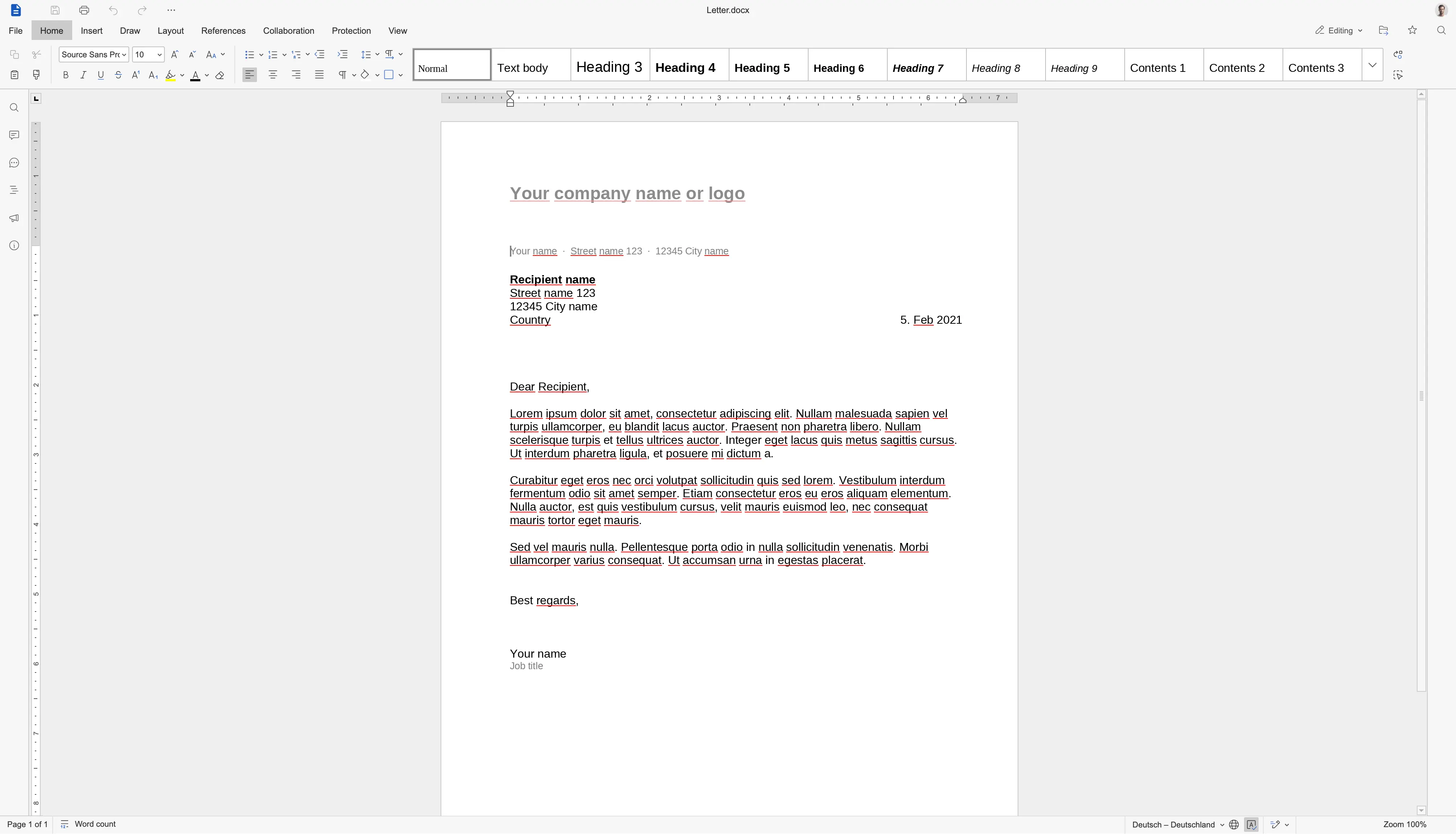
Nextcloud promises that proper standalone desktop versions and mobile apps will arrive in a future release.