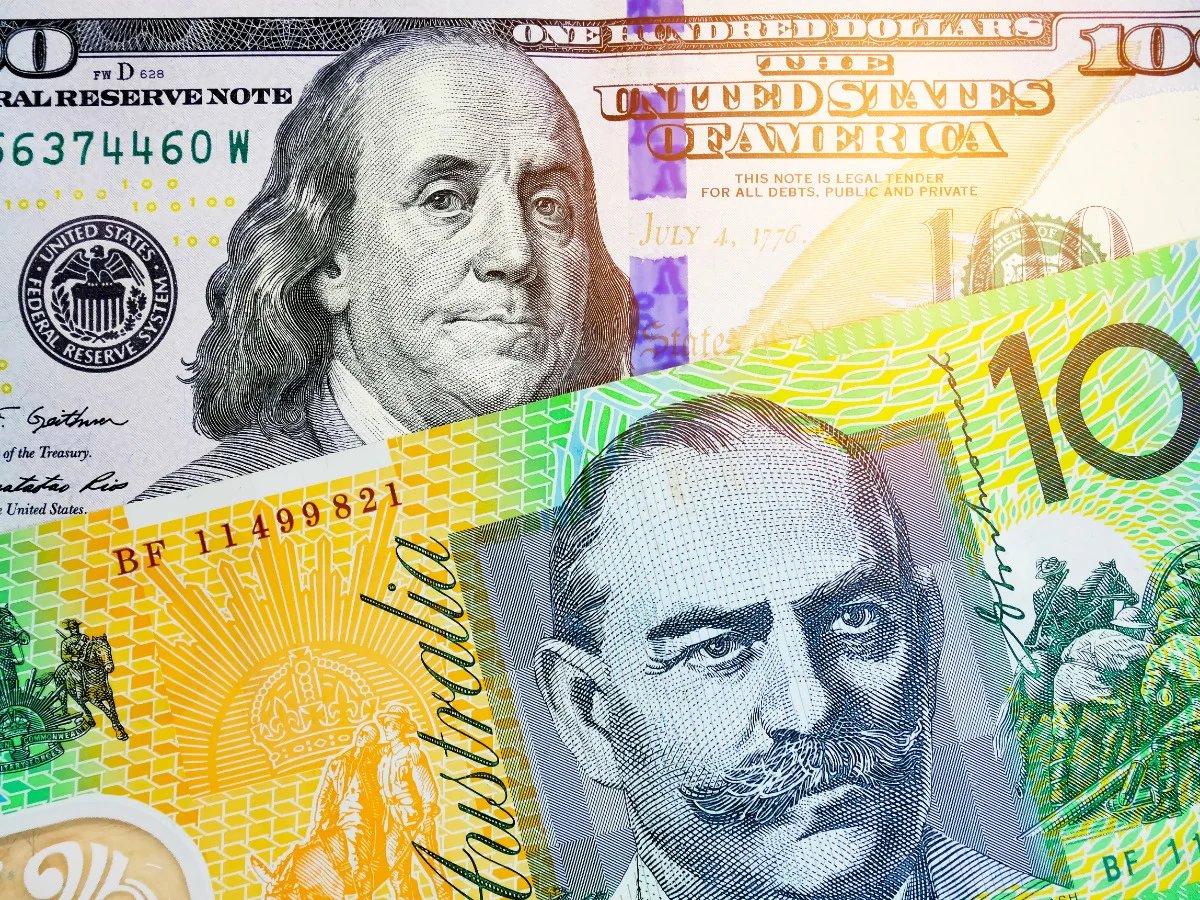
The Canadian dollar strengthened against the U.S. dollar after President Donald Trump’s late-night announcement on Tuesday that he had reached a new trade agreement with Canada and paused a new wave of tariffs while the deal is hammered out.
In early morning trading Wednesday in Europe, the Canadian dollar firmed up against its U.S. counterpart in anticipation that trade tensions between the countries were set to ease somewhat after a year and a half of turmoil since Mr. Trump entered the White House and unleashed a global tariff war.
The Canadian dollar traded at US$1.388 and reached as high as US$1.387 at one point. A day earlier, it was somewhat weaker, at US$1.39.
The loonie may have been supported in part by climbing oil prices, since some traders view it as, in effect, a petro currency. In London trading, Brent crude, the international benchmark, was up by about 0.5 per cent to US$91 a barrel, taking the one-week gain to more than 4 per cent. Brent’s 12-month gain is 38 per cent.
Oil is gaining because the U.S.-Iran peace negotiations have broken down. The Financial Times, citing Iranian regime “insiders,” on Wednesday reported that Iran might attack U.S. military targets in Europe if Mr. Trump escalates the war.
But beyond the modestly stronger dollar, there was little sign in overnight Asian or morning European trading that an effective ceasefire in the Canada-U.S. tariff battle would trigger similar deals among other trading partners. None of the several analyst and economist notes seen by The Globe and Mail on Wednesday morning even mentioned the pause in the new tariffs against Canada.
That may change later in the week, when – and if – the agreement unveiled by Mr. Trump is finalized, allowing its structure and details to emerge.
On Tuesday night, Canadian Chamber of Commerce chief executive officer Candace Laing said that the three-day tariff pause offered some relief to businesses but left a lot of questions open. “The limbo state is not anyone’s preferred outcome,” she said in a statement.
Prime Minister Mark Carney did not say in his Tuesday statement that the deal to dilute or eliminate the latest round of U.S. tariffs against Canada was done. “Substantial progress has been made, although there is important work still to be done,” is all he said, a hint that the progress between now and the end of the week was not assured.
There is a pattern of Mr. Trump announcing trade or tariff deals only to see them watered down, delayed, reversed or only partly implemented.
For instance, in March 2025, Mr. Trump used a social media post to announce a 200-per-cent tariff on wine, champagne and other alcoholic drinks from the European Union. The hefty tariffs never materialized, though spirits were not included in the EU-U.S. trade agreement struck last summer, which set a 15-per-cent tariff on most European imports.
Similarly, Mr. Trump unveiled several truces, pauses and limited deals on rare earths and other products on China only to have them scrapped or eliminated. Traders have made fortunes on bets on TACO – Trump Always Chickens Out – assuming his aggressive trade stance against certain countries will be rolled back in whole or in part.
The White House on Tuesday said the 50-per-cent duties on about US$20-billion of Canadian products – including cement, hockey sticks, plywood and milk – under Section 338 of the 1930 Tariff Act were paused after Canada “expressed a commitment to remove the discriminations” on U.S. autos, alcohol and dairy. Without providing details, the U.S. Trade Representative’s office said the deal includes “comprehensive market access for all American good, economic security commitments, digital trade alignment” and other factors.