British Pound Drops to 2.5-Month Low Against US Dollar on Global, Political Risks
Sterling Weakens Amid Global Tensions and Domestic Political Uncertainty
By Stefano Rebaudo and Ozan Ergenay
Market Movements and Safe-Haven Demand
March 2 (Reuters) – Sterling hit a 2‑1/2‑month low against the dollar and edged down versus the euro on Monday, as the Iran conflict sent investors into safe‑haven assets while concerns over the Bank of England’s policy path weighed on the British currency.
The dollar rose as the Iran conflict fuelled safe‑haven demand, and higher oil prices.
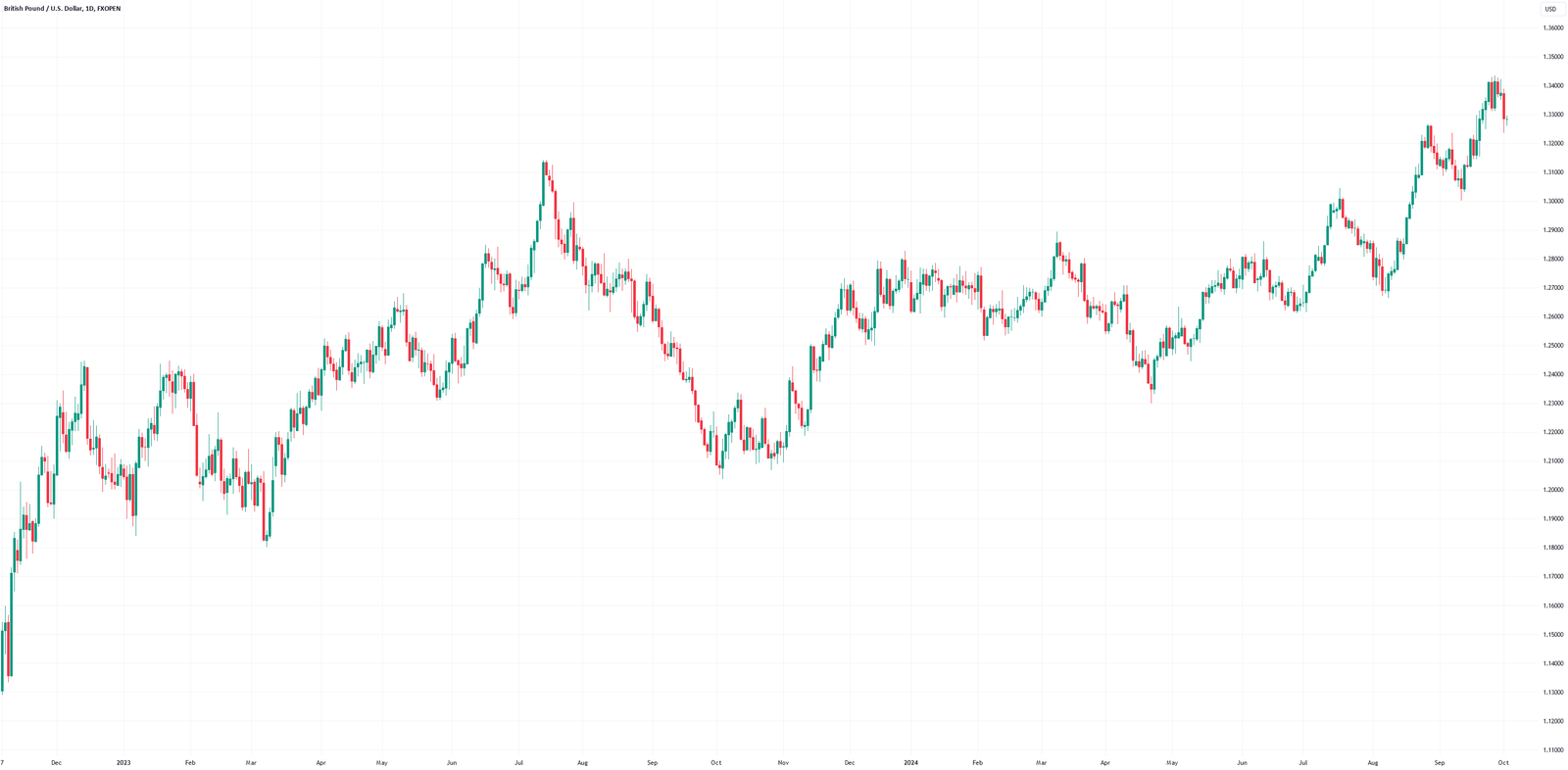
Sterling fell 0.68% to $1.3393, after reaching $1.3315, its lowest level since December 17.
Political Developments Impacting the Pound
As well as events in the Middle East, sterling is being affected by domestic politics after a local election in northern England brought a resounding defeat for Prime Minister Keir Starmer’s Labour party, raising speculation that the government could move further to the left and increase government spending.
Labour’s Influence and Fiscal Expectations
Barclays strategists argued that the growing influence of Labour’s soft‑left faction could justify expectations for more fiscal spending and a higher premium in the pound.
At about 0.88 in the euro/pound cross that premium has grown to around 2%, Barclays estimated. It could widen further in the near-term depending on political developments.
The euro was up 0.05% at 87.68 pence.
Analyst Insights and Market Outlook
“For now, sterling and gilts are signalling caution rather than stress, but with political uncertainty rising and the policy trajectory appearing less predictable, the pound’s capacity to rebound looks limited until Labour provides clearer direction,” said George Vessey, lead forex and macro strategist at Convera.
Interest Rates and Yield Movements
Strategists argued that short‑dated gilt yields close to multi‑year lows are consistent with the broader data trajectory and a dovish shift at the Bank of England, reinforcing expectations of sterling underperformance.
The yield on British 2-year government bonds
German 2-year yields rose as inflation concerns mounted.
(reporting by Stefano Rebaudo and Ozan Ergenay; editing by Susan Fenton)