Top economists have warned that Rachel Reeves must increase the higher rate of income tax by as much as 10p in order to plug the multi-million-pound hole in public finances. Raising the tax for higher earners from 40p to 50p in the pound is the most effective way to raise the money that the Chancellor needs to restore Britain’s finances, as well as raising the basic rate of income tax by 2p to 22p.
According to the National Institute of Economic and Social Research, the move would cause less harm to growth than if any other taxes were raised. The current basic rate of income tax is 20% (20p in the pound), which rises to 40% for those earning an annual income of more than £50,270 and 45% for Brits taking home more than £125,140 per year.
Raising these rates would result in Labour breaking a key manifesto promise of not increasing income tax, National Insurance contributions, VAT or corporation tax.
The think tank’s director, David Aikman, warned that Ms Reeves will need to take radical action in the upcoming Budget due to the state of the economy.
“The risk is that markets react badly to whatever comes out in the Budget later this month – and rather than the credibility dividend that we could see happening, we see the opposite, something more like the Liz Truss moment,” he told The Telegraph.
The think tank’s deputy director, Stephen Millard, estimated that a 2p rise on basic income tax would generate £20bn and a 10p increase on the higher rate could raise a further £15bn.
He said: “Given that she is a Labour Chancellor and she has made points about ‘working people’ and the £46,000 per year [definition of a working person] then it is quite likely we will see a larger increase on that 40pc rate than on the basic rate.”
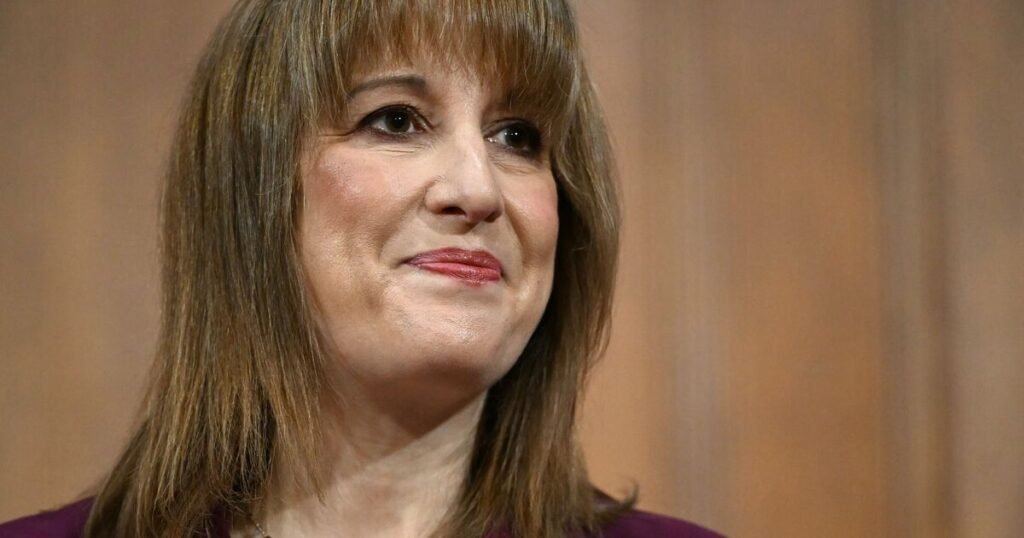
On Tuesday, the Chancellor gave a pre-Budget speech at Downing Street where she refused to rule out tax rises.
Ms Reeves said: “We will do what’s necessary to protect families, public services and hand down secure economy to the next generation. All have to contribute to that effort. Each must do our bit.”