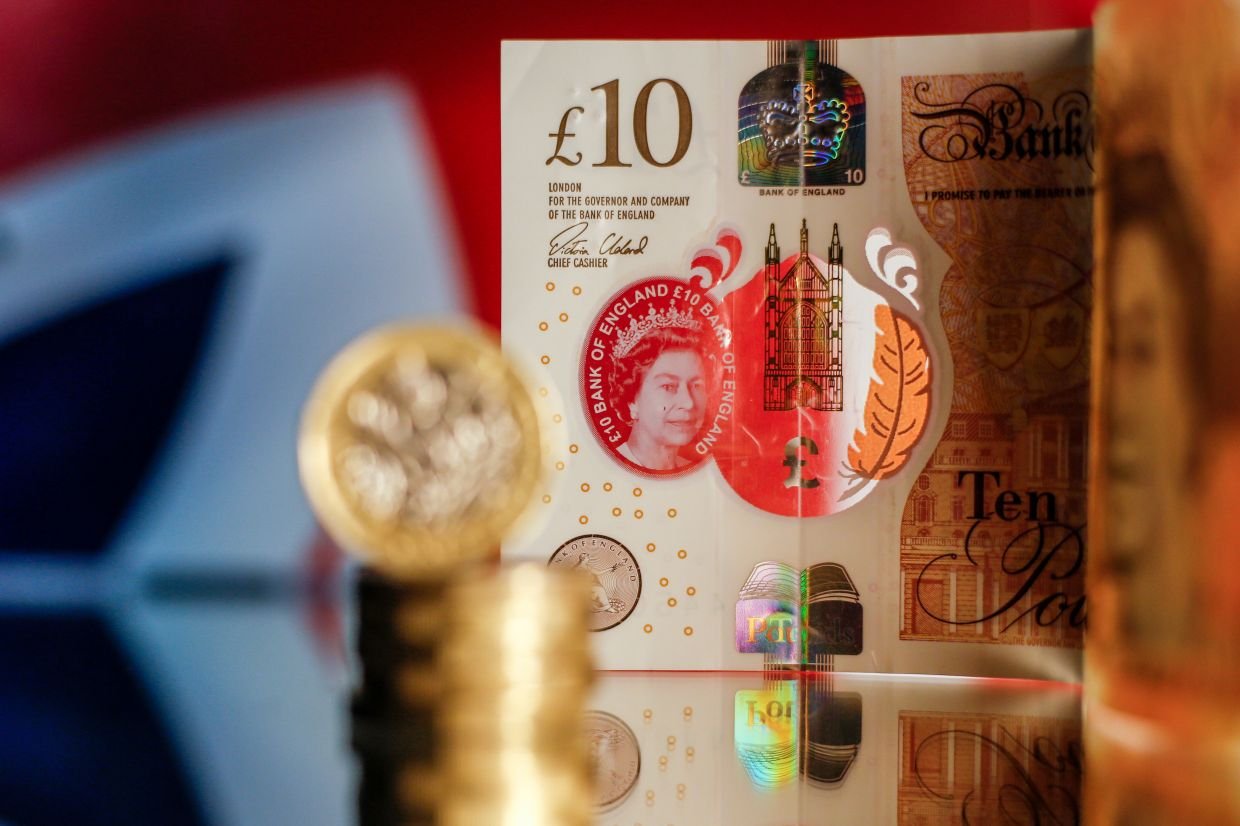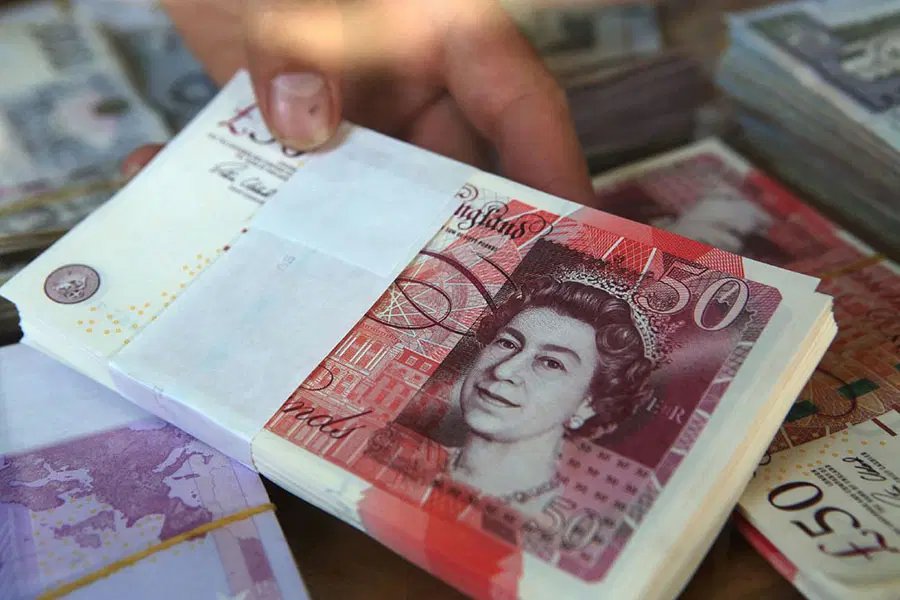
The British Pound Sterling experienced a downward adjustment against the Nigerian Naira during the early morning trading session today, April 3, 2026, as the local currency continued to show strength across major global pairs in the official and informal markets.
Official Market Performance (NFEM)
At the Nigerian Foreign Exchange Market (NFEM), the Pound Sterling opened the day’s session at ₦1,827.41. Real-time data from the morning hours shows a steady decline in the exchange rate, with the Pound dropping to ₦1,823.44 by 6:00 AM. This represents a 0.67 percent appreciation for the Naira since the start of the month, building on the positive momentum seen throughout the first week of the second quarter.
This strengthening of the Naira in the official window is largely attributed to improved transparency within the Electronic Foreign Exchange Matching System (EFEMS) and a consistent supply of foreign exchange from autonomous sources. Market analysts suggest that the Central Bank of Nigeria’s (CBN) recent focus on managing naira liquidity has successfully curbed excessive volatility for the GBP/NGN pair.
Parallel Market Trends
The parallel market mirrored the bullish trend of the Naira observed in the official window. In major trading hubs across Lagos, Abuja, and Port Harcourt, bureau de change operators quoted the Pound between ₦1,885 and ₦1,905 for selling.
While the Pound still carries a premium in the informal sector, the gap between the official and parallel rates has remained stable. Traders report that the demand for “invisible” transactions, such as foreign tuition and travel, is being adequately met through formal channels, which has significantly reduced the speculative pressure that typically drives the parallel market rates higher.
Economic Drivers and Global Context
Several key factors are influencing the Pound-to-Naira exchange rate as the week concludes:
UK Economic Sentiment: The Pound has faced minor headwinds on the global stage as investors react to mixed signals regarding the Bank of England’s future interest rate path.
Nigerian Reserve Stability: Despite minor fluctuations, Nigeria’s external reserves remain a strong pillar for the local currency, currently estimated at approximately $49.48 billion.
Remittance Inflows: The continued integration of International Money Transfer Operators (IMTOs) into the formal settlement framework has enhanced the availability of foreign currency, particularly the Pound and the Dollar, within the domestic banking system.
Market Outlook
As the market approaches the weekend, analysts expect the Pound to trade within the ₦1,820 to ₦1,840 range in the official window. The persistent narrow spread between market segments is seen as a sign of growing confidence in the CBN’s exchange rate unification policy. Investors will be keeping a close eye on the next round of inflation data, which will likely dictate whether the apex bank maintains its current hawkish monetary stance to further defend the Naira.