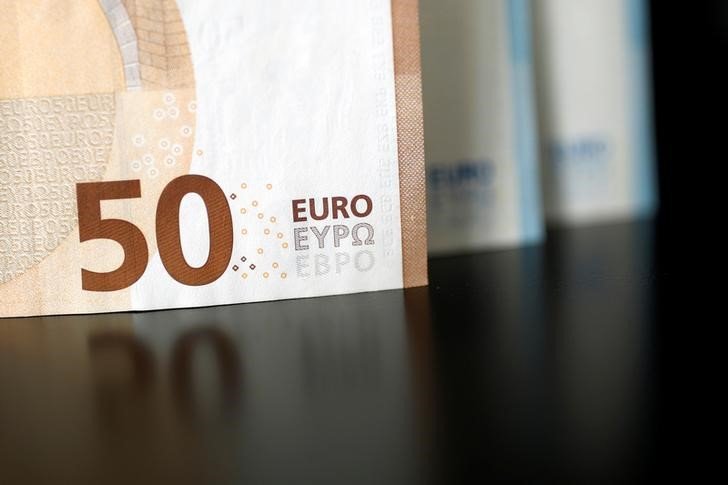

The Pound to Euro (GBP/EUR) exchange rate was little changed at the start of the week as disappointing German industrial data offset pressure on Sterling from rising UK borrowing costs.
At the time of writing, GBP/EUR was trading at €1.1575, virtually unchanged on the day.
Pound to Euro (GBP/EUR): 1.15637 (-0.09%)
Pound to Dollar (GBP/USD): 1.3347 (+0.09%)
Euro to Dollar (EUR/USD): 1.15422 (+0.18%)
DAILY RECAP:
The Euro (EUR) struggled to gain traction on Monday after Germany’s latest factory orders report pointed to a sharp deterioration in manufacturing demand.
Data released by Destatis showed factory orders contracted by 3.8% in April, significantly worse than forecasts for a 1.2% decline and a marked reversal from March’s 4.5% expansion.
The figures highlighted weakening demand from both domestic and international customers, reinforcing concerns that Germany’s industrial sector remains under pressure from elevated energy costs, geopolitical uncertainty and softer global growth.
Investors also worried that prolonged weakness in manufacturing could weigh on Germany’s wider economy during the second quarter, limiting support for the single currency.
Meanwhile, the Pound (GBP) also lacked momentum.

Sterling was constrained by a fresh rise in UK government borrowing costs, with 10-year gilt yields climbing to their highest levels in more than two weeks.
Higher yields reflected investor concerns over persistent inflation pressures, elevated energy prices and the prospect that major central banks may need to keep interest rates higher for longer.
With little notable UK economic data available, the Pound was left without a clear domestic catalyst and traded largely in response to broader market developments.
Near-Term GBP/EUR Forecast: Drop in German Industrial Production to Weigh on the Single Currency?
Attention now turns to Germany’s latest industrial production figures.
Should production data follow factory orders lower, the Euro could face additional pressure as investors reassess the outlook for the Eurozone’s largest economy.
However, any downside for EUR may prove limited as traders increasingly focus on the upcoming European Central Bank policy decision.
Markets broadly expect the ECB to raise interest rates again, with investors likely to scrutinise the bank’s guidance for clues on the pace of future tightening.
For Sterling, the key event remains Friday’s UK GDP release.
Economists expect economic growth to have slowed sharply at the start of the second quarter. A weaker-than-expected reading could undermine the Pound if it prompts investors to scale back expectations for future Bank of England rate hikes.
Until then, bond market movements, central bank expectations and broader risk sentiment are likely to remain the dominant drivers of GBP/EUR price action.