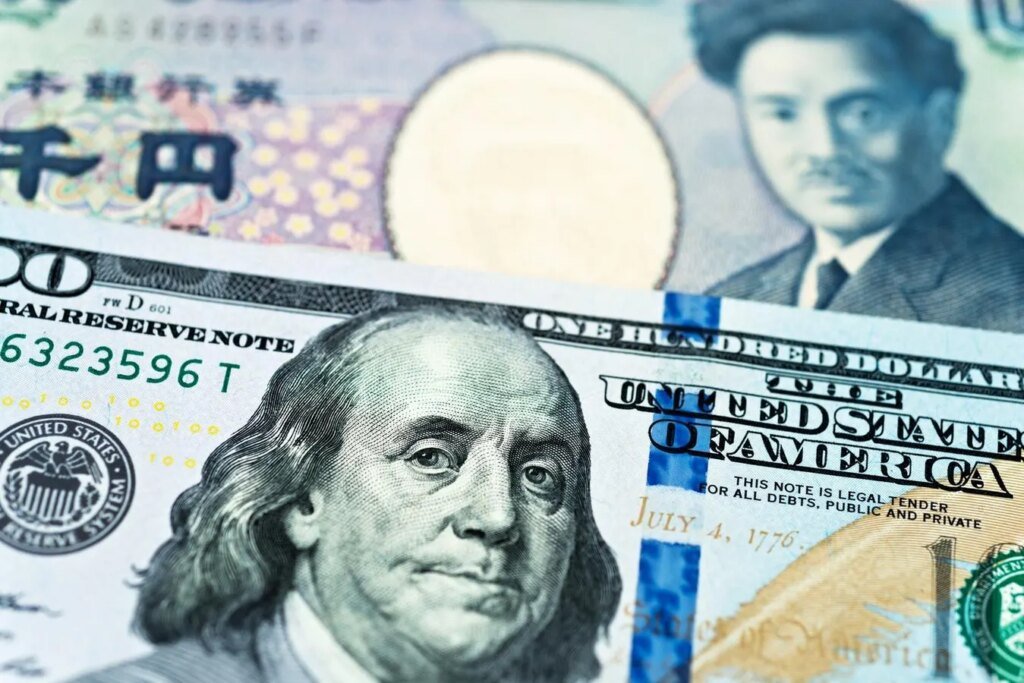

US dollars and Japanese currency background
getty
Every business in every industry faces risks to stay in business or even do its work; however, not every small business owner considers foreign currency rate risk as part of their risk mitigation strategy when doing financial planning.
If your business maintains inventory in a global supply chain, you should monitor how currency markets move because it can affect your bottom line.
On July 31, 2026, the United States bought Japanese Yen to prop up the Japanese currency. This was the first time since the Asian financial crisis of 1998 that the United States has done so, but why does this matter?
This purchase matters because it underscores an important business point. If you are a small business operator who relies on globally sourced goods for income, you should monitor foreign currency exchange rates to see how they affect the imports you purchase. Changes in currency valuation, along with tariffs, can shift your margins to the point that you must adjust prices to meet your operational needs.
While it’s true most small business owners are unlikely to monitor the foreign exchange market consistently, they are likely to watch their bid margins and inventory prices.
The yen, like many currencies, has been severely affected by energy costs due to the conflict in Iran; this will have a fundamental effect on Japanese products imported into the United States.
The Weak Yen Served as a Subsidy
The strength of the dollar against the weak Yen served as a subsidy for US importers of Japanese goods, but make no mistake: even a few points of change in the yen’s strength can make the difference between profitability and tight margins.
For example: a small business that relies on a 12% gross margin and has 20% landed costs doesn’t need the Yen to move 30% to feel a margin squeeze; it might take only a modest 4-5% change for the pain to set in.
Yen is One Variable. Energy is Another
Japan imports almost all of its oil, a crucial pricing factor. When energy costs increase dramatically, they affect all of Japan’s exports, meaning Japanese cars, machinery, boilers, electrical equipment, and more will rise substantially.
This matters because if you are a service-based business or manufacturer, wholesale prices move first, directly affecting how you price for customers. With higher energy prices at the pump, consumers are more price-sensitive about how they spend their money and what it costs. To stay competitive, monitor events like Yen strength or the strength of the currency in the market where you import your main product or equipment.
Building a Robust Supply Chain
Businesses of all sizes must build a robust supply chain, but small businesses make up the majority of importers. According to the US Chamber of Commerce, a staggering 97% of U.S. importers are small businesses. One benefit of being a small business owner today, living in such a technologically advanced era, is that it is easier than ever to build upstream supplier relationships. Many raw materials manufacturers market their willingness to eliminate the middleman and deal directly with local businesses looking to import their materials.
From my experience consulting with manufacturing firms, it is a good, practical operating habit to maintain 3 to 5 suppliers of the same or similar material, so you can operate without disruption and create RFPs to get the best import price.
Three Moves To Make To Bolster Your Firm’s Currency Exposure
First, run quarterly pricing analyses to monitor fluctuations that could affect your costs over the next 90 days. Review your top 10 SKUs or Top 3 services and ensure any equipment you plan to purchase or product you intend to make won’t face substantial price increases that could hurt your bottom-line profit.
Second, call your distributors quarterly to confirm current pricing; instead of relying on pricing from the previous 90 days, your bid could be off by 20% or more if you don’t actively monitor it.
Finally, see whether you can use any onshore distributors that will let you reclaim margins on materials that have increased in price due to a stronger Yen or another currency.
Great business operators do not rely on economic changes to protect their bottom line; instead, they proactively protect their margins and focus on gaining an edge where possible by looking around the corner, using experience, and monitoring signals.