[Editor’s Note: Follow the Khaleej Times live blog for the latest regional developments with the US-Israel-Iran ceasefire now in effect.]
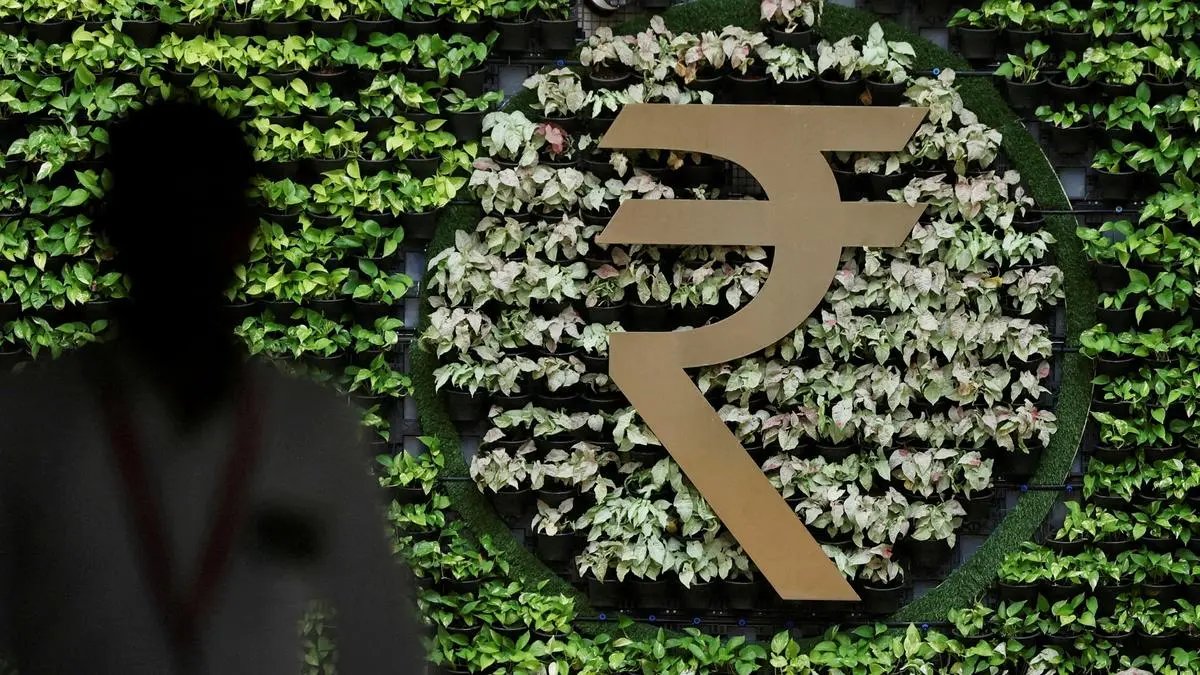
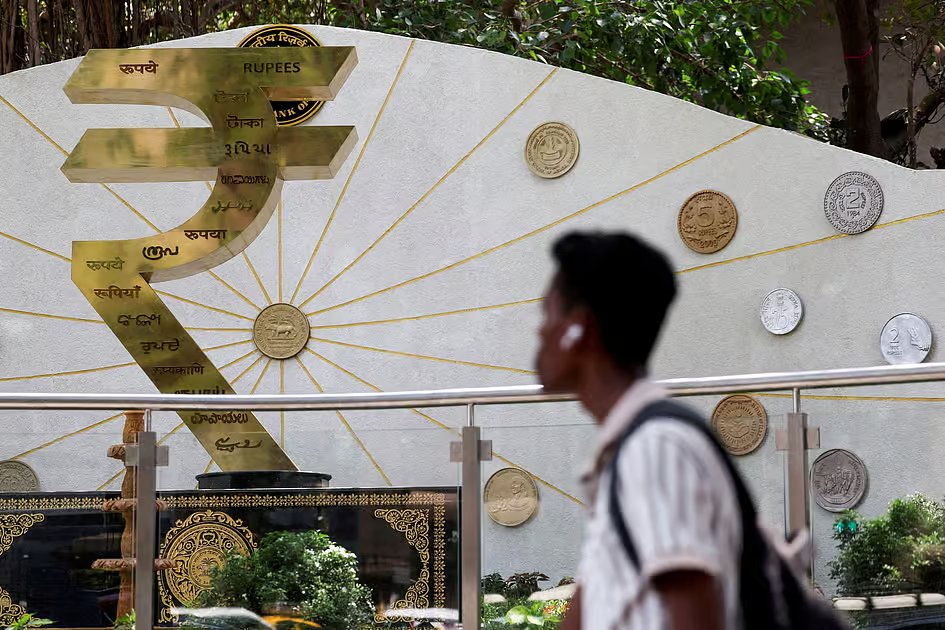
India’s rupee is facing its most severe test in recent memory, with economists warning that the currency could weaken to a record Rs98 against the US dollar, or to Rs96.70 against the dirham, by July and potentially breach the psychologically important Rs100 mark if the Middle East conflict drags on and oil prices remain elevated.
The warning comes as India’s currency struggles under the combined weight of soaring energy costs, heavy foreign fund outflows and mounting geopolitical uncertainty. The rupee, already Asia’s worst-performing major currency this year, was trading around Rs95.77 against the dollar this week after touching an all-time low of nearly Rs97 in May.
Stay up to date with the latest news. Follow KT on WhatsApp Channels
Analysts at BofA Securities believe the currency could weaken further as the economic fallout from the Middle East crisis intensifies.
The biggest threat remains India’s dependence on imported energy. The country imports nearly 90 per cent of its crude oil requirements and around half of its natural gas needs. As tensions in the Gulf threaten supply chains and keep oil prices elevated, India’s import bill is swelling rapidly, putting sustained pressure on the rupee and the country’s current account deficit.
The situation has been aggravated by a sharp exodus of foreign capital. Overseas investors have withdrawn approximately $27 billion from Indian markets this year, surpassing the previous annual record. Continued selling of Indian equities has increased demand for dollars, further weakening the domestic currency.
The Reserve Bank of India (RBI) has responded aggressively, reportedly selling billions of dollars from its reserves and intervening almost daily in the foreign exchange market to prevent a disorderly fall in the rupee. Traders estimate the central bank spent more than $1 billion a day during one recent two-week period defending the currency. Yet despite these efforts, analysts believe market fundamentals continue to favour further depreciation.
Adding an influential voice to the debate, Gita Gopinath, former first deputy managing director of the IMF, has argued that India should allow the rupee to adjust to economic realities rather than attempt to artificially hold it at a fixed level. She has endorsed the RBI’s broad strategy of allowing gradual depreciation while intervening selectively to curb excessive volatility.
According to Gopinath, exchange rates should act as shock absorbers during periods of global stress. She cautioned that defending the rupee too aggressively could become counterproductive if investors believe depreciation is ultimately unavoidable. She also rejected suggestions that the RBI should raise interest rates solely to support the currency, arguing that higher borrowing costs would further slow an economy already facing external shocks.
For millions of Indians living in the UAE, however, the rupee’s weakness is creating a financial windfall.
The UAE dirham, which is pegged to the US dollar, has strengthened dramatically against the rupee over the past two years. In 2024, one dirham averaged around Rs22.8 and rarely exceeded Rs23.4. Today, the exchange rate is hovering around Rs26.0-26.1 per dirham, representing a gain of nearly 15 per cent in favour of UAE-based earners.
The impact on remittances is substantial. A UAE resident sending Dh5,000 home each month would have received approximately Rs114,000 on average in 2024. At current exchange rates, the same transfer is worth about Rs130,000 — an increase of nearly Rs16,000 without any rise in salary.
If the rupee weakens to Rs98 per dollar as projected by BofA Securities, the dirham could appreciate to around Rs26.7. A slide to Rs100 per dollar would push the dirham close to Rs27.2, setting a new record and further boosting the value of remittances flowing from the Gulf.
This could trigger a fresh surge in remittance flows from the UAE, home to the largest concentration of Indian expatriates outside India. India already receives more than $125 billion annually in remittances, the highest in the world, with the UAE accounting for one of the largest shares. Historically, periods of rupee weakness have encouraged expatriates to accelerate transfers, increase deposits in NRE accounts and invest more aggressively in Indian property and financial assets.
Paradoxically, therefore, a weaker rupee may provide India with a temporary cushion through stronger remittance inflows even as it raises inflation, increases import costs and widens trade deficits. However, economists caution that remittances alone cannot offset the economic damage from sustained high oil prices and capital outflows.
Looking ahead, the rupee’s fate will depend largely on three factors: the trajectory of the Middle East conflict, global crude oil prices and the return of foreign investment flows. If geopolitical tensions ease and oil retreats below $90 a barrel, the currency could stabilise near current levels. But if the conflict intensifies and oil remains above $100, a move towards Rs98 — and perhaps even Rs100 per dollar — may become increasingly difficult to avoid.
For Indian expatriates in the UAE, that could mean record-breaking remittance gains. For India, it would signal a far more challenging economic landscape marked by higher inflation, costlier imports and slower growth.