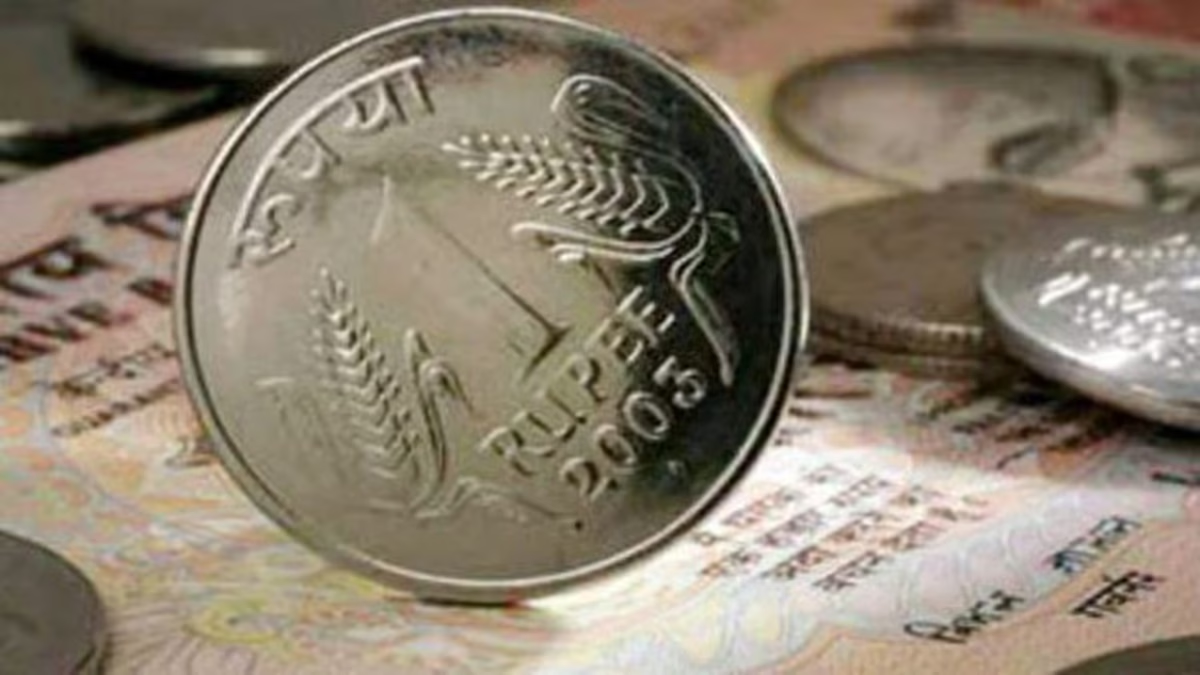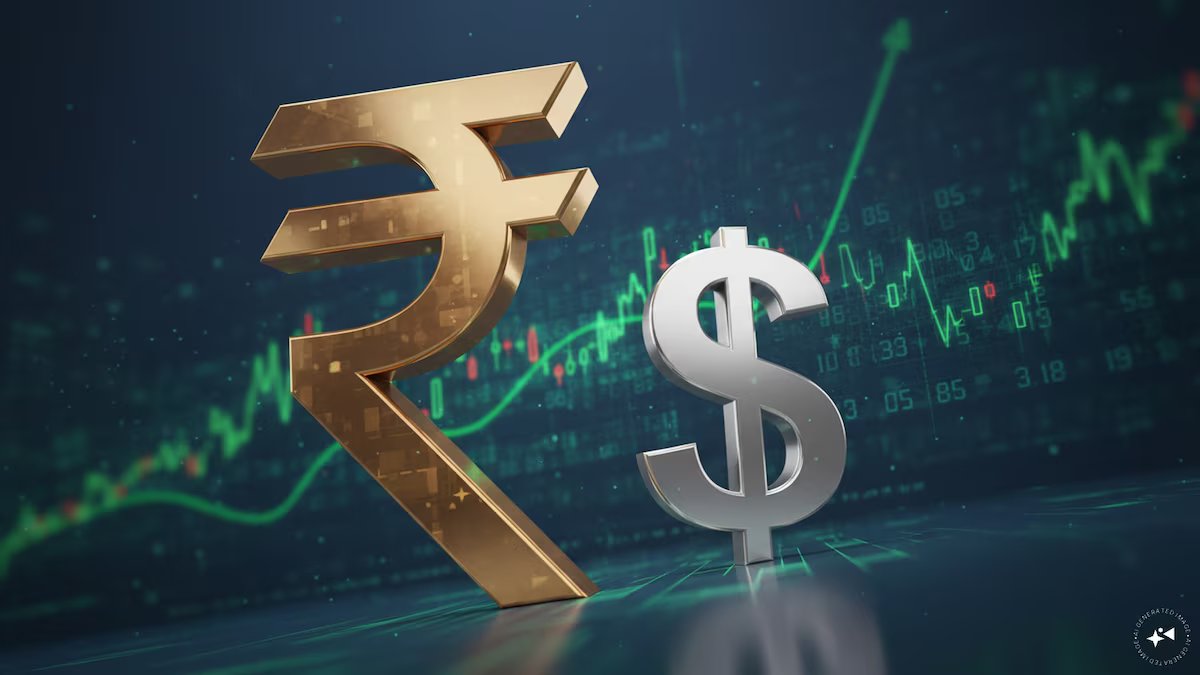
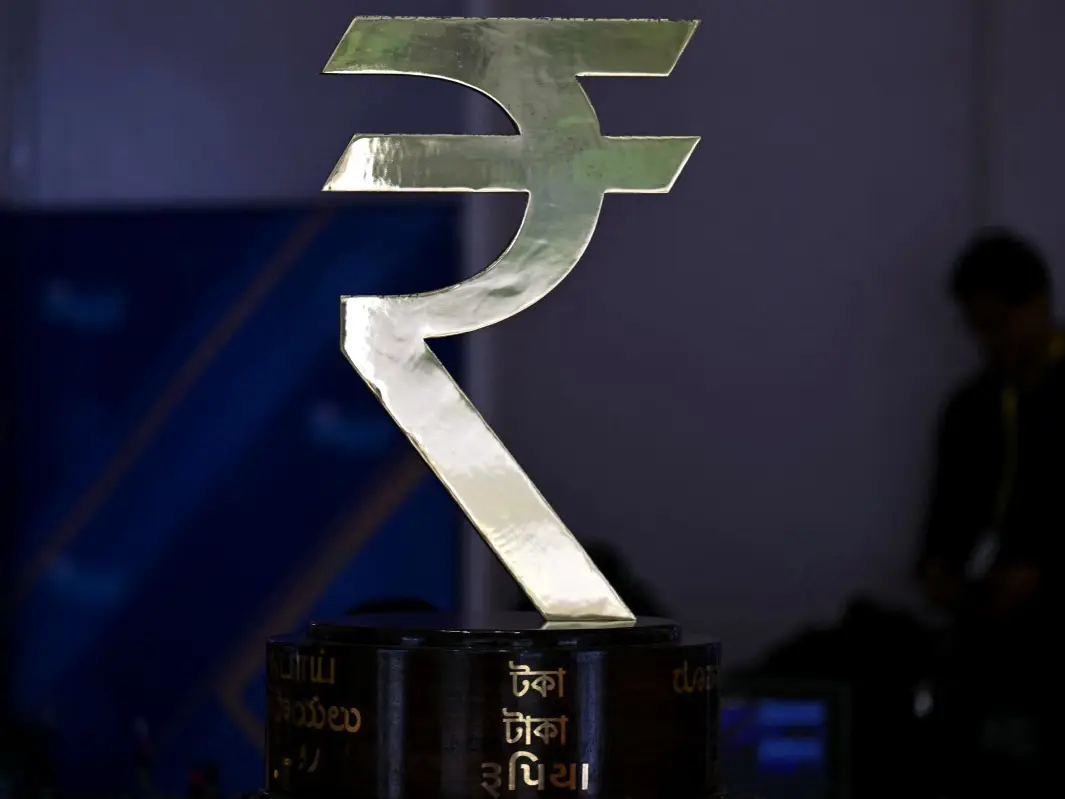
The Indian rupee has just touched its weakest level ever against the US dollar, and even though this may sound like some distant news from the stock market world, the truth is that it directly hits your home, your kitchen and your pocket. When the rupee falls sharply, the effect slowly spreads into fuel prices, inflation, imported goods, foreign travel and even your monthly grocery bill. So let us understand in very simple words what is happening and why everyone should know about it.
At present, the rupee has fallen to nearly 96 against one US dollar, which is the lowest level in India’s history. To put it simply, India now needs more rupees than before to buy the same one dollar. Earlier, if a product cost one dollar, you needed fewer rupees to pay for it, but today you have to spend almost 96 rupees for the same dollar. This may look like a small change on paper, but when a big country like India is buying goods worth billions from outside, this small change adds up to a massive financial pressure.
And we must understand that India imports a huge share of what it uses daily. The biggest example is crude oil. Our country imports nearly 90 percent of its oil needs, and we pay for this oil in US dollars. So when oil prices rise globally, and at the same time the rupee falls, India gets hit twice. First, the country needs more dollars to buy the same quantity of oil. Second, each of those dollars now costs more rupees. The result is that India’s import bill rises very sharply, and slowly this pressure flows down into petrol, diesel, transport charges and even prices of vegetables that are brought to your local market by trucks running on costly fuel.

Now the natural question is, why is the rupee falling so badly? There are three major reasons behind this situation. The first and the biggest reason is the Iran war. The rising tensions around the Strait of Hormuz have badly disturbed global oil and gas supplies. Many ships are unable to move smoothly because of the growing standoff between the United States and Iran, creating a kind of traffic jam of oil tankers in that important sea route. Because of this, global oil prices have crossed 100 dollars per barrel. For a country like India that depends heavily on imported energy, this becomes a serious economic shock. The impact spreads across the economy, touching factories, transport companies, small shops and finally your kitchen gas cylinder too.
The second reason is that foreign investors are pulling out their money from India. Large global investors have been selling Indian stocks and bonds in big quantities. When they sell, they convert their rupees back into dollars and take the money out of the country. More than 20 billion dollars was withdrawn just during March and April. So imagine so many big players suddenly cashing out at the same time. The demand for dollars shoots up, the supply of rupees increases in the market, and naturally the rupee becomes weaker.
The third reason is that the US dollar itself is becoming stronger across the world. Whenever the world feels tense, uncertain or fearful, global investors run towards what they see as the safest option, and the US dollar still remains that safe choice, just like gold. So when fear rises, money moves out of risky markets like India and rushes into dollar-based assets. This naturally pushes the dollar higher and pulls currencies like the rupee down.
Trending Stories
-
&im=FitAndFill=(700,400))
‘Sleep Deprived’: How the USS Abraham Lincoln crew survives endless night operations
-
&im=FitAndFill=(700,400))
‘Night Vision’: Why the USS Abraham Lincoln bans white flashlights on deck
-
)
‘Made in Pakistan’ fan donated to UP madrasa triggers probe
-
)
India’s Green Mirage: Northeast is quietly losing its forest cover while India celebrates gains
-
)
Cannes Film Festival 2026: Kalyani Priyadarshan dazzles in shimmer strapless gown on her first red carpet appearance
-
)
‘President Zi’ blunder goes viral as Trump campaign mocked over TikTok typo during China visit
-
)
Jana Nayagan release: CM Vijay takes action, asks producer to return from Cannes
-
)
Fact check: Trump caught on video taking a sneak peek at Xi Jinping’s private notebook? Clip goes viral | WATCH
-
&im=FitAndFill=(700,400))
What is the ideal car speed for maximum fuel savings?
-
)
‘US citizen since….’This is why Diljit Dosanjh can’t enter the political world in India!
-
)
Media house forced to delete story after PM Modi fact-checks misleading report on X: ‘Totally false’
-
)
Dhurandhar 2 OTT Release: Netflix announces ‘Raw & Undekha’ revenge version in US and Canada: What about India?
-
)
NEET-UG paper leak case: CBI arrests ‘kingpin’ chemistry professor from Pune
-
)
‘I won’t lie for money’: German model LizLaz exposes media plot to defame Virat Kohli
-
)
Noida protest accused was transferred Rs 1 crore in foreign currency to his bank account
-
)
Netherlands to return 11th-century Chola copper plates to India during PM Modi’s visit
-
&im=FitAndFill=(700,400))
How much fuel do frequent gear changes really waste?
-
)
Jana Nayagan on OTT: Vijay’s victory renews interest in his film, streaming platforms compete to get digital rights
-
&im=FitAndFill=(700,400))
Does cruise control really save fuel?
-
&im=FitAndFill=(700,400))
‘Robotic warfare’: How the Chengdu J-20 can rewrite the rules of aerial combat
-
&im=FitAndFill=(700,400))
How does India’s petrol, diesel price hike compare to global rates? BJP provides ‘context’ | In Pics
-
&im=FitAndFill=(700,400))
Indian rupee becomes Asia’s worst-performing currency- Who else is on the list?
-
&im=FitAndFill=(700,400))
Top 7 most economically stable countries in world: India & Pakistan ranking will surprise you
-
&im=FitAndFill=(700,400))
Petrol vs diesel: Which car engine really saves more money in daily driving?
-
)
Iran FM says Strait of Hormuz open to all vessels except nations ‘at war with us’; says Tehran has ‘no trust in US’
-
)
Watch | Thousands of bees ‘invade’ Trump’s White House; spark ‘biblical plague’ buzz online: ‘BLASPHEMERS will be dealt with – most definitely!’
-
&im=FitAndFill=(700,400))
New Friday OTT releases (May 15, 2026): Kartavya, Inspector Avinash, The WONDERfools- Watch 6 movies and TV shows on Netflix, Prime Video and more
-
)
Who won yesterday’s IPL 2026 match between Lucknow Super Giants vs Chennai Super Kings? Check result
-
&im=FitAndFill=(700,400))
36,000-pound thrust: 5 ways China’s J-20 fighter jet’s new engine can completely changes the aerial balance
-
&im=FitAndFill=(700,400))
‘Automatic cars vs manuals’: Which uses more fuel?
-
Ranveer Singh’s Dhurandhar trending #1 in Pakistan? Netflix crashes minutes after release, claim social media user
-
)
‘The sofa was clearly higher’: Here’s how social media reacted to Trump-Xi viral video
-
)
Five Italian divers killed in Maldives cave tragedy after scuba expedition turns deadly
-
)
Trump team dumped Chinese-issued phones, badges before boarding Air Force One in Beijing, claims US journalist
-
)
Scientists discover prehistoric humans built artificial islands 5,000 years ago
-
)
Antarctic cosmic dust proves Earth has been traversing through supernova debris for 80,000 years
-
&im=FitAndFill=(700,400))
Alia Bhatt’s Cannes 2026 fashion diary: From power dressing in black to embracing Disney princess glam
-
&im=FitAndFill=(700,400))
‘Ghost Targets’: How the USS Abraham Lincoln creates fake ships on enemy radar
-
&im=FitAndFill=(700,400))
‘Hydraulic Arms’: How the USS Abraham Lincoln pops up its emergency net
When you put all three reasons together, that is, costly oil from the Iran tensions, foreign money leaving India, and a stronger dollar globally, the pressure on the rupee becomes very heavy. It is like the rupee is fighting on three fronts at the same time.
Now let us understand what this means for your family. A weaker rupee is not just an abstract financial story. Over time, your daily commute can become costlier because of higher fuel prices. Foreign vacations, foreign education and foreign medical trips will become more expensive. Mobile phones, laptops, televisions and other electronic items may see a price hike because many of their parts are imported. Edible oil, imported fruits and certain medicines may also become costlier. In simple words, when the rupee falls sharply, India has to pay more to buy goods from the world, and slowly your monthly budget also starts feeling the heat.
The Reserve Bank of India is actively trying to fight this fall. It has been selling dollars from India’s foreign exchange reserves to support the rupee and stop sudden panic in the market. Think of it as damage control, slowing and smoothing the fall but not fully reversing it.
The Narendra Modi government has also stepped in by raising import duties on gold and silver, because gold buying drains a huge amount of dollars from India. The aim is to reduce non-essential imports and save dollars for more important needs like oil. But honestly, these are only short-term shock absorbers and not a permanent solution.
If oil prices stay high and foreign money keeps flowing out, the rupee will remain under pressure for some more time. The good news is, this is not an emergency yet. India’s financial system is still stable, and the RBI is working hard. But a little financial discipline from our side, like avoiding unnecessary imported luxuries, can also play a small but useful role during these difficult times.