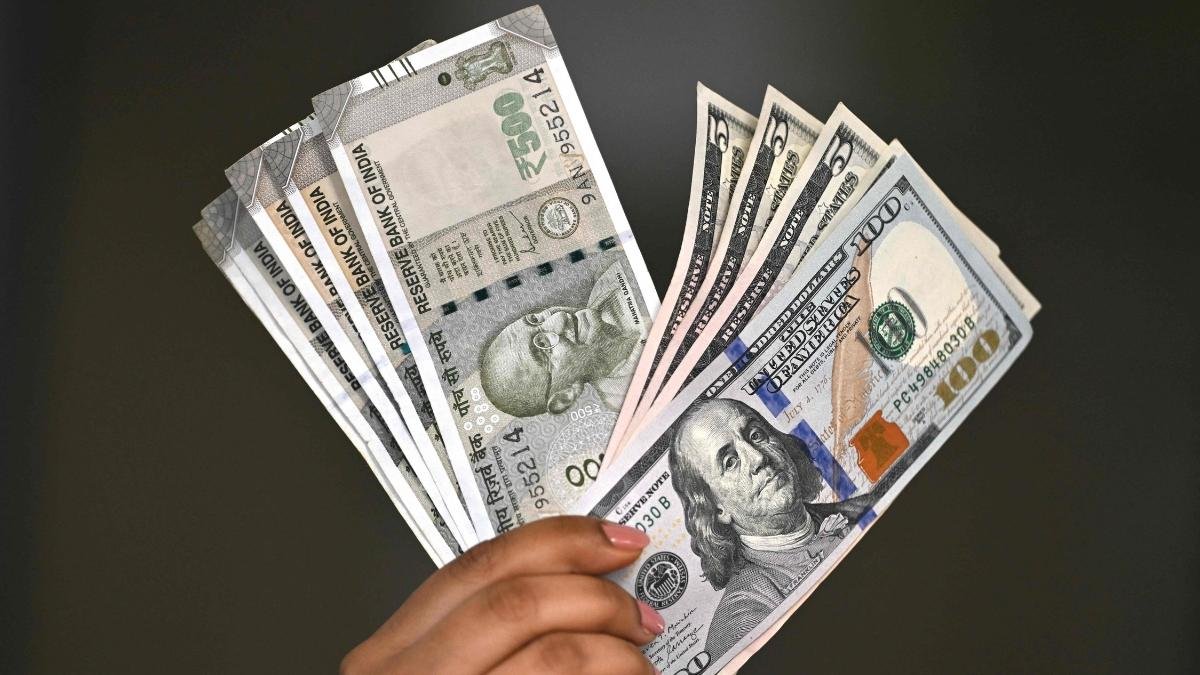
Citigroup Inc. says its Indian corporate clients are expecting the rupee will keep weakening and are looking for products that will enable them to profit from its volatility.
“Clients seem to have a view that the rupee will depreciate in line with interest-rate differentials over the medium-to-long term,” Vandana Bhatter, Singapore-based head of corporate foreign-exchange sales for Asia Pacific at Citigroup, said in an interview in Mumbai. “This has shifted corporate thinking toward structures that offer protection while allowing participation in larger rupee moves.”
Citi’s corporate customers are becoming more interested in non-leveraged exotic option structures rather than simple call or put combinations or spreads, while they’ve also stepped up their hedging activity using a mix of forwards and options, she said.
The switch in strategy indicates how some investors are responding to the renewed volatility in global financial market since the start of the Iran war pushed up global energy prices, and boosted bets on higher Federal Reserve interest rates.
The rupee has weakened about 11% against the dollar over the past year, the worst-performing Asian currency over the period, according to data compiled by Bloomberg. The currency has slumped due to the impact of higher US tariffs placed on India last year, rising oil prices from the Iran war, and also from strength in the dollar on expectations of higher Fed rates.
Citigroup sees the rupee trading in a band between 92-and-97 per dollar, with its path heavily influenced by the broader trajectory of the greenback, Bhatter said. The Indian currency was at 96.33 on Thursday.
The rupee slid to a record low 96.965 per dollar in May, before recovering some losses after the authorities announced steps to attract foreign capital. However, renewed Middle East tensions and more hawkish signaling from the Fed have once again started to boost the US currency.
“Dollar conviction is building once again,” Sam Hewson, global head of foreign-exchange sales at Citigroup in London, said in the same interview. “Real money asset managers, who are structurally short dollars due to passive hedging activities, have stopped increasing their short positions and have instead become natural buyers of dollars over the past few weeks,” he said.
(Updates to add location of interview in second paragraph.)
More stories like this are available on bloomberg.com
©2026 Bloomberg L.P.
Published on July 16, 2026