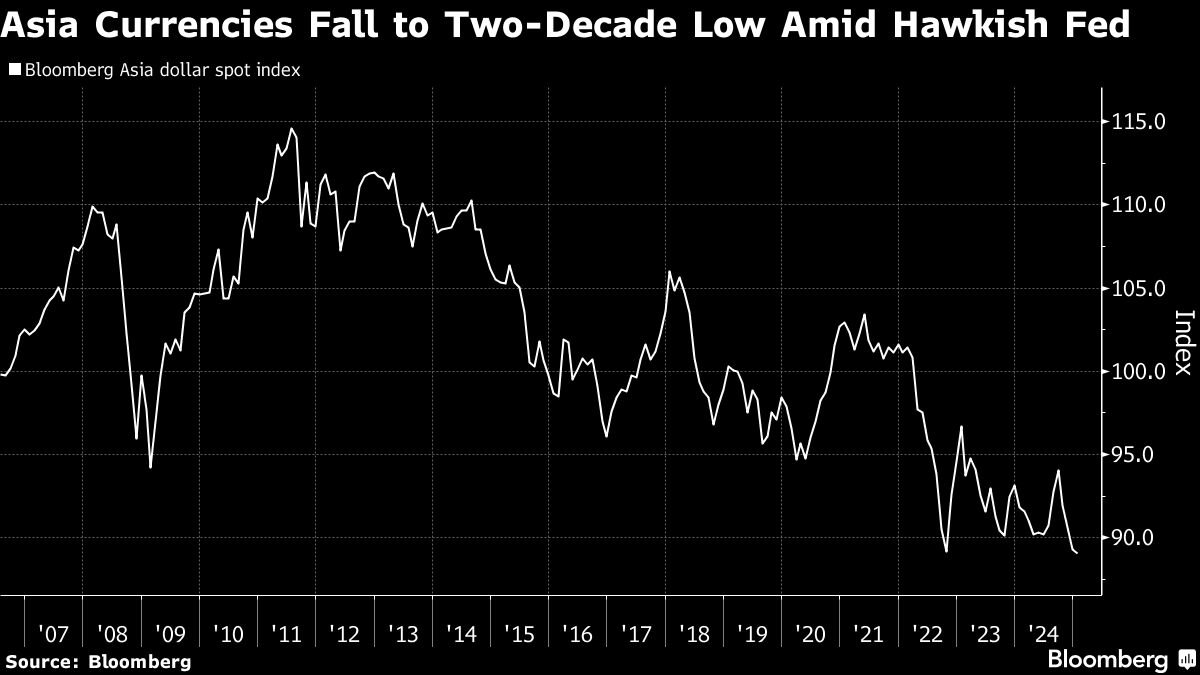
Asian stocks opened the final month of 2025 on a steady note, supported by growing optimism over potential U.S. interest rate cuts. The yen strengthened in early trading as investors closely monitored comments from Bank of Japan Governor Kazuo Ueda, who said the central bank will weigh the “pros and cons” of a rate hike at its upcoming December policy meeting. His remarks briefly lifted the yen to 155.64 per dollar, keeping currency markets on alert as speculation over Japan’s next move intensifies.
MSCI’s broadest index of Asia-Pacific shares outside Japan held near 703.19, up 23.5% this year and on track for its strongest annual performance since 2017. Japan’s Nikkei slipped 1.3% in early trade, while Hong Kong’s Hang Seng Index advanced more than 1%, helping lift broader regional sentiment. U.S. stock futures were softer during Asian hours, signaling some caution ahead of key economic data releases.
Analysts say improving risk appetite is driving investors into December with a positive bias. Chris Weston of Pepperstone noted that fading market fears have given way to concerns about missing out on potential gains. This week’s U.S. economic calendar—covering manufacturing, services, and consumer sentiment—could shape expectations for the Federal Reserve’s next steps. Markets are currently pricing in an 87% chance of a rate cut later this month, bolstered by recent dovish comments from policymakers.
Holiday shopping data is also in focus after U.S. consumers spent a record $11.8 billion online on Black Friday, a 9.1% increase from last year, according to Adobe Analytics. Meanwhile, the yen’s recent volatility and fiscal concerns under Prime Minister Sanae Takaichi have kept Japan’s currency near intervention levels, prompting repeated warnings from officials.
In commodities, oil prices inched higher after OPEC+ opted to maintain current output levels for the first quarter of 2026. Brent crude rose to $63.03 per barrel, while U.S. West Texas Intermediate traded at $59.16, both up nearly 1% as traders weighed supply risks against weakening demand.