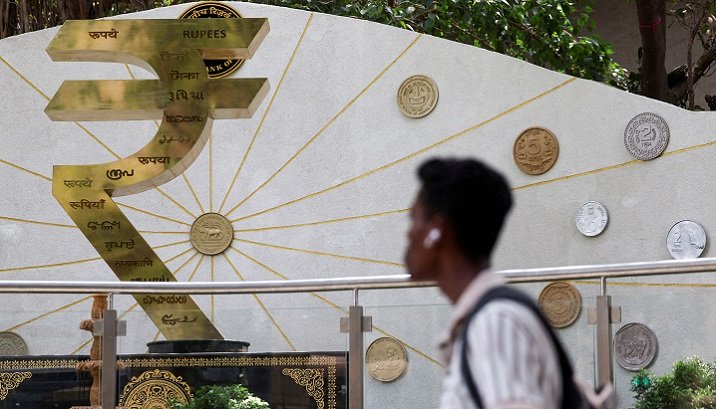
NEW DELHI, May 12: The Indian rupee fell to an all-time low on Tuesday, pressured by expectations of prolonged high crude oil prices, persistent portfolio outflows, and weakening investor sentiment.
The currency opened at 95.50 against the U.S. dollar, slipping past its previous record low of 95.4325 hit last week.
It extended losses to 95.6250, bringing its decline since the outbreak of the Iran war to 5.2%. The central bank intervened to smooth volatility and curb further depreciation.
The rupee, along with other currencies of oil-importing nations, has been among the hardest hit following a 46% surge in Brent crude prices triggered by the conflict. The Philippine peso and Indonesian rupiah have also come under significant pressure.
Earlier, Indian Prime Minister Narendra Modi has appealed to citizens to adopt austerity measures, including working from home, reducing gold purchases, and limiting foreign travel, in response to surging global energy prices driven by the ongoing crisis in the Middle East.
The proposed measures include encouraging businesses and employees to adopt work-from-home arrangements where possible to reduce commuting, and promoting greater use of public transport such as metros, carpooling, and electric vehicles, to cut fuel consumption.
Modi also urged citizens to reduce foreign travel for at least a year to conserve foreign exchange, while promoting the use of “Swadeshi” or Indian-made products to support the domestic industry and reduce import dependence. He further called for a rethink on gold purchases, noting that gold imports significantly contribute to India’s trade deficit.
Additional suggestions included cutting the use of imported edible oils, reducing cooking oil consumption, and shifting towards natural farming practices to strengthen long-term food security and environmental sustainability.
Speaking at a public event in Hyderabad on Sunday, Modi said the austerity drive—reminiscent of Covid-era behavioural shifts—was aimed at reducing fuel consumption and conserving foreign exchange reserves.
India imports nearly 90% of its crude oil, and its import bill has surged following the conflict involving Iran and Israel, which has disrupted global energy flows. The closure of the Strait of Hormuz, a key Gulf shipping route, for more than two and a half months has further tightened supply.
Analysts described Modi’s appeal as the most far-reaching yet, warning of continued economic pressure. “Patriotism is not only about the willingness to sacrifice one’s life on the border. In these times, it is about living responsibly and fulfilling our duties to the nation in our daily lives,” Modi said. “In the current situation, we must place great emphasis on saving foreign exchange,” he added.
He also urged greater use of public transport, including metro systems, and encouraged carpooling to conserve fuel. Farmers were advised to reduce fertiliser use by half as part of broader conservation efforts.
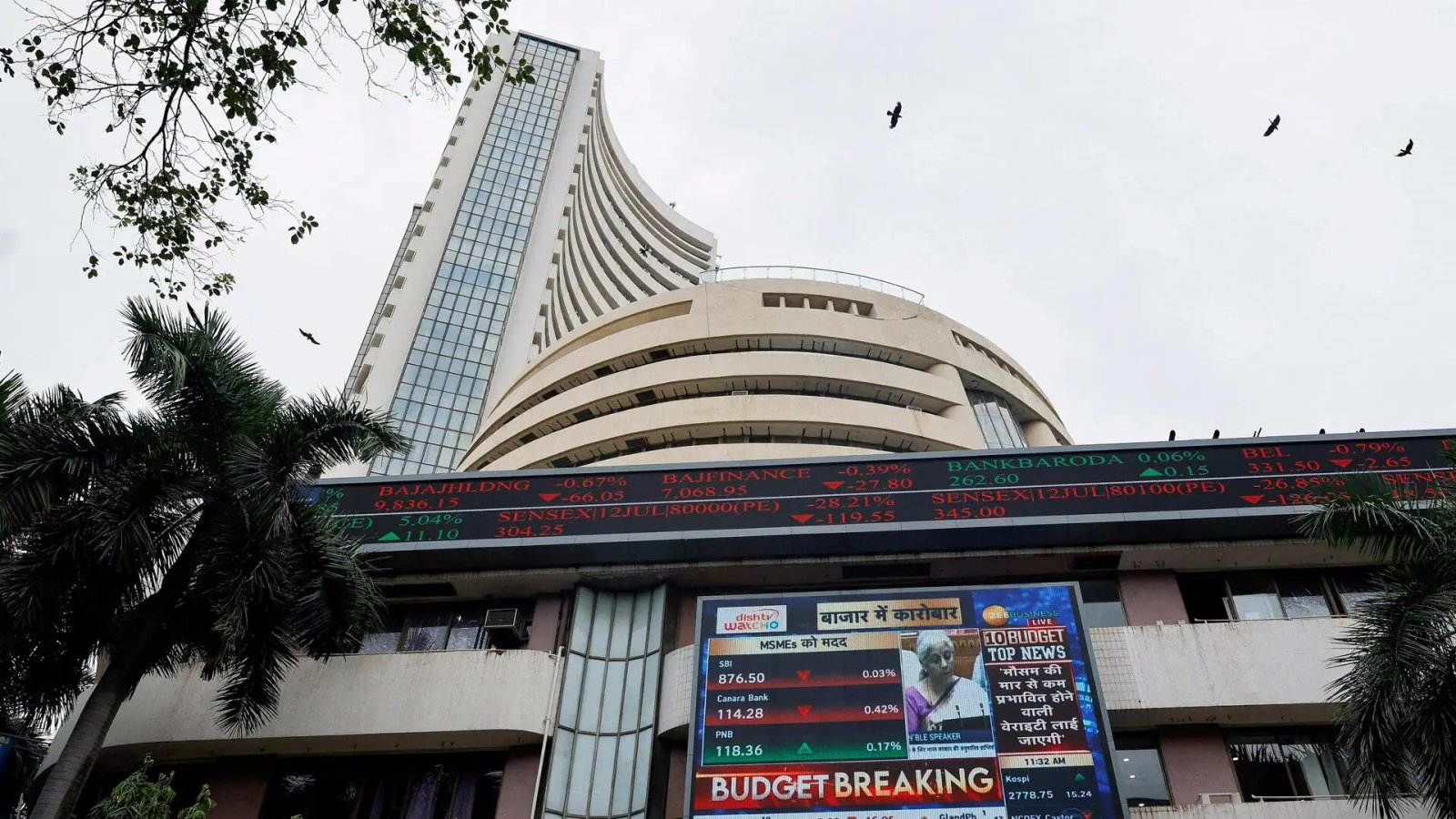
The announcement triggered market concerns, with India’s benchmark Sensex index falling more than 1,000 points in early trade on Monday, as investors feared prolonged economic disruption.
India has so far avoided raising retail petrol and diesel prices despite pressure on state-run fuel retailers. However, the extended conflict and supply disruptions have begun to strain the broader economy.
The impact is increasingly visible across industries, with job losses feared in sectors such as glass, plastics, and tile manufacturing. Falling fertiliser availability has also raised concerns over lower agricultural output and rising food prices.
The Indian rupee has been among the most affected, hitting record lows in recent weeks, increasing import costs and adding inflationary pressure.
Analysts said Modi’s remarks signal the possibility of future government directives to curb energy consumption, and potentially a revision in fuel prices.
Opposition leaders criticised the statement, accusing the government of shifting responsibility to citizens. Congress leader Rahul Gandhi said the comments reflected “failure in planning” and added that the government was “escaping accountability.”
“These aren’t sermons — they are proofs of failure,” he said in a post on X.
The broader crisis, triggered by the war in Iran and disruption of the Strait of Hormuz, has affected economies globally, particularly in Asia. The International Energy Agency (IEA) has called it the “largest supply disruption in history.”
Several countries have already introduced mitigation measures. China ordered refineries to temporarily halt fuel exports, while some airlines reduced flights amid rising jet fuel costs. In Australia, some states reduced or waived public transport fares to discourage private vehicle use. The Philippines declared a national emergency, introducing subsidies for transport workers and reducing public service schedules. Sri Lanka also imposed fuel rationing and shifted to a four-day work week for parts of the public sector.