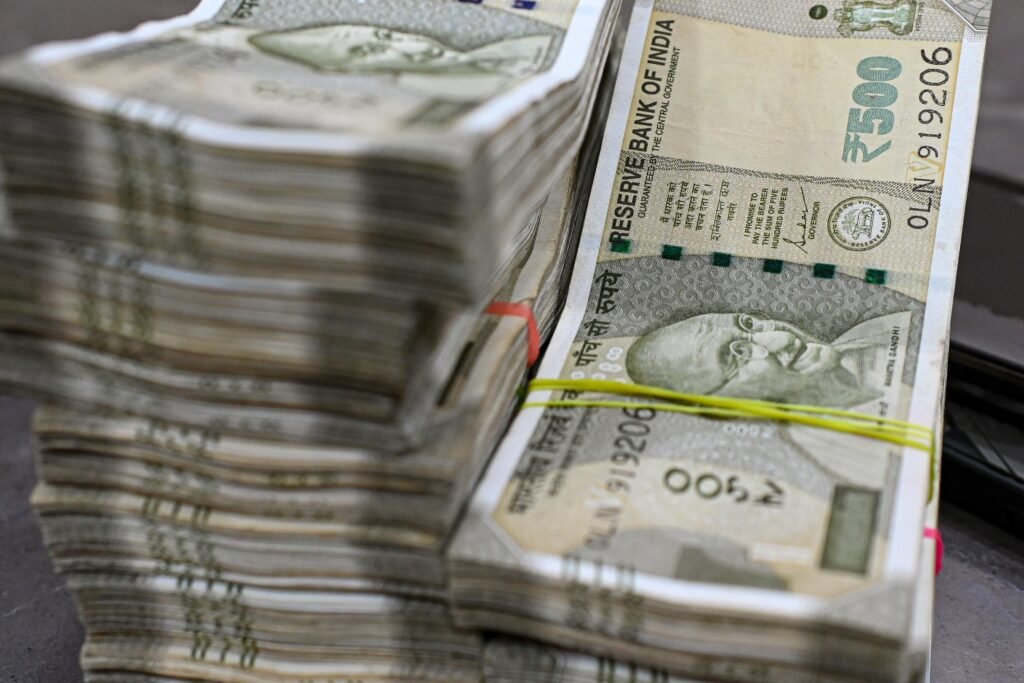
In absolute terms, CIC grew by ₹4.44 trillion in FY26, the highest since the post-demonetisation year of 2017-18.
In 2017-18, CIC grew by ₹4.94 trillion as the Reserve Bank of India (RBI) infused cash into the economy after the November 2016 demonetisation exercise rendered 86 per cent of the cash in circulation invalid by withdrawing the then ₹500 and ₹1,000 banknotes.
A ₹2,000 denomination banknote was introduced following the demonetisation exercise, which was also decided to be withdrawn in May 2023, though it continued to be legal tender. Latest data showed 98.45 per cent of the ₹2,000 banknotes in circulation as on May 19, 2023, has since been returned.
According to the latest data published by the RBI, ‘currency with public’ (CWP) has grown to ₹40.52 trillion as of March 15, 2026, rising by ₹4.2 trillion in FY26. The pandemic year — FY21 — saw CWP growing by ₹4.6 trillion.
The rise in currency in circulation is despite record growth in digital transactions.
“Digital payments are changing how India transacts, not how it stores value,” said Soumya Kanti Ghosh, group chief economic adviser, State Bank of India. “Rising CiC alongside surging UPI reflects persistent precautionary demand and informal sector dynamics,” Ghosh told Business Standard.
UPI transactions witnessed a 21 per cent rise in value to ₹314.23 trillion in FY26, while the number of transactions was up by 30 per cent to 241.616 billion.
“The CWP, which is 97.6 per cent of the CIC, also reached an all-time high of ₹ 40.6 trillion in FY26, with a Y-o-Y growth of 12 per cent,” Ghosh said. At the same time, he highlighted that currency in circulation as a percentage of gross domestic product has declined to 12.1 per cent in FY26 from 14.4 per cent in FY21.
SBI, in a report published in February after CIC hit ₹40 trillion, noted that per-month cash withdrawal from ATMs could surpass the long-term average of ₹2.5 lakh, with states like Karnataka, Tamil Nadu and West Bengal showing an increasing trend in cash withdrawals at ATMs. Tax departments of some state governments issued goods and services tax (GST) notices to small traders and vendors for Unified Payments Interface (UPI) transactions exceeding the ₹40 lakh registration threshold between 2022 and 2025, which might have acted as a disincentive to UPI transactions.
The revival of the rural economy, which started a few quarters ago, also aided currency demand.
“The rise in CIC is driven by rural recovery supported by two consecutive years of normal monsoons,” said Gaura Sen Gupta, chief economist, IDFC First Bank. “The rural economy tends to be cash-intensive. The rise in currency leakage comes at a time when UPI transactions continue to grow,” she said.
A survey by Nabard in December 2025 showed a broad-based revival in rural demand, rising incomes and improved household well-being over the past year.