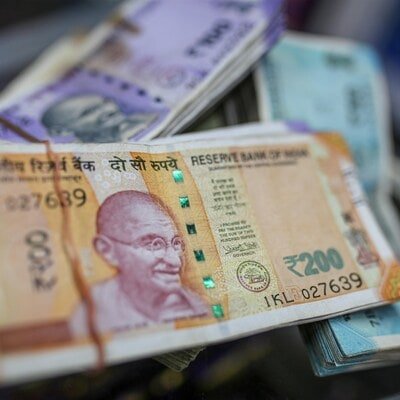
The Indian rupee logged its sharpest weekly decline in three years on Friday weighed down by persistent uncertainty surrounding US-Iran peace talks, which continue to keep oil prices elevated. The domestic currency fell to 94.25, down 14 paise or 0.15% from the previous close.
Over the week, the rupee fell 1.43%, surrendering gains led by the Reserve Bank of India’s forex interventions.
Policy Shifts
The rupee’s decline started with the RBI’s reversal of some of the forex market restrictions. On April 20, the RBI rolled back some forex curbs by withdrawing its circular barring banks from offering certain derivative contracts to resident and non-resident clients, now allowing cancellation or rebooking as well. This pressure intensified further with crude oil prices climbing amid the fragile US-Iran ceasefire. Crude oil prices surged 20% to $107 per barrel during the week.
In the current financial year, the rupee depreciated nearly 4.9% and continues to be the worst-performing Asian currency.
“The market saw heavy buying interest today (Friday), driven by equity sell-offs and importers hedging amid fears of war uncertainties,” said a dealer at a state-owned bank.
Market Sentiment
Dealers said that the RBI has intervened through its dollar sales and capped further depreciation.
“There has been an increased demand in the market for the past three to four days amid rising oil prices and a stronger dollar index. The RBI sold dollars at 94.30 today (Friday), capping the rupee below those levels temporarily, while importers stepped in to buy every dip,” said Anil Kumar Bhansali, head of treasury, Finrex Treasury Advisors LLP.
Currency traders said that oil prices will now drive the rupee’s movement, while the RBI is expected to curb excess volatility. Bhansali expects the rupee to trade between 93 and 95, with downside supported by dollar demand due to equity sell-offs, elevated oil prices, and the RBI’s short forward positions. “Until there is concrete news on peace talks, market sentiment remains cautious.”
“Reports of possible diplomatic engagement, including Pakistan facilitating renewed negotiations between Iran and the United States, have led to a slight cooling in crude oil prices. If this trend sustains, it could ease one of the key pressure points for the rupee by reducing oil-driven dollar demand,” said Amit Pabari, managing director, CR Forex.