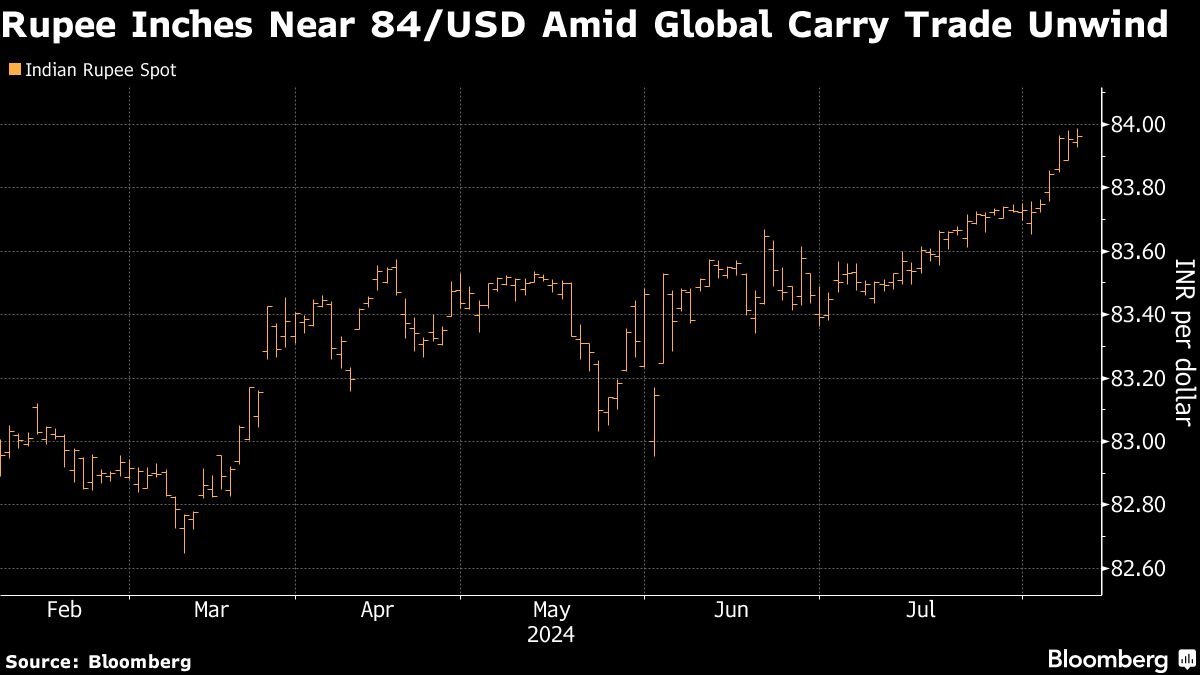
“After stumbling to a historic low, the rupee recouped some ground, anchored by central bank support and a pullback in oil benchmarks. Though the rupee stabilised, the overarching momentum stays skewed to the downside,” Parmar said.
He added that spot USD/INR faces resistance near 92.50, while support is seen around 91.60.
Several factors have contributed to the rupee’s weakness in recent sessions. The sharp jump in oil prices has raised concerns over India’s trade deficit, while rising geopolitical tensions involving the United States, Israel, and Iran have driven safe-haven demand for the dollar, pushing the US Dollar Index to around 99.50, its highest level in 2026.
Foreign capital outflows have also added to pressure on the local currency. On March 12, 2026, Foreign Institutional Investors were net sellers in Indian equities, offloading shares worth ₹7,049.87 crore, according to provisional data. So far in 2026, FIIs have withdrawn ₹46,166.58 crore from Indian markets.
The rupee’s decline also mirrored weakness across regional currencies as global investors moved toward the safety of the dollar amid heightened geopolitical and economic uncertainty.
(DISCLAIMER: The views and opinions expressed by investment experts on fortuneindia.com are either their own or of their organisations, but not necessarily that of fortuneindia.com and its editorial team. Readers are advised to consult certified experts before taking investment decisions.)