Last Updated:
Tensions in West Asia hit Indian markets, pushing the rupee to a record low of 92.17 per dollar and erasing Rs 9.7 lakh crore in investor wealth.




Escalating tensions in West Asia rattled Indian financial markets on Wednesday, pushing the rupee to a historic low and triggering a sharp sell-off in equities.
Escalating tensions in West Asia rattled Indian financial markets on Wednesday, pushing the rupee to a historic low and triggering a sharp sell-off in equities. The Indian currency breached the 92-per-dollar mark for the first time, while nearly Rs 9.7 lakh crore of investor wealth was wiped out in just two trading sessions amid fears that the widening conflict involving Iran, the US and Israel could disrupt global oil supplies.
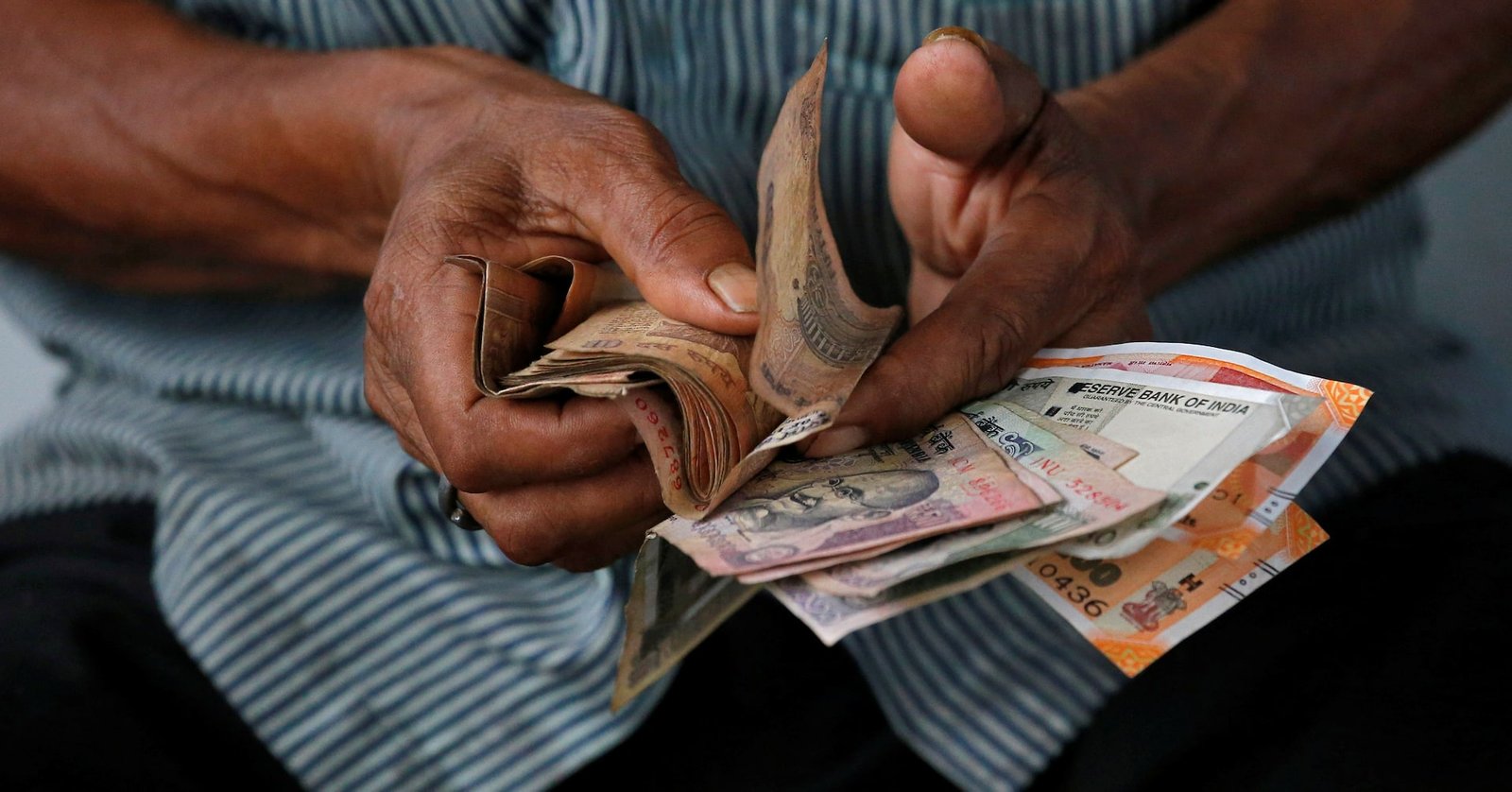
Rupee Hits Record Low
The Indian rupee on Wednesday slumped 68 paise to an all-time low of 92.17 against the US dollar in early trade, even as the ongoing conflict between the US, Israel and Iran deepens.
The widening Middle East conflict threatens to hit India through multiple external channels. The country imports more than 80% of its crude oil needs, making the rupee highly sensitive to oil price shocks that swell the import bill, widen the current account deficit and quicken inflation.
At the same time, heightened risk aversion could trigger foreign portfolio outflows from Indian equities, while any disruption to economic activity in the Middle East risks weighing on remittance inflows from Indians working in the region.
The latest fall comes after the rupee had already touched record lows near 91.99-92.02 in January 2026. Rising oil prices, capital outflows and global risk aversion have intensified pressure on the domestic currency.
Nearly Rs 9.7 Lakh Crore Wealth Wiped Out
The sharp fall in markets led to a massive erosion in investor wealth.
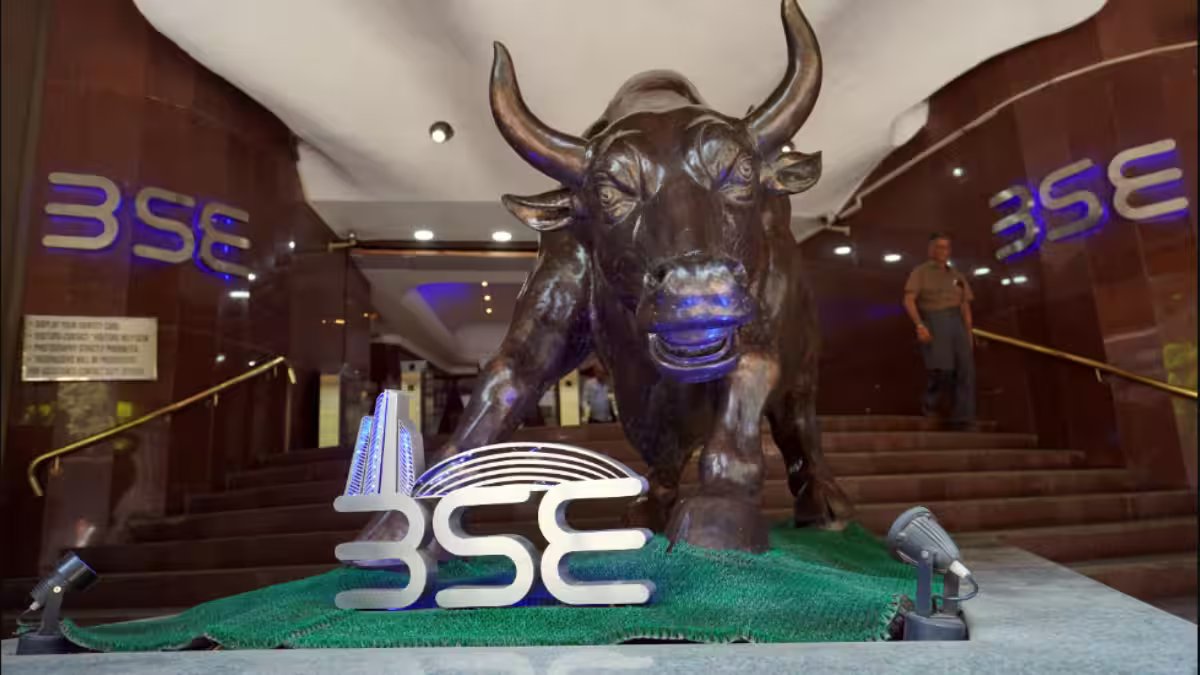
The total market capitalisation of BSE-listed companies declined from Rs 456.17 lakh crore on Monday to Rs 446.47 lakh crore, erasing nearly Rs 9.7 lakh crore in value over two sessions.
Benchmark indices also came under heavy selling pressure.
The Sensex plunged about 1,710 points to 78,529, its lowest level since April last year, while the Nifty 50 fell nearly 477 points to 24,389, slipping below the 24,400 mark for the first time in almost seven months.
Oil Prices Surge Amid War Fears
Investor sentiment turned sharply negative after the United States and Israel launched military strikes on Iran, triggering retaliatory attacks across the region.
The escalating conflict has raised concerns about disruptions to energy supplies from the Gulf.
Global oil prices surged in response. Brent crude rose to around $82.5 per barrel, its highest level in more than a year, while US West Texas Intermediate climbed above $75 per barrel.
Shipping disruptions in the Strait of Hormuz, a key global oil transit route, have further heightened supply concerns.
Why Rising Oil Is A Big Risk For India
Higher crude prices pose a direct challenge for India’s economy.
The country imports nearly 85 percent of its crude oil requirements, making it vulnerable to oil price shocks. A sustained rise in crude can push up inflation, widen the trade deficit and put further pressure on the rupee.
VK Vijayakumar, Chief Investment Strategist at Geojit Investments Limited, said inflation remains the biggest risk for India.
“From India’s perspective the real concern is inflation and its impact on growth,” he said, adding that a prolonged conflict could weaken the rupee further and impact corporate earnings.
FIIs Continue To Sell
Foreign institutional investors also added to the pressure on markets.
According to NSE data, FIIs sold equities worth Rs 3,295.64 crore in the previous session, while domestic institutional investors bought Rs 8,593.87 crore.
The selling was broad-based across sectors.
Shares of Larsen & Toubro, IndiGo, Adani Ports, Mahindra & Mahindra and Bajaj Finance fell between 3 percent and 6 percent, while Infosys, BEL and HCLTech showed some resilience.
Don’t Panic, Say Experts
Despite the sharp correction, experts advise investors to stay calm.
“Markets have an uncanny ability to climb walls of worry,” Vijayakumar said. “Long-term investors with higher risk appetite can gradually accumulate quality stocks during corrections.”
Global markets also remained under pressure, with South Korea’s Kospi index plunging more than 12 per cent, reflecting the widening impact of the Middle East conflict on financial markets worldwide.
 Click here to add News18 as your preferred news source on Google.
Follow News18 on Google. Join the fun, play games on News18. Stay updated with all the latest business news, including market trends, stock updates, tax, IPO, banking finance, real estate, savings and investments. To Get in-depth analysis, expert opinions, and real-time updates. Also Download the News18 App to stay updated.
March 04, 2026, 11:28 IST
Read More