Real Money, a free weekly newsletter giving expert tips on how to save, invest and make the most of your money, is sent every Sunday. You’re reading an excerpt − sign up to get the whole newsletter in your inbox.
When it comes to the money in our bank account or the coins jammed into the centre console of our car, most of us wouldn’t think too much about it, beyond what it can or can’t buy us. And yes, one shiny gold dollar certainly wouldn’t buy me a bag of 20 lollies at the milk bar any more, but it still has an important role (especially for buskers!).
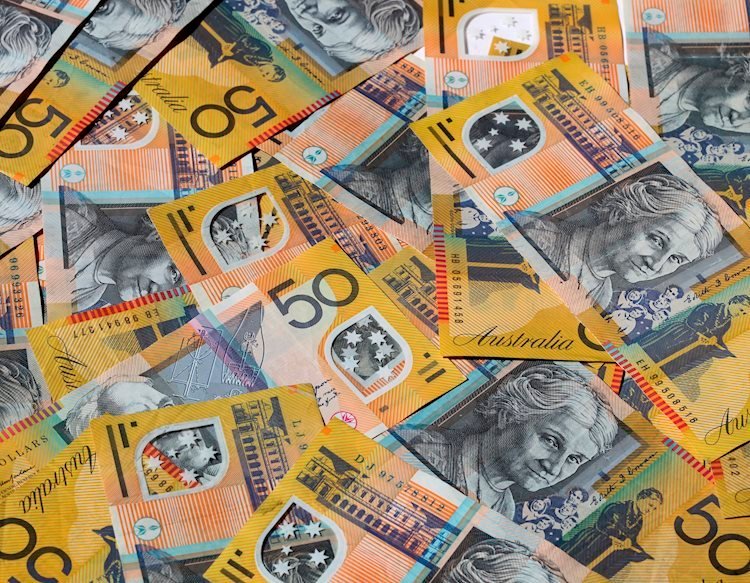
But there’s plenty going on behind the scenes of the humble Australian dollar beyond its use as our national currency. For example, did you know that it’s the fifth most-traded currency in the world, beating out the Swiss franc and China’s renminbi?
This is for a number of reasons, but generally foreign exchange traders love our AUD because Australia is seen as a relatively stable economy with strong trade links to other major developed economies such as China and the US. It’s also viewed as somewhat of a proxy for commodities given our significant ore and coal exports, and with everything going on in the US currently, it can also be seen as a way for some traders to diversify away from Trump.
What’s the problem?
All of this, plus rising interest rates, has helped the Australian dollar hit a three-year high against the US dollar, trading at around 71 cents. While this is a far cry from the heady days of 2011 where the Aussie was worth more than the USD, it’s still pretty good.
Immediately when we hear this news, our minds jump to travel, with a stronger Australian dollar meaning our money can stretch further when we’re overseas. But there are a number of other places where a rising dollar can help us, including for savvy investors.
What you can do about it
So AUD, huh? What is it good for? Quite a lot, really:
- Travel: Let’s get this one out of the way − yes, a rising Australian dollar is absolutely sick for heading off overseas. While the AUD is measured against the US dollar − the world’s dominant reserve currency and the most-traded − it’s also strengthening against a bevy of other currencies in popular travel locations. For example, one Aussie dollar now nets you nearly 110 Japanese yen, up from just 87 in April last year, and it also fetches a whole 60 euro cents. If you’re not ready to jetset just yet, it’s OK; with the RBA expected to raise interest rates further, the Aussie is likely to rise a bit more, or at least stay high. And you can always buy some currency on a travel card if you’re really keen to lock in some savings.
- Cheaper imports and fuel: When companies import products from overseas, they typically purchase them using Australian dollars, with a stronger dollar making them cheaper. “For householders, keep your eyes peeled if you’re in the market for a new car, a fridge, a TV or other substantial purchase,” says People First Bank spokesperson, Stuart Symons. “Similarly, if you have a business it might be advantageous to identify which items come from overseas − does it make sense to stock up, or upgrade, or order that new piece of equipment?” This also extends to purchasing any retail goods from overseas that are priced in a foreign currency, so if you’ve been eyeing off some fancy shoes or an expensive software subscription, now might be the time. In a similar vein because much of our fuel is imported, a strong dollar can lower the cost of fuel, Symons says. All of this also has the happy benefit of lowering inflation, albeit only marginally.
- Bargain shares: For investors keen on purchasing US shares, a stronger dollar can make them cheaper, but it can come with a downside, explains Chris Hill from investment services provider AUSIEX. “A rising Australian dollar can create attractive buying opportunities for investors looking to increase their exposure to international shares,” Hill says. “However, as offshore returns convert back into fewer Australian dollars it’s important to consider how a stronger AUD may affect the value of existing international holdings.” For those keen to avoid those downsides, there are a number of hedged investments available on the market that aim to neutralise the impact of currency movements. Or, if you’d prefer to keep your investments local, a stronger AUD can be a boon for companies such as JB Hi-Fi or Harvey Norman, which purchase a lot of their goods from overseas.
- Debt is cheaper: Finally, though this isn’t something that will apply to everyone, any debt you take on now in US dollars will be cheaper to pay off if the AUD stays high, explains Adam Ahmed, accountant and founder of Entity Accountants. “If you think the Australian dollar is getting stronger, then if you get a margin loan or some other leverage in US dollars now, it will be cheaper to pay off later,” he says. “This is because the Australian dollar value of the loan will be going down as the Australian dollar gets stronger. However, if it goes in reverse, then it makes the loan more expensive to pay off.”
Advice given in this article is general in nature and is not intended to influence readers’ decisions about investing or financial products. They should always seek their own professional advice that takes into account their own personal circumstances before making any financial decisions.
 Dominic Powell is the Money Editor for the Sydney Morning Herald and The Age.Connect via X or email.