The conflict is undermining the credibility of America’s security umbrella in the Gulf. As a result, the war could drain huge sums from these countries’ dollar investments as they redirect investment into defence. High oil prices could significantly reduce demand for the commodity.
‘Challenge for the petrodollar’
The war has brought “a significant challenge for the petrodollar”, Deutsche Bank foreign exchange strategist Mallika Sachdeva warned in a client note this week.
“The conflict could be the catalyst for erosion in petrodollar dominance and the beginnings of the petroyuan,” she says.
“If fault lines are further exposed, there could be significant downstream effects on the dollar’s use in global trade and savings, and the dollar’s role as the world’s reserve currency.”
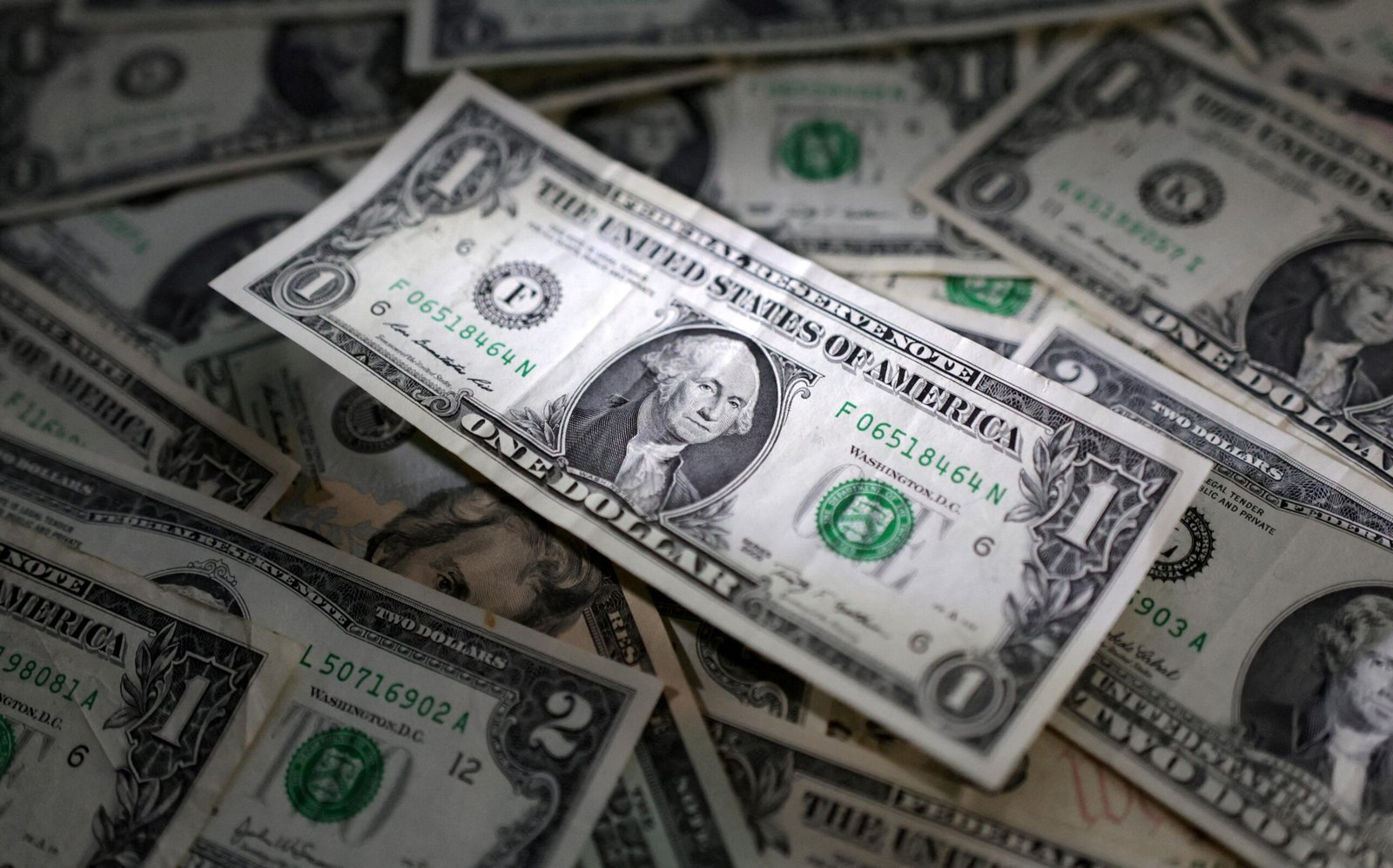
The petrodollar – the fact that the world’s most traded commodity is priced in US dollars – became the status quo after the US and Saudi Arabia signed a landmark agreement in 1974.
Saudi Arabia agreed to sell its oil in dollars and invest its profits in dollar-denominated assets in exchange for American security guarantees. The rest of the Gulf Cooperation Council (GCC) states followed, and the dollar became the norm in the oil market.
Because oil is traded in dollars and is so essential to the global economy, economies have a strong incentive to invest their savings in dollar-denominated assets. Businesses want to save their money in the currency that they need to trade in. Central banks need to build dollar reserves to function as lenders of last resort.
“The world saves in dollars in large part because it pays in dollars. The dollar’s dominance in cross-border trade is arguably built on the petrodollar,” says Sachdeva.
The dominance of the dollar in global trade drives strong foreign demand for US Treasuries, as American government bonds are known, making it relatively cheap for the US government to borrow money.
“The huge strategic importance of the Middle East to the dollar’s role as the world’s reserve currency should not be underestimated,” says Sachdeva.
‘Iran is fighting the global economy’
Trump’s war in the region is challenging the assumptions that underpin the dollar’s dominance. The world began trading oil in dollars because Gulf countries were assured the US would protect them. However, the US-Israeli strikes on Iran have provoked attacks on Middle Eastern nations not involved, from Saudi Arabia to Qatar.
“The current conflict has arguably shaken some core foundations of the petrodollar regime: the security-for-oil-pricing arrangement,” says Sachdeva.
US security guarantees have also done little to stop Iran from blockading the Strait of Hormuz, strangling the Gulf’s oil and gas exports.