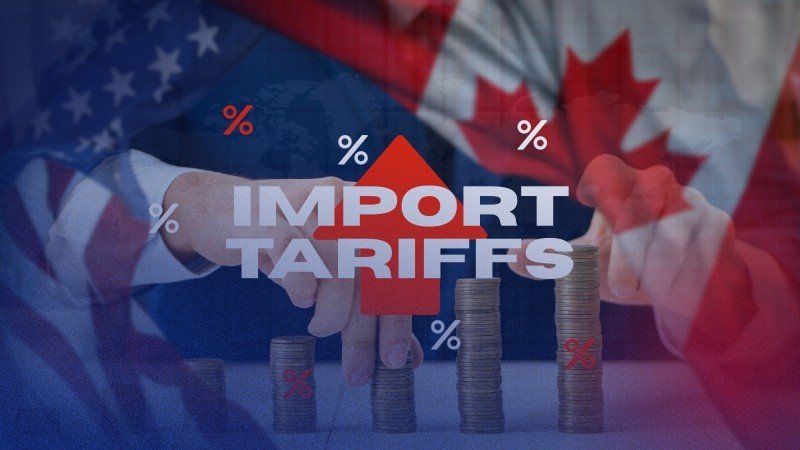
This comes at an unfortunate time for the Canadian economy. After contracting in three out of the past four quarters, a period of trade stability was prompting optimism to return. That will be evident in Friday’s second-quarter GDP release, which is expected to show annualised growth exceeding 3%. Similarly, Canada’s labour market was displaying renewed signs of life, having added 181,100 jobs over the past three months after losing 112,300 in the first four months of the year. An escalation of trade tensions, creating business uncertainty and consumer anxiety about the implications for jobs and inflation, risks stopping these improvements in their tracks.
While tariffs will put up costs, which will add to price pressures, it may also mean some squeeze to corporate profits as the burden is shared. The one bit of positive news is that inflation is currently within the Bank of Canada’s target band, which offers some time for the central bank to assess the growth and inflation implications.
Markets have reduced the pricing around potential Bank of Canada rate hikes – at the start of the week, 63bp of cumulative hikes was priced for April 2027, but today that is only 44bp. The headwinds to growth and the lack of corporate pricing power in the economy amidst labour market slack mean economists are more cautious on rate hikes. The BoC is almost certain to keep policy unchanged next week and through to year-end. We currently have one rate rise pencilled in for 2Q 2027 and a further hike in 4Q 2027, while the consensus is split between one and two hikes for 2027 in total.