LONDON, March 20 : The dollar inched up on Friday but was still headed for a weekly fall as soaring energy prices transformed the outlook for global interest rates, leaving the U.S. Federal Reserve as the only major central bank not expected to raise rates this year.
Before the U.S.-Israeli war on Iran began at the end of February, investors expected two Fed cuts this year. They now believe one is a distant prospect, but the outlook for other major central banks has turned even more hawkish.
The euro, yen, sterling and Swiss franc headed for weekly gains against the dollar as policymakers laid the groundwork for higher interest rates in response to the war in the Middle East, which has choked oil and gas supplies.
EURO, YEN AND STERLING EDGE HIGHER OVER THE WEEK
“The dollar is suffering on the back of surprising overseas hawkishness, but also from some tentative optimism in energy markets,” said ING FX strategist Francesco Pesole.
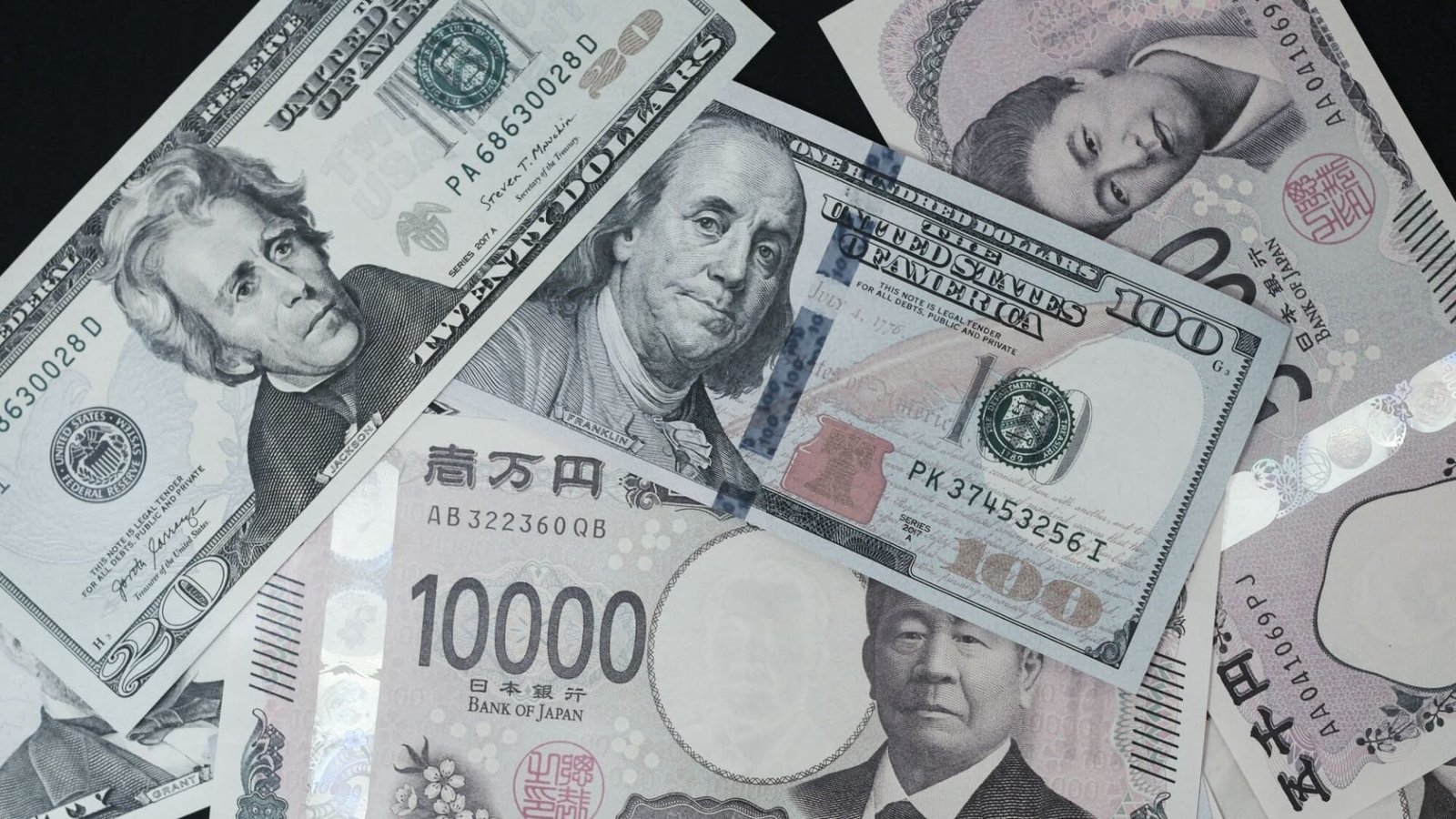
The euro, albeit slightly weaker on Friday at $1.1571, is up 1.4 per cent for the week. The yen, which trades at 158.59 per dollar, has gained 0.7 per cent, and sterling, hovering at $1.3391, is up 1.3 per cent.
Benchmark Brent crude futures are up about 50 per cent since the U.S. and Israel attacked Iran, which has all but closed the Strait of Hormuz and disrupted Middle East energy exports.
EUROPEAN CENTRAL BANK KEEPS RATES ON HOLD
The European Central Bank kept rates on hold on Thursday, but warned of inflation driven by energy prices. Sources told Reuters policymakers are likely to start discussing hikes next month – a contrast with the Fed’s wait-and-see approach.
Investors now fully price in a hike by June, while some major banks think next month’s policy meeting could see them raise rates.
“The balanced and calm message reiterating downside risks to growth and highlighting that long-term inflation expectations remain anchored argues for the ECB to be unchanged in April,” said Kirstine Kundby-Nielsen, FX strategist at Danske Bank.
“But we could see a risk of a rate hike this year if this continues in the Middle East and energy prices continue to rise.”
The Bank of England also kept rates on hold, but set off one of the sharpest routs yet in short-dated gilts by saying it was ready to act.
Markets have priced almost 80 basis points of hikes by the year’s end, implying at least three quarter-point rate rises. Before the war, markets had almost fully priced a rate cut this month.
Earlier on Thursday, the Bank of Japan left the door open to a hike as soon as April, wrongfooting investors who had bet on a further slide in the yen and helping to lift the currency.
The Australian dollar was trading just shy of 71 cents on Friday for a weekly gain of 1.4 per cent, after the Reserve Bank of Australia hiked interest rates for the second time in as many months and investors expect there is more to come.
The Fed left rates on hold as expected earlier this week, but Chair Jerome Powell said it was too soon to know the scope and duration of the economic impact from the war.
Money market traders have scrapped their expectations for rate cuts from the Fed this year, but have yet to price in tighter policy, in contrast with other major central banks.
The dollar index was up about 0.1 per cent on Friday at 99.35 but on track for a 1.1 per cent weekly decline, its largest since late January. Still, many analysts think a prolonged fall is unlikely.
“The longer the war drags on, the higher the U.S. dollar will go, because it will benefit from safe-haven demand arising from higher uncertainty (and) also from the U.S. being an energy exporter,” said Carol Kong, currency strategist at Commonwealth Bank of Australia.
Crude prices were relatively steady on Friday after U.S. President Donald Trump told Israel not to repeat attacks on Iranian energy infrastructure, after a round of tit-for-tat strikes that crippled the world’s largest LNG complex.