Published Fri, Mar 13, 2026 · 07:35 AM
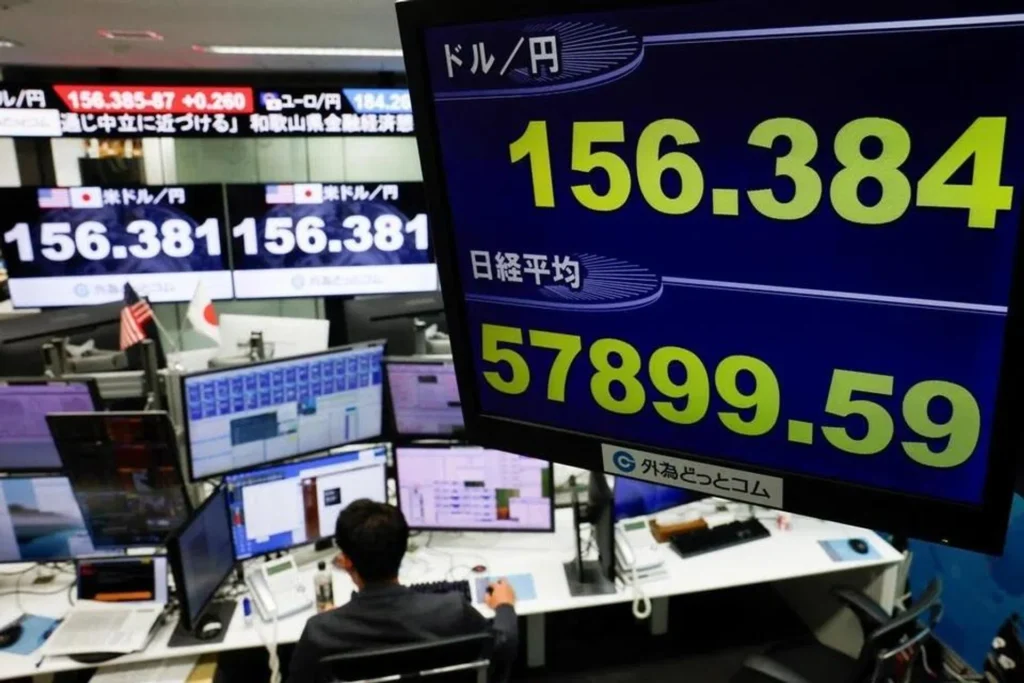
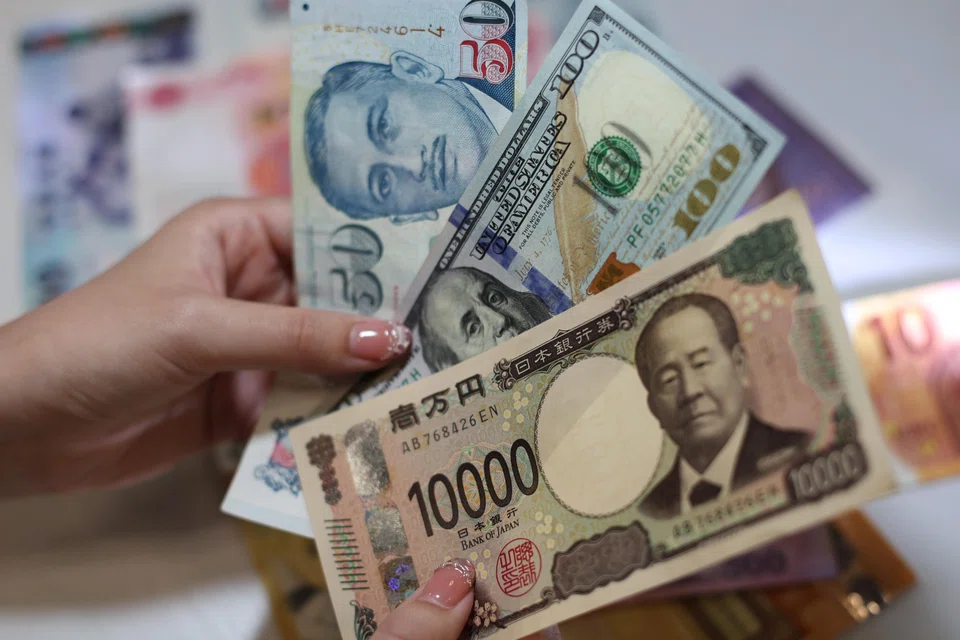
[SINGAPORE] The Japanese yen slid to a fresh low against the Singapore dollar amid turmoil in oil prices linked to the escalating Middle East crisis.
The yen weakened to a low of 124.78 yen per Singdollar on Mar 11, before recovering slightly to about 124.60 on Mar 12.
The Japanese currency, which fell 5.6 per cent against the Singdollar in 2025, has weakened another 2.11 per cent so far in 2026, according to Bloomberg data.
Saktiandi Supaat, head of foreign exchange research at Maybank, said the rise in oil prices as a result of the war in the Middle East is negative for Japan’s currency.
Because Japan relies heavily on imported energy, higher oil prices raise its import bill and lead companies to sell more yen to buy dollars for fuel purchases, putting downward pressure on the currency and allowing currencies such as the Singapore dollar to strengthen against it.
“In past geopolitical episodes such as the Ukraine conflict, we also saw oil-driven shocks weigh on the yen through this channel,” said Saktiandi.
Navigate Asia in
a new global order
Get the insights delivered to your inbox.
Oil prices climbed 9 per cent past US$100 a barrel on Mar 12 after reports of more ships struck in Gulf waters and terminal shutdowns, before paring gains to around US$96.62.
Oil futures rose by more than 4 per cent on Mar 12, signalling that traders expect supply risks from the Middle East conflict to push prices higher over the near term.
The prices rose even after the International Energy Agency agreed to release 400 million barrels of oil, the largest in recent history, in an effort to ease supply disruptions caused by the ongoing conflict.
SEE ALSO

Saktiandi noted that the surge in oil prices is “offsetting” the yen’s usual safe-haven appeal.
“The energy shock is dominating the risk-off effect, which helps explain why the yen has not strengthened despite heightened geopolitical risks.”
Higher US bond yields and widening interest rate gaps between the US and Japan could also draw capital into US-dollar denominated assets and continue to support the greenback.
“As a result, the yen tends to weaken not only against the greenback, but also against other currencies such as the Singapore dollar,” said Saktiandi.
Christopher Wong, foreign exchange strategist at OCBC, noted that higher energy prices could push up Singapore’s inflation, both directly through higher fuel and utilities costs and indirectly through transportation, logistics and supply chains.
While the Monetary Authority of Singapore is unlikely to tighten policy too soon, markets have begun to factor in the possibility that it may do so if these inflation pressures persist, he said.
Wong added that the Singdollar could strengthen further against the yen in the near term, although the Bank of Japan (BOJ) could intervene if the yen weakens too sharply. The BOJ has so far been slower than other central banks in tightening its monetary policy.
The yen could start to strengthen against the Singdollar within the next three to six months, to around 120 to 121 yen per Singdollar, if oil prices ease and the BOJ raises interest rates, he said.
Saktiandi said Singapore’s strong external position, sizeable foreign exchange reserves and reputation as a regional financial safe haven mean the Singdollar often attracts funds when geopolitical tensions rise.
This combination has allowed the Singdollar to remain relatively firm compared with many regional currencies, including the yen.
“Over the next three to six months, we remain somewhat cautious on the yen. As long as oil prices remain elevated and the US dollar stays firm, the yen may struggle to recover meaningfully,” said Saktiandi.
The Japanese currency should gradually recover in six to 12 months, driven by three potential developments, he added.
These comprise rate hikes by the BOJ, some retracement in oil prices if geopolitical risks stabilise, and a softer greenback as global growth moderates and markets start pricing in the potential easing of interest rates by the US Federal Reserve.
This could see the yen strengthening modestly by mid-year, with the exchange rate moving towards 120 yen per Singdollar, said Saktiandi.
However, if global risks ease and the US dollar strengthens later in the year, the yen could come under pressure again.
“In that scenario, the exchange rate may drift back towards around 128 yen per Singapore dollar by end-2026, especially if Singapore’s macro fundamentals continue to support the Singapore dollar,” said Saktiandi.
He added that developments in the Middle East conflict remain a key factor to watch, as oil price movements can significantly affect the yen given Japan’s reliance on imported energy. THE STRAITS TIMES
Decoding Asia newsletter: your guide to navigating Asia in a new global order. Sign up here to get Decoding Asia newsletter. Delivered to your inbox. Free.