How much further will the collapse of Iran’s national currency go?
Discussions regarding the sharp rise in the price of the U.S. dollar and the devaluing currency are dominating public spaces and social media platforms. Two short videos posted on Instagram in recent days have once again drawn users’ attention to the tangible and shocking scale of the rial’s collapse.
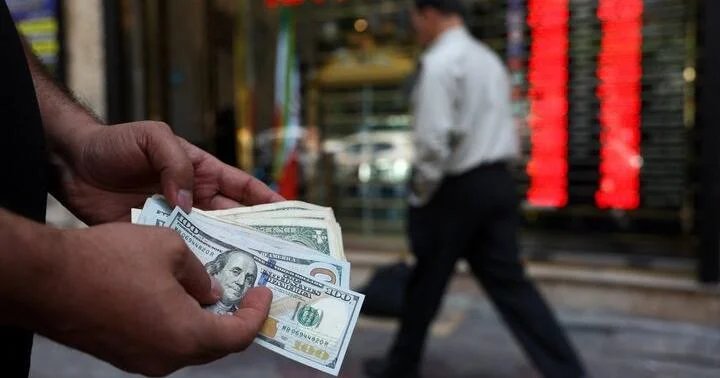
In one Instagram post, a citizen demonstrates how the nominal value of a single tissue paper has exceeded that of a 1,000-toman banknote. This symbolic yet stark comparison illustrates the degradation of the national currency’s purchasing power in its most glaring form. In another video, a massive stack of Iranian banknotes and cash checks is displayed side by side, totaling a value equivalent to a single $100 U.S. bill (over 23 million tomans).
While currency shocks are not new to the Iranian public, the current slump is the most severe on record. The extent and velocity of this currency depreciation, both relative to goods and services and against foreign currencies, are unprecedented in Iran’s recorded economic history since World War II.
Currency Collapse Against Goods (Inflation)
According to official statistics, the general price level rose by over 30% between the beginning of the Persian calendar year and August 2026. Figures for September are expected to reflect an even steeper rise.
A 30% drop in purchasing power within six months means that a basket of basic goods purchased at the start of 2026 now costs 1.3 times as much (30% higher). Essentially, citizens lost one-third of their purchasing power in just half a year. This severe decline places the heaviest burden on wage earners and lower-income families who lack capital assets like real estate, foreign currency, or gold.
Currency Collapse Against Foreign Currencies (Exchange Rate Surge)
The second dimension of this crisis is the crash of the national currency against foreign currencies, particularly the U.S. dollar. Purchasing $100 currently requires over 23 million tomans in cash, a sum requiring a physically massive volume of paper currency.
An examination of exchange rate trends shows that this latest shock began immediately after the breakdown of the Islamabad Framework and the subsequent escalation of military tensions. Following the signing of the Islamabad agreement, the dollar rate retreated from around 170,000 tomans to 156,000 tomans, remaining stable in the 160,000-toman range until June 28 (when IRGC missile strikes on shipping vessels effectively breached the agreement). From that point onward, the exchange rate surged rapidly.

Over the past three months, the price of the dollar increased by 1.5 times. In other words, Iran’s national currency lost at least one-third of its value against foreign currencies following military actions and the collapse of political agreements. This exchange rate jump immediately injected a fresh wave of domestic inflation by driving up import costs for intermediate goods and production inputs.
Future Outlook: Curbing Inflationary Expectations and Structural Imbalances
How far will this downward spiral continue? Unless macroeconomic stability is restored, there is no clear prospect for a recovery in the national currency’s value. Reining in this rapid decline requires two simultaneous conditions:
1- Creating a Clear Horizon and Controlling Inflationary Expectations: Reducing inflationary expectations under current conditions remains difficult. The repeated breakdown of international agreements, official rhetoric on state broadcasting, and declarations by government officials have fostered deep anxiety among the public. Controlling these expectations requires genuine, tangible, and structural changes in the political sphere.
2- Correcting Fiscal and Budgetary Imbalances: Economic realities indicate that total national revenues do not cover state expenditures, particularly within the government budget. Chronic budget deficits serve as the primary engine for money printing and inflation. Resolving this imbalance requires two key steps:
Injecting New Revenue: Unlocking new resources through sanctions relief, the resumption of oil revenues, and the attraction of foreign investment.Controlling Government Spending: Curtailing state expenditures, specifically military spending and specialized institutional allocations, which have consumed the bulk of national financial resources over the past seven to eight years.
Until political and social stability is re-established and structural economic reforms are implemented, the devaluation cycle of the national currency will persist.