The currency also faces capital controls from the Kremlin which banned foreign companies from withdrawing their assets from Russia, requiring them to keep assets in special accounts.
Sofya Donets, an economist at T-Investments, said: “Unlike many emerging-market currencies, the rouble is not facing pressure from capital outflow, caused by global investors’ retreat from riskier assets.
“Capital controls have largely shielded Russia from this.”
The rouble’s rise – despite sweeping Western sanctions against Russia – comes as currencies around the world have surged against the dollar after Mr Trump’s trade war deepened fears of a US recession.
Jamie Dimon, the JP Morgan chief executive, said a recession was the “likely outcome”, while Larry Fink, the BlackRock boss, said the American economy may already be in a contraction.
Traders have increased bets on declines in the US currency later this year, with the gap between the number of so-called call and put options against the dollar dropping to its lowest level since the outbreak of the pandemic in March 2020, according to data compiled by Bloomberg.
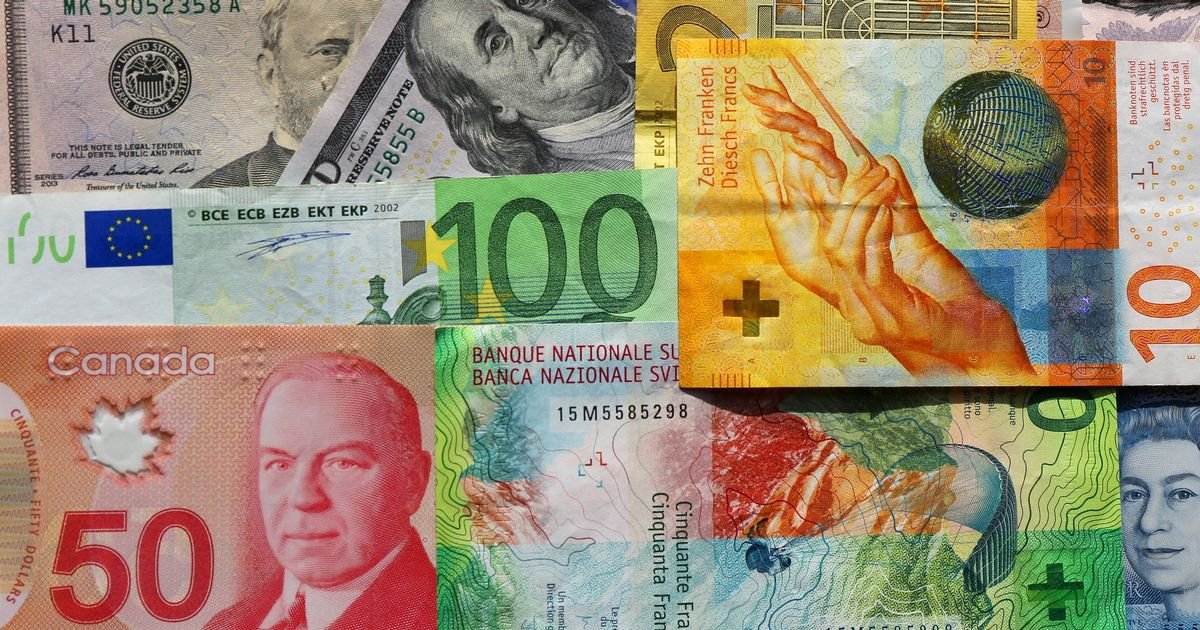
Morgan Stanley, one of Wall Street’s biggest banks, predicted the dollar would continue its plunge against the euro, forecasting the single currency would reach $1.20 before the start of the year.
The euro has gained more than 9pc versus the US currency since the start of the year to more than $1.13. The pound has gained nearly 6pc to more than $1.32.
Investors were spooked by the currency’s drop which coincided with a rise in US Treasury bond yields.
Emmanuel Makonga, an analyst at Barclays, said this was “a bad cocktail, which is reminiscent of the UK budget crisis of 2022”.
However, bond yields have fallen since the US president suspended the worst of his “reciprocal” tariffs last week.
It meant some bosses on Wall Street were keen to play down the dollar’s recent struggles.
Jane Fraser, the Citigroup chief executive, said: “When all is said and done, and longstanding trade imbalances and other structural shifts are behind us, the US will still be the world’s leading economy, and the dollar will remain the reserve currency.”