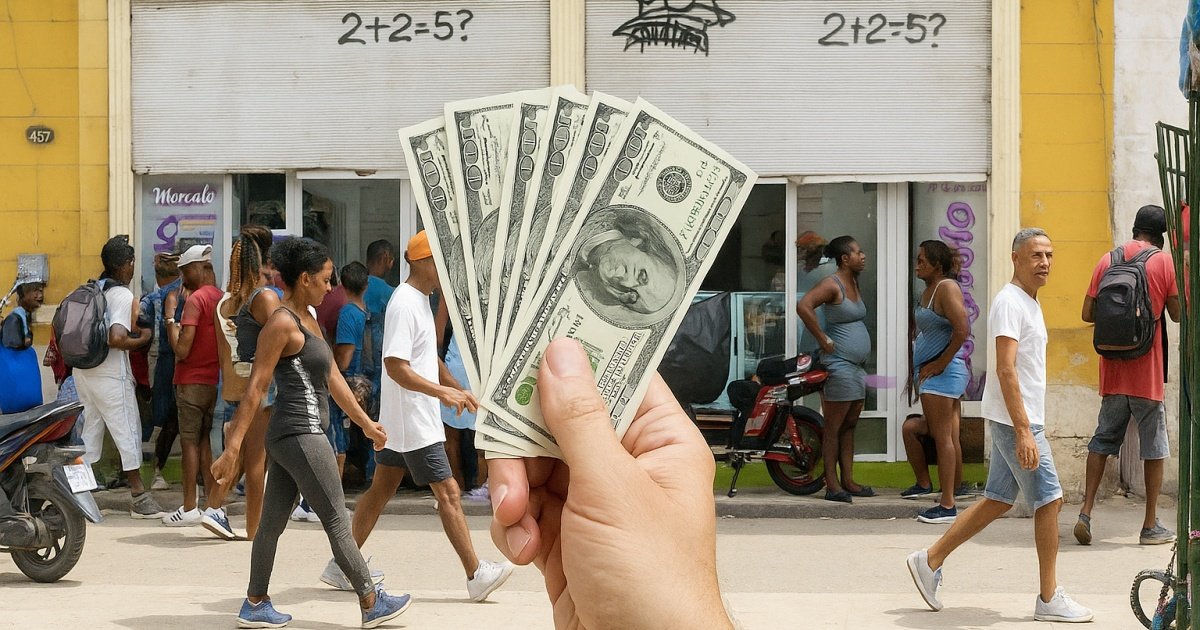
Something fundamental is shifting in global finance. The dollar system that’s anchored markets since 1971 is showing cracks.
Central banks in Russia, China, and Turkey are stockpiling gold at record levels. The Federal Reserve is cutting rates while inflation stays sticky. And major financial institutions are suddenly bullish on currencies that weren’t even on most investors’ radars six months ago.
These aren’t random events. They’re symptoms of a larger transformation playing out in real-time—one that could reshape how wealth is stored, transferred, and protected for decades to come.
Understanding the Global Currency Reset
So what is the global currency reset exactly? It’s not some overnight event where everyone wakes up to new money in their wallets.
A global currency reset refers to a large-scale reordering of the international monetary system. Currencies realign in value. Structural frameworks change. And the rules governing cross-border capital flows get rewritten.
This is different from isolated devaluations or routine market corrections. The reset involves systemic reforms—potentially including central bank digital currencies (CBDCs), expansion of Special Drawing Rights (SDRs), and fundamental reconsideration of debt-based fiat models.
The U.S. dollar currently makes up roughly 60% of global foreign exchange reserves. But mounting debt, inflationary pressure, and geopolitical fragmentation are steadily eroding that dominance.
Where We Stand in Early 2026
No dramatic reset has been officially implemented yet. But the transition is underway through managed decline, de-dollarization initiatives, and CBDC pilot programs rather than sudden systemic overhaul.
J.P. Morgan’s latest outlook assigns a 35% probability to a U.S. or global recession in 2026, with inflation remaining persistent. Their currency desk is bearish on the dollar while favoring the euro—a notable shift from previous years.
Morgan Stanley echoes this sentiment, viewing the USD as historically overvalued. They expect gradual depreciation as the Fed continues easing, with high-carry currencies like the New Zealand dollar and Polish zloty positioned to benefit.
Meanwhile, BRICS nations are accelerating alternatives to dollar-based trade settlement. These aren’t fringe movements anymore—they represent economies comprising over 40% of global population and significant GDP.
The Gold Rush Nobody’s Talking About
Central banks are telegraphing their concerns through actions, not words. Russia, China, and Turkey have been buying gold in volumes not seen in modern history.
Why gold? Because it’s no one’s liability. Unlike fiat currencies, it doesn’t depend on any government’s fiscal discipline or monetary policy credibility.
This institutional flight to physical assets suggests central bankers see risks in the current system that public statements downplay. Smart investors are paying attention.
What’s Actually Driving These Changes
The post-1971 monetary system was built on a specific arrangement. The U.S. would run perpetual trade deficits, supplying the world with dollars. Other nations would recycle those dollars into U.S. Treasury securities and markets.
This arrangement—sometimes called Triffin’s Dilemma—worked until it didn’t. Now it’s unwinding, not through catastrophic collapse but through managed evolution.
Three forces are accelerating the transition:
Debt saturation: Major economies including the U.S. and Japan carry debt-to-GDP ratios that would have been inconceivable a generation ago. Markets are questioning the long-term sustainability.
Geopolitical realignment: Economic power is fragmenting. The days of unipolar monetary dominance are giving way to multipolar alternatives—whether that’s BRICS payment systems, regional trade blocs, or competing reserve assets.
Technological transformation: Digital currencies are moving from experiment to implementation. Central banks now have tools to bypass traditional intermediaries, fundamentally changing how money moves across borders.
Impact Across Asset Classes
Currency volatility creates winners and losers. The gradual dollar depreciation expected through 2026 will ripple through portfolios in ways most investors haven’t considered.
USD-denominated assets face headwinds. U.S. Treasuries and dollar-based equities could experience higher volatility as global capital rebalances. This doesn’t mean abandoning these entirely—it means recognizing the risk and adjusting allocations accordingly.
Real assets are finding favor. Hard assets that hold value independent of any single currency—particularly gold, silver, and certain real estate—are seeing renewed institutional interest. Bitcoin is positioning itself as a digital reserve asset, especially with U.S. stablecoins increasingly linked to Treasury holdings.
Carry trades are back in play. Sophisticated investors are borrowing in depreciating currencies to purchase appreciating real assets. This strategy worked during the 1997 Asian currency crisis and similar past transitions.
The Real Estate Angle
U.S. real estate presents an interesting case. While a declining dollar typically pressures domestic assets, foreign investors see opportunity. Property priced in a weakening currency becomes more affordable in stronger-currency terms.
Additionally, if the Fed continues rate cuts as Morgan Stanley forecasts, mortgage rates could decline further. This creates a window for strategic acquisitions before currency dynamics fully play out.
Strategic Responses for Investors
Diversification isn’t just about spreading investments across stocks and bonds anymore. Geographic and currency diversification has become equally critical.
Investors with portfolios concentrated in single-currency exposure face asymmetric risk. Those with diversified holdings across multiple jurisdictions and currencies are better positioned to weather monetary transitions.
This is where second residency and citizenship programs become more than lifestyle choices—they’re strategic financial tools.
Consider the tactical advantages: Access to banking in stable-currency jurisdictions. Ability to hold assets in multiple legal systems. Tax optimization opportunities that single-residency investors can’t access. And crucially, the flexibility to move capital legally across borders as circumstances change.
Programs like Portugal’s Golden Visa, UAE’s residency initiatives, and select Caribbean citizenship-by-investment options provide exactly these capabilities. For high-net-worth individuals and investors concerned about currency risk, Global Residence Index has helped numerous clients structure residency portfolios that complement their investment strategies during periods of monetary uncertainty.
The firm specializes in matching investment migration programs to specific financial objectives—whether that’s currency diversification, tax efficiency, or positioning for the next phase of the global monetary transition. With a 100% approval rate over nine years and direct relationships with government bodies across multiple jurisdictions, they’ve become the go-to advisors for investors taking currency risk seriously.
What the Next 18 Months Could Bring
Financial markets move gradually, then suddenly. The dollar’s dominance won’t end overnight, but the trajectory is increasingly clear.
Morgan Stanley expects the shift to play out over 9-18 months—long enough that complacent investors will miss the window, fast enough that prepared ones can position advantageously.
Some scenarios gaining credibility among macro strategists include expanded use of SDRs as an interim international reserve asset. Coordinated debt restructuring across major economies. And faster-than-expected CBDC adoption, particularly in emerging markets less wedded to legacy financial infrastructure.
Ray Dalio, the prominent macro investor, has publicly stated he sees turbulence ahead for monetary systems. His fund has been positioning accordingly—increasing gold exposure, diversifying across currencies, and reducing concentration in dollar-denominated assets.
Preparing Without Panicking
The global currency reset isn’t an apocalyptic scenario. It’s a transition—potentially painful for the unprepared, but manageable for those who understand what’s happening.
History shows that monetary transitions create opportunities for those positioned correctly. The end of Bretton Woods in 1971 didn’t destroy wealth; it redistributed it. The same will be true now.
Investors who diversify across currencies, jurisdictions, and asset classes—and who maintain flexibility to adjust as conditions evolve—will navigate this transition successfully. Those who remain anchored to outdated assumptions about dollar permanence face unnecessary risk.
Taking Action
The signals are clear. Central banks are moving. Major financial institutions are repositioning. And the timeline is compressing.
This isn’t about abandoning traditional investments entirely. It’s about building redundancy into your financial structure—multiple currencies, multiple jurisdictions, and assets that maintain value regardless of which monetary system ultimately prevails.
For many investors, that means looking beyond pure financial instruments to strategic residency and citizenship options. These provide the legal framework to hold diversified assets, access multiple banking systems, and preserve wealth across jurisdictional boundaries.
The global currency reset isn’t coming—it’s already underway. The question is whether you’ll be positioned to benefit from the transition or simply caught in the crosscurrents. Smart investors are choosing the former, and they’re taking concrete steps now rather than waiting for perfect clarity that will never come.
Because by the time everyone sees what’s happening, the advantageous positions will already be taken.