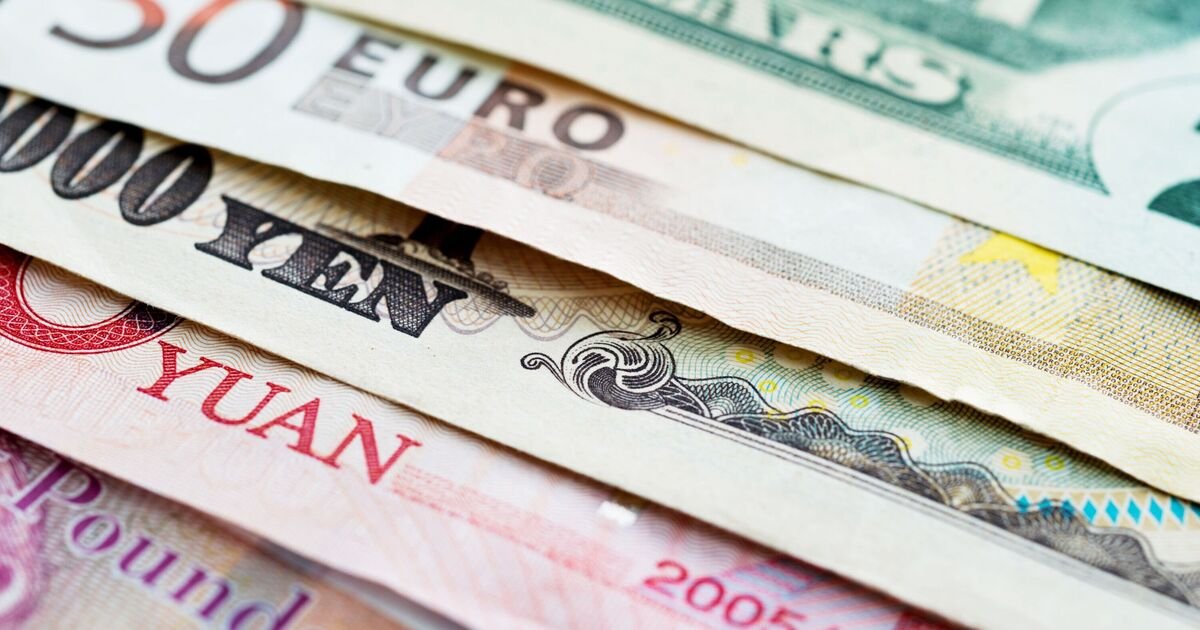
Currency depreciation and devaluation both mean that a currency falls in value. The two terms differ in how and why the currency falls. Currency depreciation is caused by market forces. These are standing differences in supply and demand and changes in inflation, interest rates and investor confidence. It does not involve the government.
Currency is devalued when a government or a central bank consciously decides to reduce the value of a currency. In other words, depreciation is the market’s choice and devaluation is the authorities’ choice.
What Is Currency Depreciation?
Currency depreciation is the decline in the value of a currency relative to another currency. This is typically due to changes in foreign exchange demand and supply. It’s not because the government decides to anticipate a currency ‘decline.’
To make it more simple here is an example: You might find out that 1Dollar used to be sold for 0.92 Euro, but now it is sold only for 0.85 Euro.
What causes a currency to depreciate? High inflation, lower interest rates, trade deficits, political instability. Or, sometimes if international investors think a country’s economy is weak, they’ll start selling that country’s currency.
What Is Currency Devaluation?
Currency devaluation is the intentional lowering of the value of a country’s currency by its government or central bank. Currency devaluation is officially sanctioned, and is mostly used in countries with a fixed or pegged exchange rate.
To make it more simple here is an example: A currency might be fixed at 10 units for 1 Dollar. But then the government lowers the rate to 15 units for 1 Dollar. The basic reason behind currency devaluation is to make a country’s exports cheaper for other countries to buy, which may boost exports and help trade gap up deficits.
Key Difference Between Depreciation and Devaluation
|
Feature |
Currency Depreciation |
Currency Devaluation |
|
Main cause |
Market forces |
Government or central bank decision |
|
Exchange system |
Floating |
Fixed or pegged |
|
Nature |
Market-driven |
Deliberate |
|
Speed |
Can happen continuously |
Usually happens at a specific time |
|
Government action |
Not required |
Required |
Why Do These Changes Matter?
Although depreciation and devaluation are not the same, they both have similar potential to influence prices, trade and the economy.
Both can have several effects, including:
- Export prices are lower: Products from the country cost less to buy in foreign markets. This can increase the sales of local businesses in foreign markets.
- Import prices are higher: Products from other countries are more expensive. This makes foreign purchased goods expensive for local consumers.
- Inflation rate rises: New higher import prices may lead to higher goods and services prices. This can affect the overall inflation rate.
In my easy languguage, Depreciation is caused by market forces, whereas devaluation is a decision by the government or a central bank. It affects trade, prices and business.
First Published: Aug 18, 2026, 13:24 IST