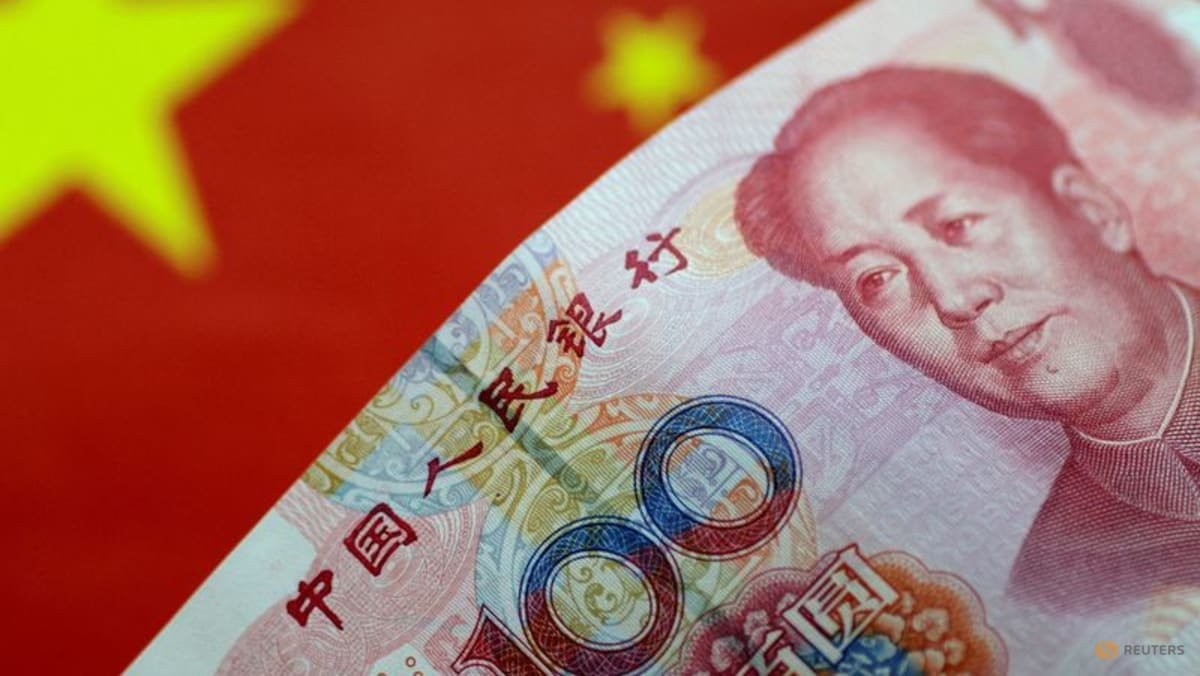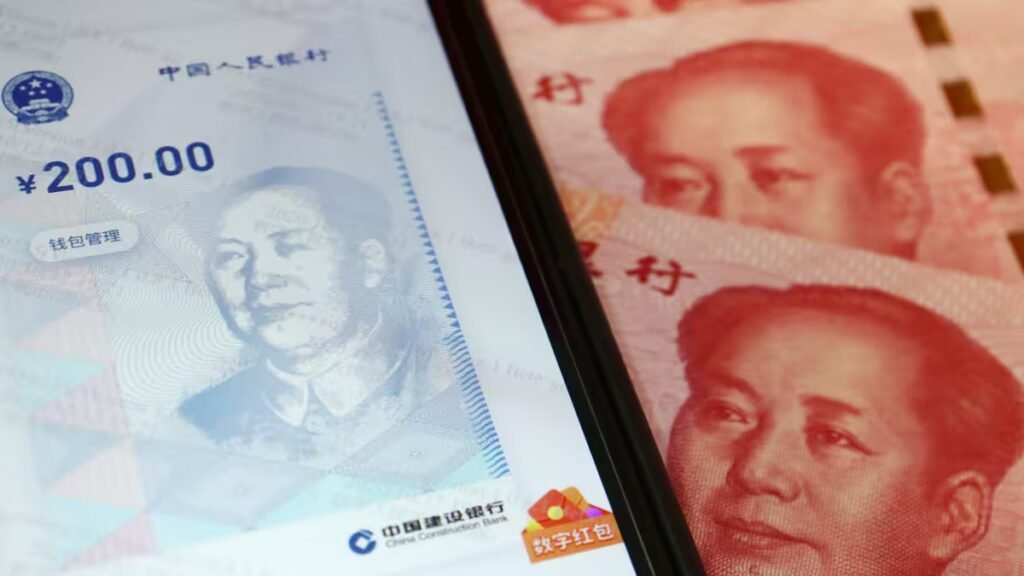
Amid global economic uncertainties, Chinese President Xi Jinping said the country needs to build a ‘strong currency’ and aims to make the Yuan a global reserve currency.
Amid global economic uncertainties, Chinese President
Xi Jinping said the country needs to build a “strong currency” and aims to make the Yuan a global reserve currency. Xi expressed his hopes to make
Yuan widely used in international trade, investment and foreign exchange markets.
The Chinese president laid out his vision in a speech, which was published on Saturday in Qiushi, the ruling Communist Party’s leading theoretical journal. Interestingly, Xi delivered the speech in 2024 to provincial and ministerial officials, sharing his ambition to make China a global financial powerhouse.
Parts of Xi’s past speeches are often reproduced to highlight national goals, and the excerpts were shared amid global economic uncertainties and the rising questions about the reliability of the
US dollar. It is pertinent to note that over the past year, the yuan has generally strengthened against the dollar. However, international investment banks argue that the Chinese currency continues to remain below its long-term fair value.
The timing of it all
The excerpts of the Chinese president’s speech were published over the weekend and outlined what he described as the attributes to become a financial powerhouse, i.e. a strong economic foundation, world-leading economic and technological strength, and a widely used and credible currency.
In his speech, Xi added that a financial powerhouse required a central bank that could implement effective monetary policy and macroprudential management, globally competitive financial institutions, and international financial centres that could attract international capital and exert influence over global pricing.
He insisted that these should be matched by sound regulation, a robust legal framework, as well as a stable pool of financial professionals. Xi noted that while the Chinese economy already ranked among the world’s biggest in terms of banking assets, foreign exchange reserves and capital market size, it remained “big but not strong” overall. Hence, he believed making China a global financial powerhouse would be a long-term task.
For the longest time, Beijing has been pushing for the internationalisation of the yuan over the past decade or so, and the currency has grown in use in China’s international trade settlements. However, the country’s broader global footprint remains limited.
It is important to note that China’s
Cross-Border Interbank Payment System clears an average of roughly 700 billion yuan (US$100 billion) in transactions each day, far below the nearly US$2 trillion cleared daily via the dollar-based Clearing House Interbank Payments System. Yuan-denominated debt issuance in international markets also remains narrow, accounting for just 0.8 per cent of the global market.
Despite this, the yuan has generally remained firm despite trade tensions with the United States. The steadiness is seen as a contrast with the sharp depreciation it saw during Donald Trump’s first term as US president, which fuelled speculation that Beijing tolerated a weaker yuan to cushion the impact of tariffs.
End of Article