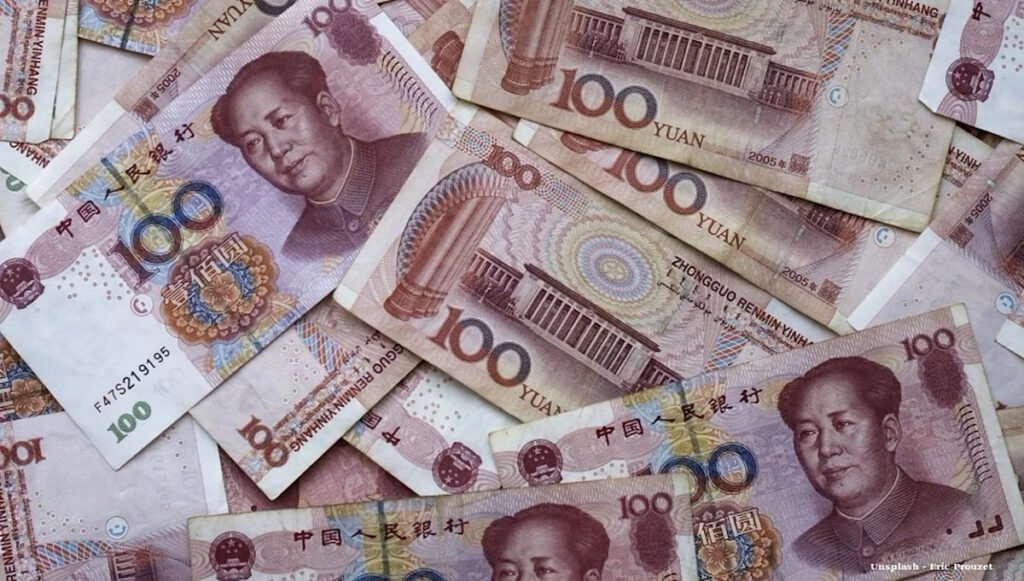
Yuan deposits in Singapore rose 49% y/y to a record CNY337bn ($50.6bn) at end-June, about a third of Hong Kong’s pool.
The MAS-PBC swap that backs the facilities runs to 2027 and offers up to CNY300bn of yuan, less than the deposit pool.
DBS now lets institutional clients mint and redeem Circle’s USDC directly, with round-the-clock settlement.
Singapore says it enforces its own laws, not other countries’ export controls, and is seeking ‘trusted access’ to US chips.
____________________
Singapore will let eligible banks tap central-bank yuan to finance companies’ trade, working capital and investment, in the week Washington blacklisted three Singapore firms over the risk of advanced-chip diversion.
The Monetary Authority of Singapore (MAS) and the People’s Bank of China (PBC) will split the MAS RMB Facility, which draws on their currency swap, into two, MAS said on November 23. A new RMB Corporate Facility will fund eligible banks’ lending for trade with third countries, working capital and capital spending, including intra-group funding, at one, three or six months. An RMB Liquidity Facility keeps the old backstop role. Both will take Singapore government securities and MAS Bills as collateral as well as cash, and Chinese government bonds may follow. MAS gave no figure for any extra funding.
The yuan steps were part of a package of 29 agreements agreed at the 22nd Joint Council for Bilateral Cooperation in Singapore, chaired by Deputy Prime Minister Gan Kim Yong and Chinese Vice Premier Ding Xuexiang. ‘Singapore and China have made tangible progress to strengthen cooperation and markets connectivity,’ said Chee Hong Tat, the national development minister and deputy chairman of MAS.
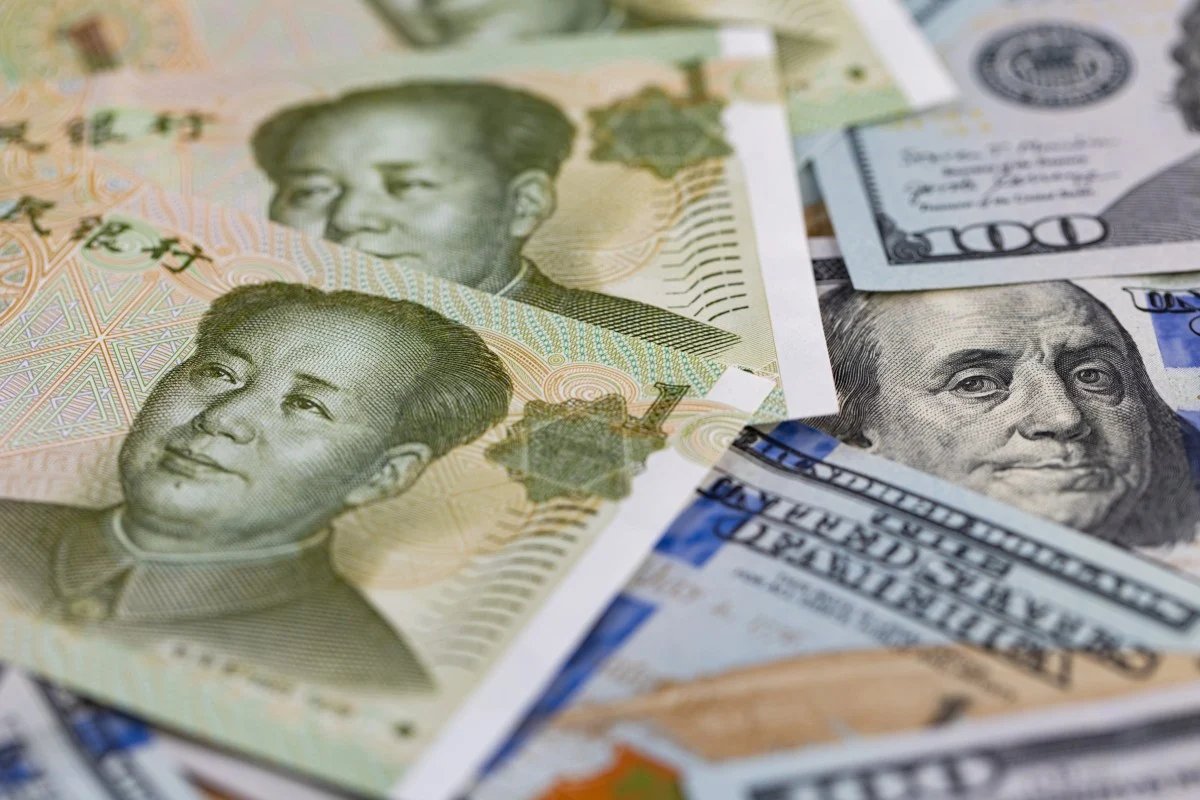
Singapore is building rails for both currencies at the centre of the US-China contest, offering itself as the place where Asian companies can settle in either. It is doing so while Washington treats the city-state’s data-centre trade as a gap in its chip controls, and the government has been careful to say it enforces its own laws, not other countries’.
A record offshore yuan pool
Yuan deposits in Singapore reached a record CNY337bn ($50.6bn) at the end of June, MAS figures show, up 49% from CNY226bn a year earlier and 16% above the end-March level. The figure is preliminary. The previous peak, CNY284bn, was set at end-2025; the pool had sunk to CNY102bn in mid-2020. Hong Kong remains far larger, with CNY1,093.5bn of renminbi deposits at the end of June, according to the Hong Kong Monetary Authority, so Singapore holds about a third as much.
Renminbi deposits in Singapore at the end of each quarter, June 2013 to June 2026, CNY bn. The June 2026 figure is preliminary. Source: Monetary Authority of Singapore. IntelliNews
DBS was named Singapore’s second yuan clearing bank in December 2025, joining ICBC’s Singapore branch, which has held the role since 2013, and it has now started clearing. Bank of China and DBS have signed up clients to trade and hold selected onshore yuan bonds from Singapore. Corporate borrowers are using the market too: Singapore Airlines mandated banks in June for a five-year offshore yuan bond.
Both new facilities rest on the bilateral swap, which MAS and the PBC renewed in July 2022 for five years, to 2027. It makes up to CNY300bn and SGD65bn available. Singapore’s yuan deposits now exceed the yuan side of that line, and the November 23 release said nothing about a renewal.
Digital dollars on the other rail
Five days earlier DBS, Southeast Asia’s largest bank by assets, agreed with Circle, the issuer of the USDC stablecoin, that eligible institutional clients could mint and redeem USDC directly through the bank, with dollar-to-USDC settlement around the clock. The two companies are both in Project Bloom, the MAS scheme for cross-border use of tokenised money, which Malaysia’s and Thailand’s central banks joined in October.
‘We believe the future of financial services will be multi-modal and multi-instrumental, with different forms of tokenised money serving different needs,’ said Evy Theunis, DBS’s head of digital assets for institutional banking.
Chip controls close in
The US Bureau of Industry and Security added seven companies in Malaysia, Singapore and Thailand to its Entity List in a rule filed on November 23 for publication on November 25. The three Singapore names are Apex Enterprise Solutions (Singapore), Megaspeed International and Swiftdata. Exports to them of goods covered by US rules now need a licence that will face a presumption of denial, because of ‘the significant risk of these entities being or becoming involved in the diversion of advanced computing commodities to unauthorised end uses or end users’. A week earlier the bureau said advanced chips bound for Singapore, Malaysia, Thailand, Indonesia and Brazil would need a US licence, to stop Chinese developers renting computing power there.
Singapore’s response has been to study the rules, not to sign up to them. The digital development and trade ministries said they were ‘studying the details of this new measure carefully’ and ‘exploring how to facilitate trusted access for Singapore companies’, The Straits Times reported. Home Affairs Minister K Shanmugam set out the line in a written parliamentary reply in April: ‘Singapore will only investigate and enforce breaches of our own laws.’ Police have been investigating Megaspeed since February 2025 over suspected inaccurate declarations about server purchases, and the Ministry of Home Affairs complained on November 12 of limited US help with the case.
That stance fits a government that told the APEC summit in Shenzhen in November the region should not split into ‘competing economic blocs’. Singapore has widened its yuan business year by year, from a second clearing bank to the new corporate facility, while tying its dollar business to tokenised US money. The 2027 swap renewal and the first licence rulings under the US chip rules will show how much room the US and China leave it to keep doing both.