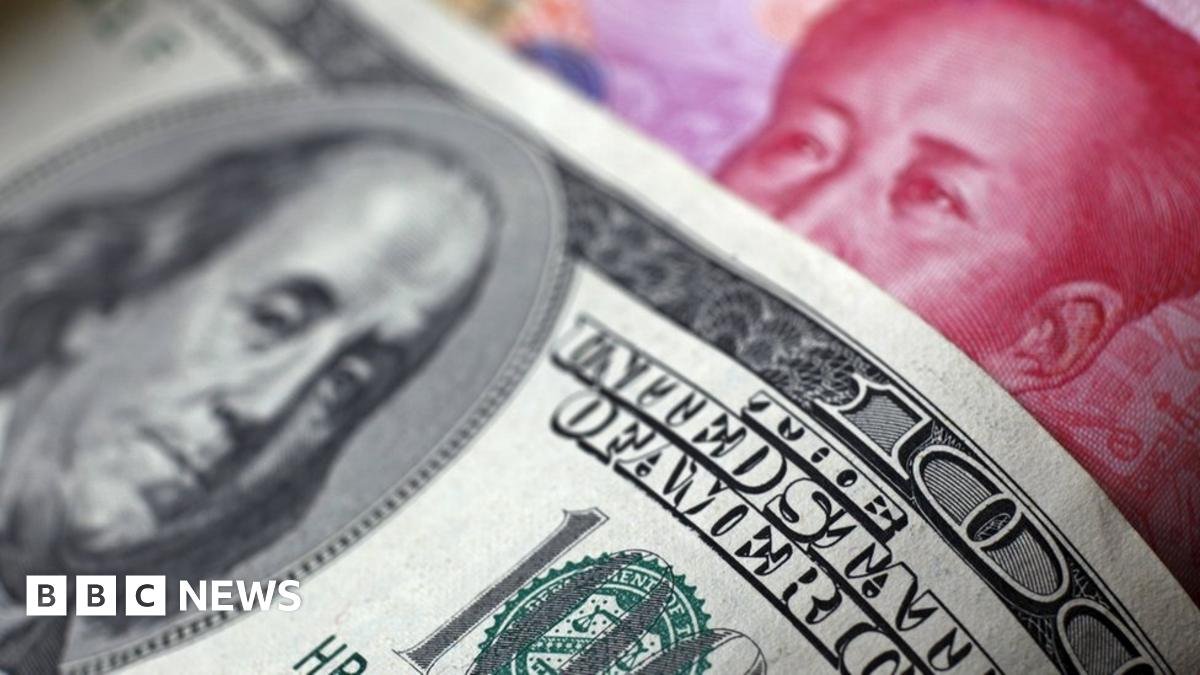



The offshore yuan’s recent decline against the US dollar is likely to be a temporary reaction to thin trading conditions rather than a sign of a broader shift in currency sentiment, according to Investing.com.
The USD/CNH pair rose 0.36% to 6.6925 as of 2.07pm EST on Nov 19, indicating a weaker offshore yuan. However, the pair remained near the lower end of its 52-week range of 6.6422 to 7.1212, reflecting the Chinese currency’s relatively strong position over the past year.
USD/CNH was down 5.97% over the past 12 months, indicating an overall appreciation in the yuan against the dollar. Its gains also held up against broader dollar strength, with the one-week and one-month changes standing at 0.29% and 0.15% respectively.
The latest movement was smaller than declines recorded by other emerging market currencies. The US dollar rose 1.23% against the Mexican peso to 19.0676 and 0.68% against the Brazilian real to 5.9213, while the dollar index edged up 0.05% to 103.838.
Investing.com attributed the yuan’s weakness partly to thin liquidity, noting that the move came without a corresponding increase in onshore trading turnover. This suggested stop-loss orders may have contributed to the decline rather than a fundamental change in market conditions.
Chinese exporters could also provide support when onshore trading resumes, as they typically reduce dollar-selling activity outside local market hours. Their return could increase dollar supply and limit further weakness in the yuan.
Meanwhile, traders have been increasing protection against a potential catch-up decline in the currency following its outperformance during broader dollar strength. However, rising demand for hedging does not necessarily indicate a sustained depreciation trend.
The yuan also remained relatively stable following last week’s Nvidia-related developments, weakening the argument that recent chip-sector headlines were driving its movement.
Investing.com said attempts to link the currency’s decline to Advanced Micro Devices’ (AMD) share price slump were also unconvincing.
AMD shares fell 9.62% to US$479.15 as of 2.07pm EST on Nov 19, following a short-seller report alleging links between the chipmaker and blacklisted Chinese entities. The report also highlighted that more than 20% of AMD’s revenue was billed to China and Hong Kong. The allegations had not been verified and AMD had not responded when the report was published.
A single company’s regulatory concerns were unlikely to drive a currency market with trillions of dollars in daily turnover, with broader risk aversion offering a more plausible explanation for the movement.
The S&P 500 was down 1.62% at 7,204.59, while the CBOE Volatility Index (VIX) rose 12.99% to 27.75, reflecting increased market uncertainty.
Investing.com said deeper risk aversion and further dollar gains could eventually translate into genuine depreciation pressure on the yuan. However, the currency’s position near its 52-week strongest levels and the potential return of exporter dollar-selling flows suggest the latest weakness could be short-lived.
The next indicator to watch is whether onshore trading activity confirms the offshore yuan’s decline.
Investing.com