

Muyu Travel, a social travel platform built around the “travel buddy” concept that raised nearly 200 million yuan (approximately $30.1 million) in cumulative funding, has entered the judicial and investigative phase after its website and app went offline, its headquarters was emptied and employees went unpaid. Multiple sources indicate that founder Ma Liping has been detained by authorities and is under investigation; the lawsuit against her and the company over a loan contract dispute is set to be heard on December 8 at the Shanghai Pudong New Area People’s Court. According to investors, as of November 24, Muyu Travel’s matured unpaid obligations had exceeded 50 million yuan (approximately $7.5 million).
Muyu Travel’s operating entity is Shanghai Shanzhen Culture Media Co., Ltd., with travel operations handled by its subsidiary Shanghai Muyu Travel Agency Co., Ltd. Launched in 2018, the platform matches young users with travel companions by destination, interest and age, and offers group-buying and carpooling, ticket and hotel booking, and community features, monetizing through commissions from “Muyu captain”-led tours and membership subscriptions. Founder Ma Liping is a graduate of Cheung Kong Graduate School of Business and was named to the 2021 Hurun U30 China Entrepreneurship Leaders list and the 2025 Hurun U40 China Entrepreneurship Pioneers list.
Capital once embraced the story. In May 2021, Muyu Travel disclosed a Pre-A round of several tens of millions of yuan, led by Plum Ventures with Tongcheng Capital participating; in November 2023, its A and A+ rounds raised more than 100 million yuan (approximately $15.0 million) combined, with Fucheng Capital as investor. The company’s latest disclosed operating figures claimed more than 20 million registered users, over 3 million paying members, GMV above 1 billion yuan (approximately $150.3 million), and two consecutive years of profitability on an operating basis. In April this year, the company moved into a new headquarters in Shanghai’s Yangpu Binjiang and unveiled a brand strategy calling for 100 offline stores within the year, upgraded in July to a “1,000 stores in three years” program, and in August announced a “10,000 stores in three years” plan.
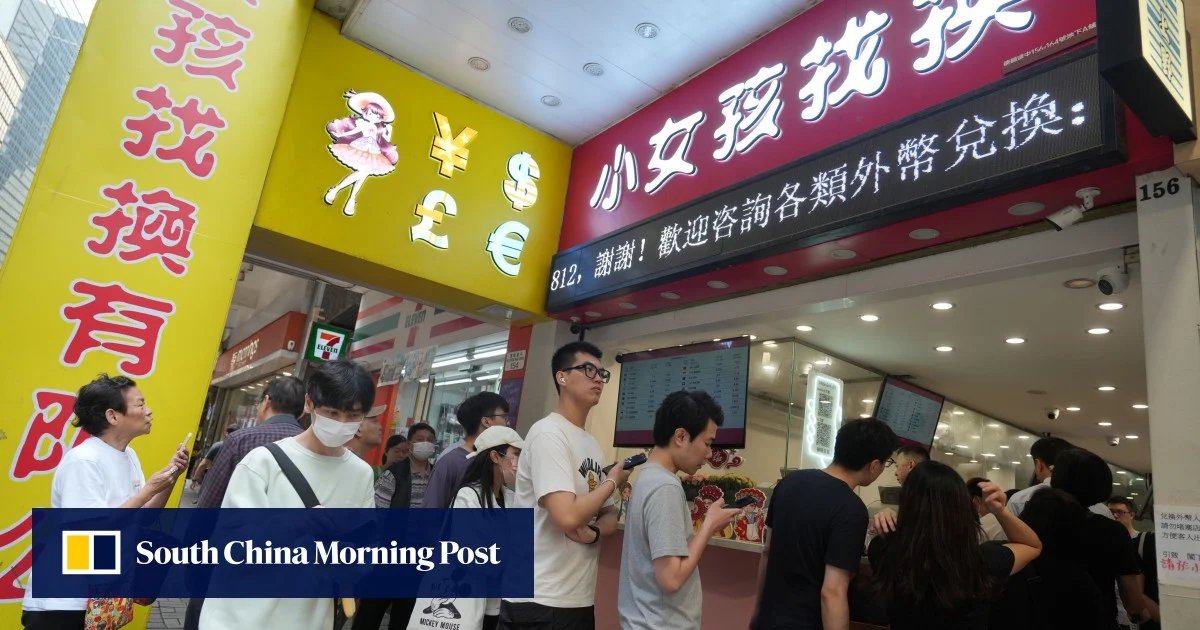
The turning point came between late October and early November. Muyu Travel’s website, app and mini-program became inaccessible one after another, with the app’s last update dated October 19. On November 5, the company issued an official notice saying Ma Liping had resigned as CEO for personal reasons, with her duties handed over to Li Guangcheng, chairman of Shanghai Muyu Travel Agency Co., Ltd.; at a meeting the same day, Li promised to settle overdue labor compensation and resolve social insurance and housing fund issues. But employees never received payment, and the wage arrears have exceeded 1 million yuan (approximately $150,000), with multiple employees jointly filing for labor arbitration. A reporter’s visit found no one working at the company’s Shanghai headquarters, and the Changning Longemont flagship store abruptly closed on November 8, still owing mall rent.
What truly ignited the storm was fundraising unrelated to the core travel business. According to Time Weekly, Ma Liping raised funds from business-school classmates and acquaintances under the names of a “National Day Shanghai–Singapore airline ticket project,” equity buybacks and currency exchange, with the amounts involved reaching 50 million yuan (approximately $7.5 million) and the funds unable to be repaid on schedule. A “Muyu Travel Airline Ticket Cooperation Agreement” shows investors putting in 500,000 yuan (approximately $75,000) to “jointly purchase Shanghai Pudong–Singapore round-trip tickets,” with a contract term of 82 days under which principal is returned at maturity plus a 15% fixed dividend; the agreement lists two companies with Ma Liping as legal representative as payee and guarantor respectively, yet contains no specific information on ticket procurement or sales.
Multiple investors said Ma claimed Muyu Travel had channel advantages that allowed it to lock in low-priced tickets in advance and sell them in peak season for the spread, saying “this project is just a clever way to make money—Trip.com does the same thing, but their returns aren’t as high as ours.” Other investors said the so-called equity buyback project claimed Muyu Travel would be acquired by Trip.com, with old shares sold at a 3 billion yuan (approximately $451 million) valuation and Trip.com buying a 30% stake at a 10 billion yuan (approximately $1.5 billion) valuation, letting investors net 28% in three months—but no equity was ever delivered. Currency-exchange projects were said to use forged US-dollar transfer receipts to delay repayment.
By industry common sense, normal international ticket agency commissions are typically only 1% to 2% of face value, with an additional 2% to 3% rebate for volume. Returning principal plus a 15% dividend over 82 days implies an annualized yield of nearly 67%, clearly far removed from the real profitability of the travel business.
Wang Weiwei, a partner at Beijing Zhongwen Law Firm, said that based on the information disclosed so far, the conduct shows fairly clear signs of illegal fundraising. He noted that even fundraising through business-school classmates and acquaintances cannot simply be ruled out on the basis of whether people know each other; the key is whether the targets of fundraising are unspecified members of the public. If it is verified that projects were fabricated and the true use of funds concealed with the intent of illegal possession, it could constitute the crime of fundraising fraud; if foreign-exchange trading was conducted without a license, it could constitute the crime of illegal business operations, with the specific charge subject to judicial findings.
The fallout from Muyu Travel’s crisis is spreading. Some travelers who had placed orders hold unfulfilled bookings for domestic long-haul and outbound routes and flight-hotel packages, and with customer service unreachable, no one is handling refunds or fulfillment requests; local ground operators, ticketing suppliers and fleet service providers have advanced costs but gone unpaid, with some initiating legal proceedings; and city partners and franchise stores across the country are finding it hard to recover the franchise fees, deposits and renovation investments they paid up front as the headquarters went dark. Business registration information shows that in September this year Ma Liping pledged 8.25 million yuan (approximately $1.2 million) of her equity in Shanzhen Media, and the company’s supervisor is subject to four consumption-restriction orders.
From a business-model perspective, Muyu Travel seized on young people’s real pain point of “who to go with,” but failed to convert social traffic into solid supply-chain capabilities. In the travel industry, profit and bargaining power sit at the resource end—airlines, hotels and the like—and the platform lacked standardized proprietary products and the financial strength to block-book rooms, so scaling up instead amplified its reliance on cash flow. Combined with the industry’s widespread “collect first, fulfill later” payment-cycle feature, any cash squeeze can easily turn into a cycle of borrowing new money to repay old.
The incident deals a blow to the trust underpinning the “buddy economy” sector. At the market level, OTAs such as Trip.com and Fliggy have rolled out 2-to-8-person private tours and small group-buying tours backed by supply chains, while day-rate local guides and companion-photography services are also siphoning demand; for investors, principal-guaranteed high-yield promises plus acquaintance endorsements do not constitute a risk exemption—the verifiability of the funds’ true use and underlying assets is the real basis for judgment. For Muyu Travel’s unpaid employees, investors and travelers holding orders, the December 8 court hearing and the authorities’ investigation conclusions are the most direct source of answers for now.