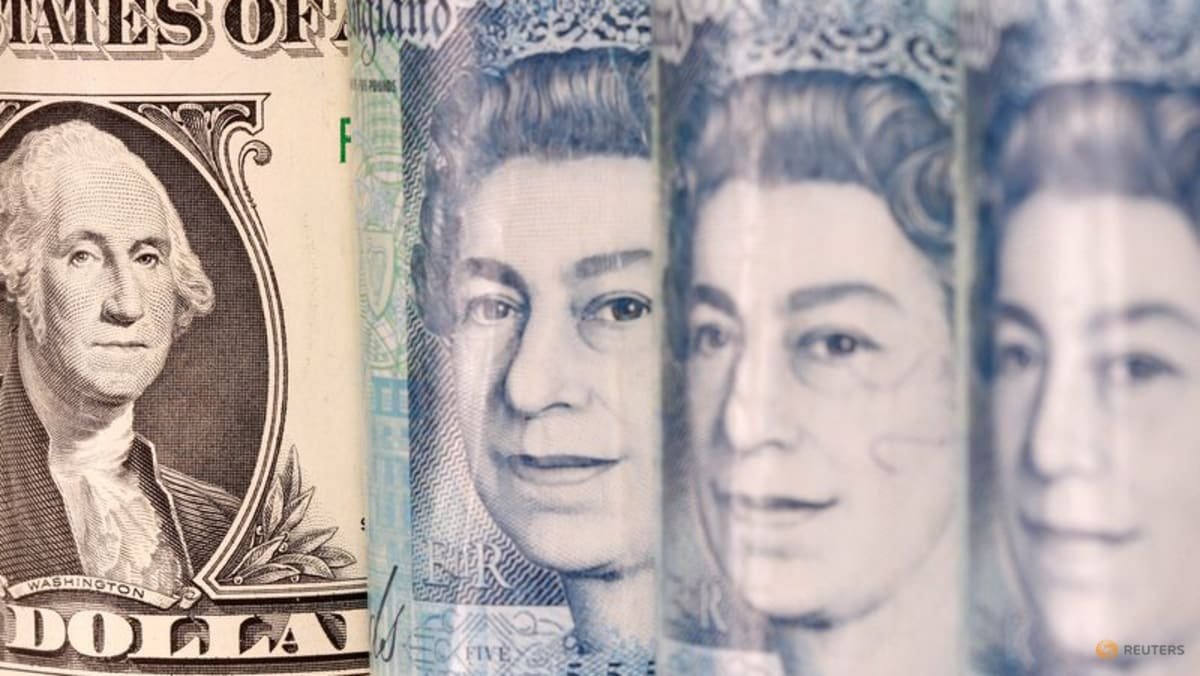

Pound-Dollar could remain under pressure if Fed hike bets stay elevated, although weaker US durable goods orders may offer Sterling some respite.
The Pound US Dollar (GBP/USD) exchange rate fell to a three-month low on Thursday as Federal Reserve interest rate hike bets boosted USD.
At the time of writing, GBP/USD was trading at $1.3226, having bounced off its lowest point of $1.3215 but still down on the day.
Pound to Dollar (GBP/USD): 1.321538 (-0.17%)
Dollar to Yen (USD/JPY): 158.93551 (+0.42%)
DAILY RECAP:
The US Dollar (USD) remained strong on Thursday as markets continued to price in more muscular action from the Federal Reserve to tame inflation.
Hawkish Fed bets were boosted by Wednesday’s forecast-smashing PMI releases, which fuelled beliefs that the American economy may be running hot.
On Thursday, an unexpected decline in initial jobless claims added to Fed hike bets.
Markets now see a greater than 50% chance that the Federal Reserve will deliver 50 basis points of tightening by the end of the year.
Meanwhile, the Pound (GBP) struggled as Fed rate hike bets triggered turmoil in global bond markets.
This raised concerns about the UK’s tough fiscal position ahead of the Autumn Budget, amid reports that the Treasury will look to reduce its fiscal headroom to avoid raising taxes.
Additionally, weaker-than-expected figures from the Confederation of British Industry (CBI) weighed slightly on the Pound, although the impact was limited.
Near-Term GBP/USD Forecast: US Durable Goods Orders to Dent the Dollar?
Looking forward, Friday brings the latest US durable goods orders figures. An expected contraction in August could dent USD.
However, the ‘Greenback’ could remain supported if hawkish Federal Reserve interest rate bets continue to boost USD demand.
In addition, market risk appetite could influence the GBP/USD pairing, with the safe-haven US Dollar potentially drawing support from a risk-off mood. Geopolitical tensions and worries about higher global borrowing costs could dampen risk appetite and support the American Dollar.
Meanwhile, a lack of UK economic data means Sterling may also be primarily influenced by wider market trends, including risk sentiment, bond market movements, and domestic headlines.
Our currency coverage draws on live market data, official economic releases and published bank research.