

Bank of England data shows that when Sterling was measured against 18 of the world’s top currencies this week, it was recorded that it reached its joint highest level since the June 2016 Brexit referendum.
| Updated: 9h ago

Picture:
Yorkshire Pics/Alamy
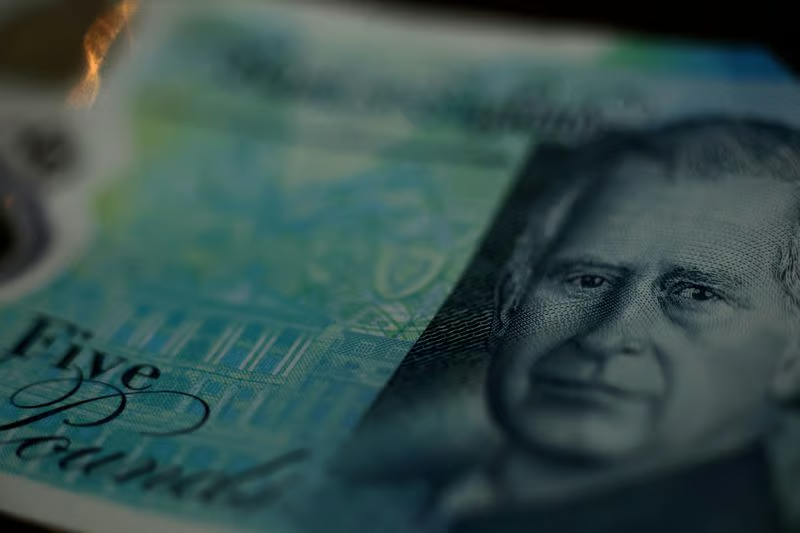
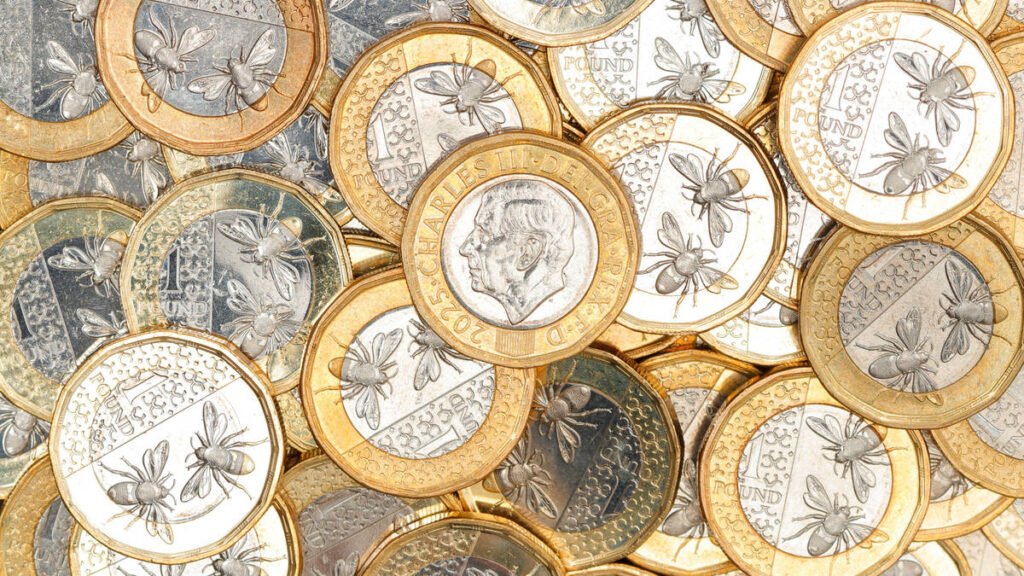
The pound has risen to its highest level since the Brexit referendum 10 years ago.
The British pound has spiked notably in recent weeks against the euro and the dollar as traders prepare for a rise in interest rates.
Bank of England data shows that when Sterling was measured against 18 of the world’s top currencies this week, it was recorded that it reached its joint highest level since the June 2016 referendum.
Its value hit 86.4 on an index where 100 equals the value in 2005.
The calculation is set to be officially confirmed by the Bank on Thursday.
Read more: BT sheds nearly another 8,000 jobs as cost-cutting helps boost earnings
The value of the pound dropped notably after the Brexit referendum in 2016, and faced further declines during Brexit negotiations, the Covid pandemic and the mini-Budget of 2022.
Some industry insiders have said Britain is being conceived of differently due to recent political stability, solid growth and increasingly amicable ties with the European Union.
In the decade following 2016, the pound has responded despite Brexit developments and political instability.
A stronger national currency can help reduce the impact of inflation and improve consumer spending power on imports and trips away.

Picture:
Leon Neal/Getty
So far this year, UK growth has outperformed forecasted benchmarks – but there are indications that the ongoing difficulties with energy and fuel prices may have affected consumer confidence.
This comes as the Bank of England looks set to hike interest rates to 4% to tackle rising inflation.
The move comes as part of a bid to tackle rising levels of inflation in the UK economy.
Traders in the financial markets are predicting that rates will increase to 4% from 3.75% when the Bank’s Monetary Policy Committee (MPC) announces its next decision on Thursday.