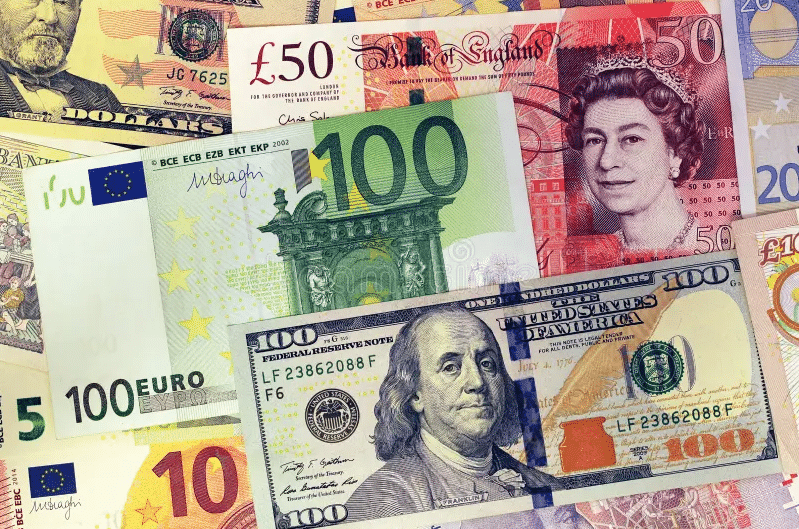
- GBPEUR’s upward momentum stalled as BoE and ECB monitary policy divergence narrowed, amid cooling UK economic growth data
- Analysts project near-term range-bound trading in the 1.1700-1.1800 band to the upside with potential downside risks to 1.1550 if UK growth figures continue to shrink.
- BoE and ECB will make key policy statements in September, and those will define the GBPEUR pair’s trajectory in the medium-term
GBPEUR was on a roll and hit a 52-week high just weeks ago, reaching close to 1.1823 mid- July. This was due to a period where the pound was strong, largely because of interest rate differences between the Bank of England (BoE) and European Central Bank (ECB). But since late July, the pair has had trouble staying above 1.1720 and is now trading around 1.16.
The upward momentum that carried it higher has faded, leaving investors asking what is capping further advances and how the cross is likely to behave in the weeks ahead.
What’s Holding the Sterling Back Against the Euro?
For much of the last year, the market believed the BoE would cut interest rates faster than the ECB, which usually weakens the pound. This didn’t happen as traders anticipated, and the opposite has been quite significant.
The BoE left its Bank Rate unchanged at 3.75% on 30 July, with six members voting to hold and three pushing for a hike.
Sterling’s surge earlier in the year was driven by the yield advantage offered by the Bank of England’s base rate compared to the European Central Bank’s policy rates. However, much of this policy gap is now fully priced into current exchange rates.
Meanwhile, UK economic data has started to show signs of slowing down. This has lowered expectations for more rate hikes and increased worries about inflation remaining high. Analysts from Crédit Agricole and ING have pointed out that the pound’s earlier gains were more due to investor positioning, interest earned from holding the currency, and temporary money flows, rather than a solid improvement in the UK’s economic growth prospects.
Weakness in domestic economic activity and the ongoing impact of higher energy prices also make it harder to argue for a continued strong performance by the pound.
What’s happening in the Eurozone also plays a role. Even though inflation in the economic block has eased in some areas, any sign that the ECB might become more hawkish again or if growth in continental Europe holds up better could boost the euro against the pound.

GBP/EUR Outlook: Expect Range-Bound Trading For Now
The GBP/EUR currency pair is expected to remain within a defined trading range, with no immediate indication of a sustained upward trend. The 1.1720 level has consistently acted as a resistance point since late July.
This barrier is likely to persist until a meaningful shift in monetary policy occurs, with one central bank adopting a more aggressive stance than the other. Current trading patterns suggest that the pair finds support within the 1.1550 to 1.1650 range.
Data releases will primarily move the market, especially UK inflation, growth, and labor figures. If UK data comes in stronger than expected, it could briefly revive the yield narrative and push the pair higher. Softer data, or a more hawkish ECB, would just reinforce that recent ceiling.
The BoE’s next policy decision is scheduled for September 17, 2026. Meanwhile, the ECB’s September meeting will incorporate updated economic projections, which often introduce volatility for this currency pair.
An unexpected hawkish signal from the BoE could lead to a breakout above 1.1720. However, a dovish policy shift or a more proactive approach by the ECB could result in the GBP/EUR pair retreating towards the 1.1550 area.
Until the pair demonstrates a clear and significant move beyond 1.1720 or 1.1550, supported by substantial trading volume, it is advisable to treat it as trading within a range. In such a market environment, strategies that capitalize on price reversals at the extremes of the range may prove more effective than attempting to predict breakouts.
Narrowing rate differentials, UK fiscal risks and softer growth signals capped further sterling gains against the euro after the mid-year peak.
UK inflation, GDP and labour figures, alongside ECB signals, remain the key catalysts for shifts in the pair’s momentum.
Expect range-bound trading or mild sterling softness, with resistance near 1.1750 and data releases driving short-term direction.