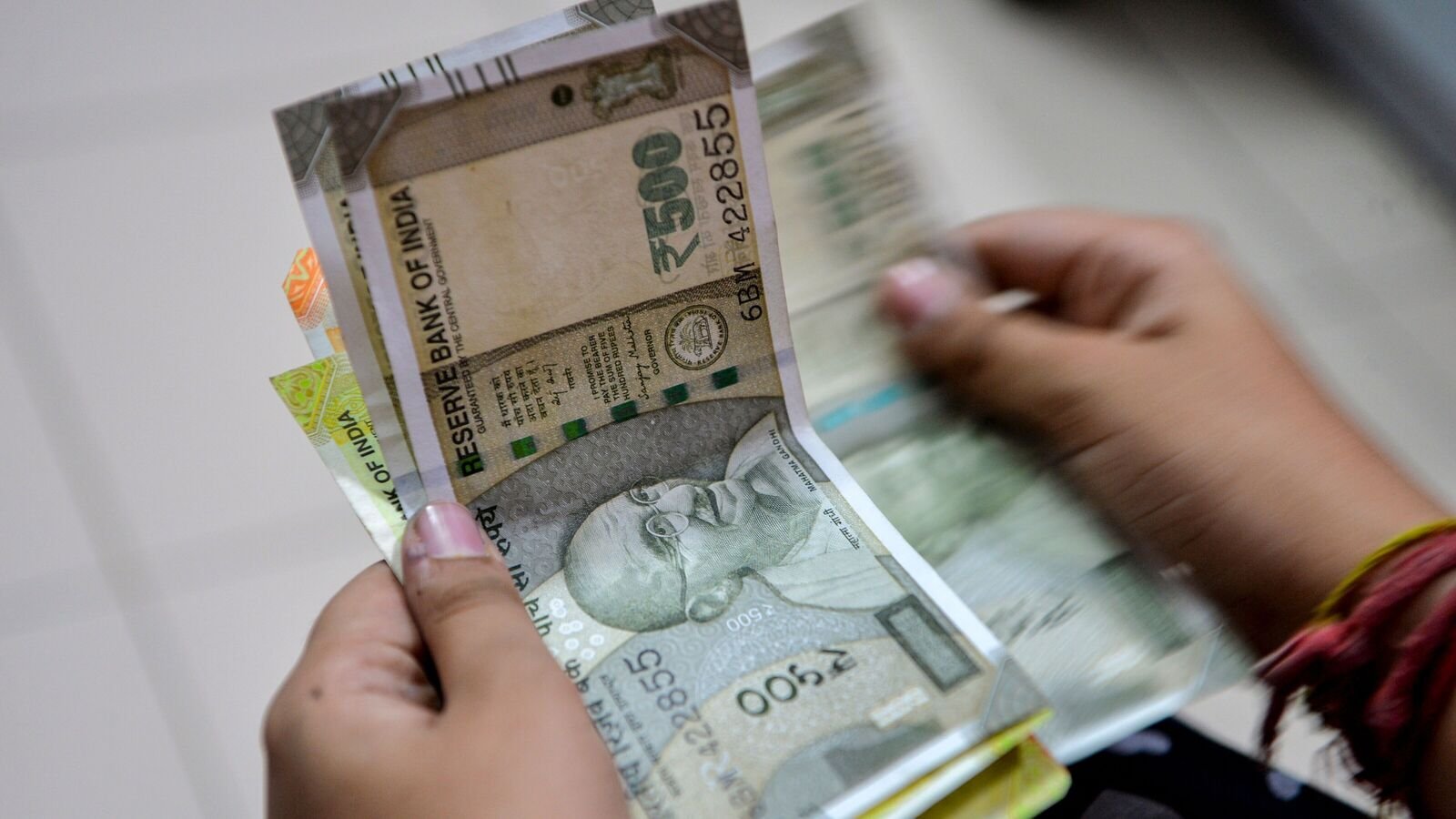
The Reserve Bank of India is believed to have intervened in the foreign exchange market again as geopolitical tensions and a stronger dollar keep the rupee under pressure. Here’s why the central bank is defending the currency and what it means for the economy.
The Reserve Bank of India (RBI) is likely to continue intervening in the foreign exchange market to curb excessive volatility in the rupee, according to traders. While the central bank does not target a specific exchange rate, it often steps in to prevent disorderly market movements. Here are five factors driving expectations of RBI intervention.
1. Rising geopolitical tensions
Escalating tensions in the West Asia have boosted demand for safe-haven assets, particularly the US dollar. As investors move away from riskier emerging market assets, currencies like the rupee typically come under pressure.
2. Stronger US dollar
A resilient US dollar, supported by global risk aversion and expectations around US monetary policy, has weighed on most emerging market currencies. A stronger greenback makes it harder for the rupee to hold its ground without central bank support.
3. Rupee near record lows
The Indian currency has remained close to its weakest-ever levels after falling sharply in late July. Traders believe the RBI is keen to prevent a rapid slide and anchor market expectations through timely intervention.
4. Containing imported inflation
A weaker rupee increases the cost of imports, especially crude oil, natural gas, electronics and industrial inputs. Higher import costs can spill over into inflation, making it important for the RBI to smooth excessive currency depreciation.
 More from World
5. Maintaining orderly market conditions
The RBI’s stated approach is to curb excessive volatility rather than defend a fixed exchange rate. By selling dollars through state-run banks and buying rupees, the central bank aims to ensure that currency movements remain orderly and are driven by economic fundamentals rather than speculative activity.
What does RBI intervention involve?
The RBI typically sells US dollars from its foreign exchange reserves while buying rupees. This increases the supply of dollars in the market and supports the domestic currency, helping limit sharp swings in the exchange rate.
What investors should watch
Going forward, the trajectory of the rupee will depend on global geopolitical developments, crude oil prices, the US dollar’s strength, foreign capital flows and any further RBI intervention in the forex market.